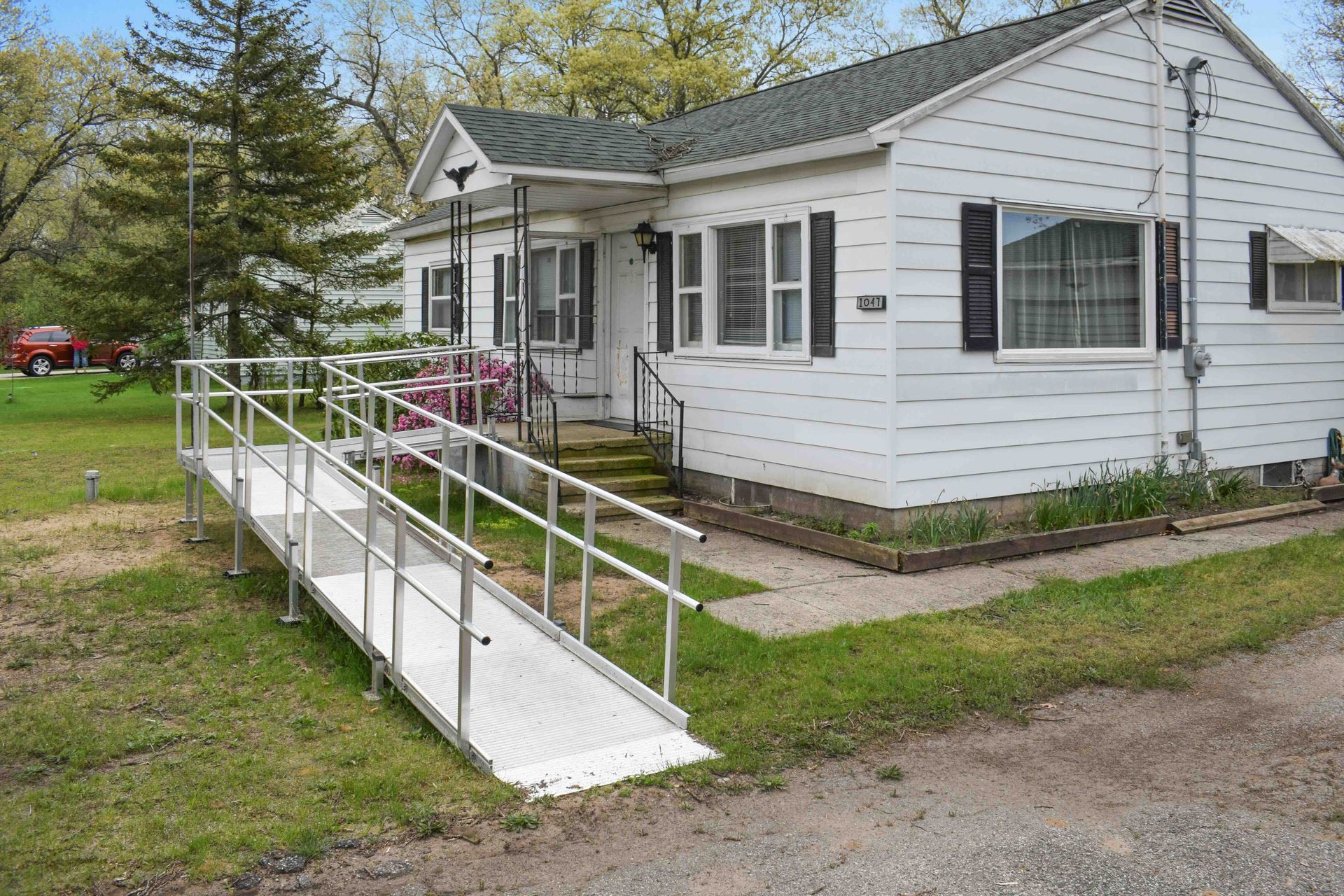
When permanent home modifications are worth it
Sometimes a ramp is only one part of a comprehensive accessibility plan. As your needs evolve, you may find that investing in a variety of home upgrades creates a safer, more accessible environment.
You may also need to consider the following additions:
- Grab bars for bathroom safety
- Stair lifts for multi-level homes
- Widened doorways for easier navigation
- Threshold ramps to smooth out uneven transitions at entryways
- Better entry lighting
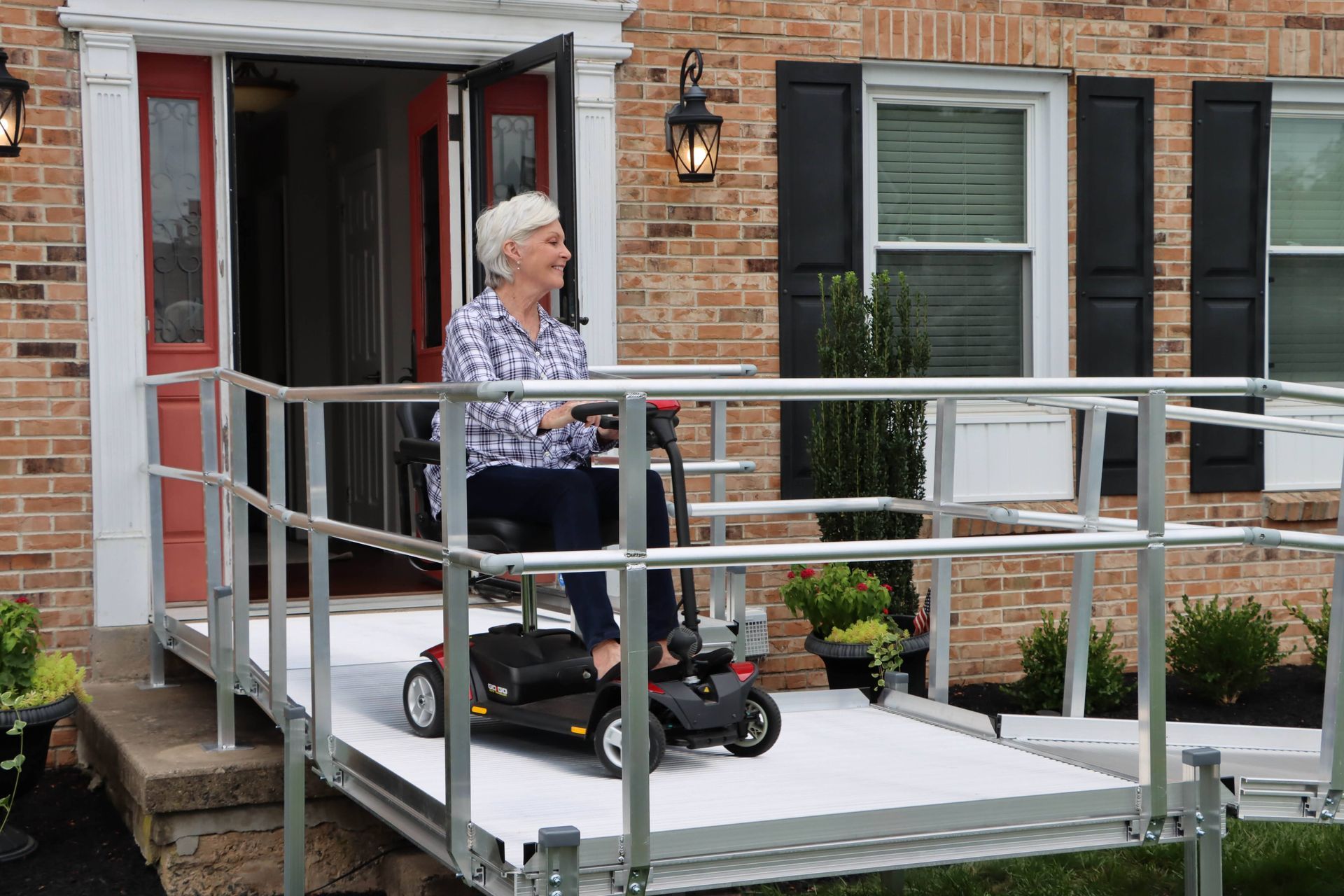
- Mobility scooter ramps for versatile access
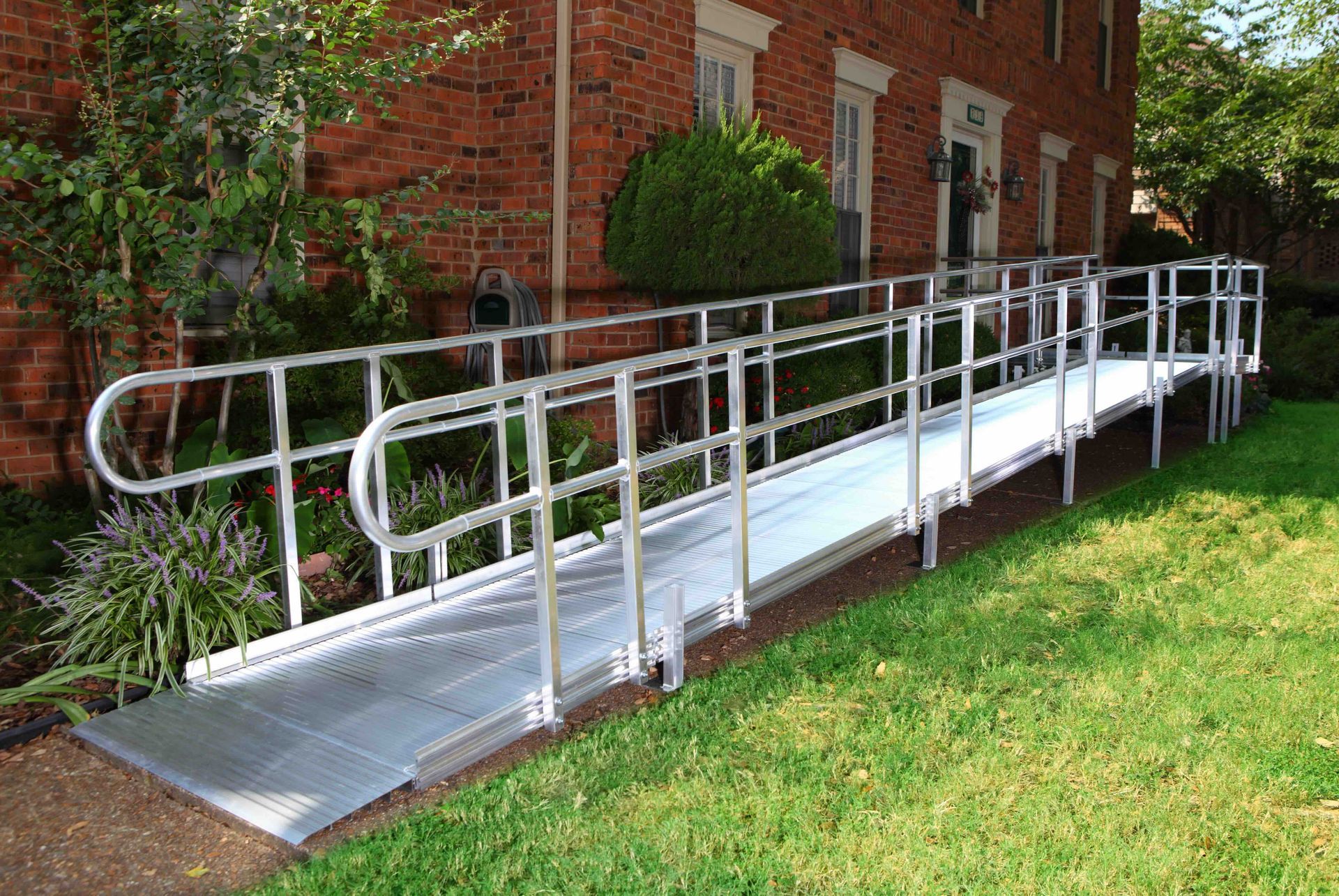
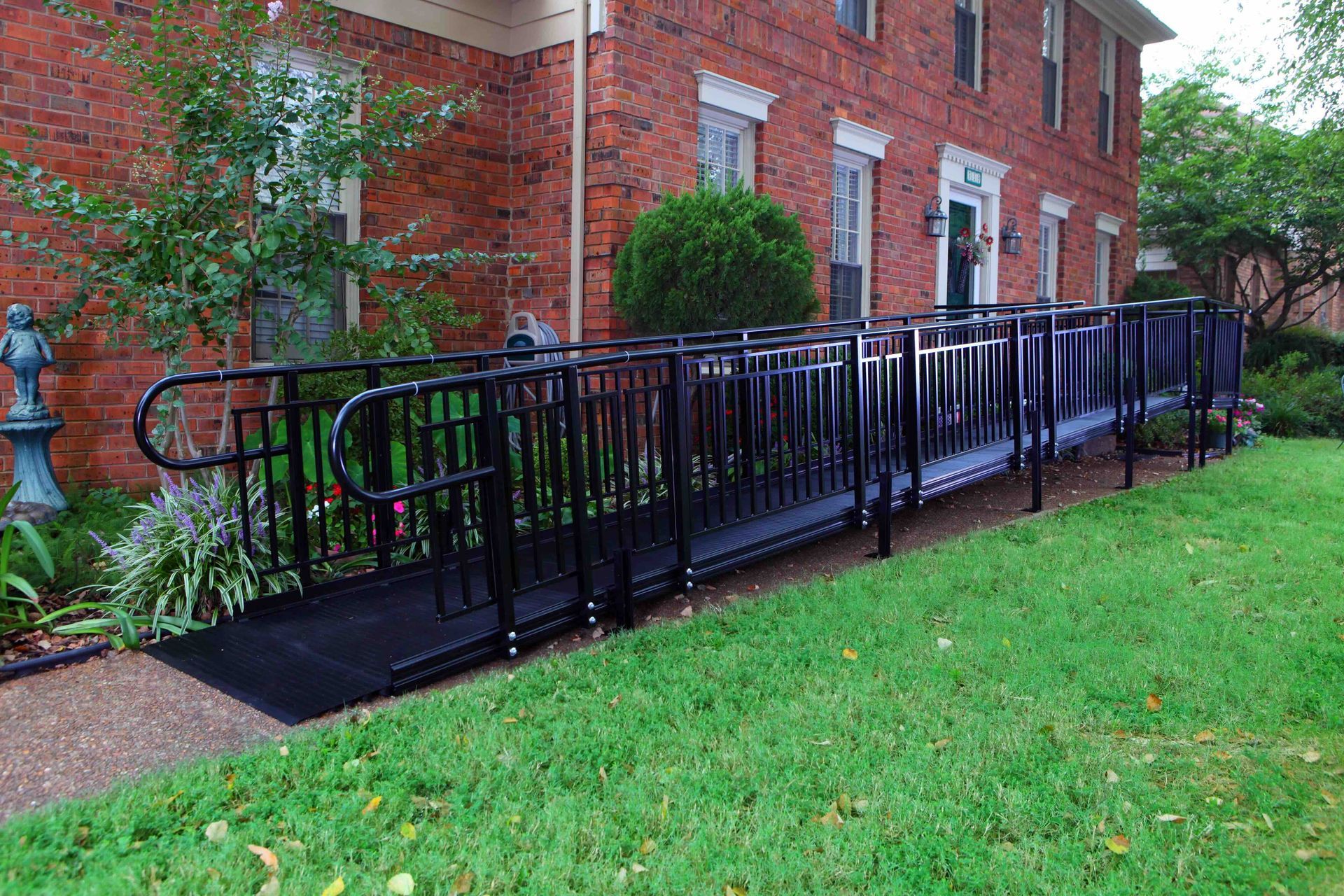
When you are planning a full accessibility update, buying a permanent ramp is usually the smarter move because it becomes a seamless part of your larger home improvement project.
What to check before you decide
Before you commit to a rental or purchase, you must ensure the ramp fits both your home layout and your specific mobility needs.
Taking the time to schedule an in-home consultation can help you get the measurements right the first time. Whether you choose a formal home assessment or a professional evaluation, having an expert look at your property ensures that your ramp is safe, accessible, and properly configured for your entrance.
Will the ramp fit your space and entrance?
Measure:
- The height of the rise
- The doorway width
- The porch or landing size
- The space at the top and bottom of the ramp
You need enough room for safe movement, turning, and door access. If space is tight, portable wheelchair ramps or rubber threshold ramps may be a better fit than a full modular setup.
For smaller interior or exterior transitions, installing rubber threshold ramps can help reduce trip hazards and make entry significantly easier.
When evaluating your space, also consider outdoor conditions. Proper drainage, weather exposure, and the inclusion of an anti-slip surface are all essential features to check during the measurement phase to ensure long-term safety.
Does the ramp meet safety and weight needs?
A ramp must be properly matched to both your home and the mobility device using it. When evaluating your options, always check the following requirements:
- Weight capacity
- Slope
- Surface traction
- Railings, if needed
- Stability at the landing
Adhering to the industry standard 1:12 slope ratio ensures that the ramp is comfortable and easy to navigate. By carefully calculating the total weight capacity of your equipment and ensuring the installation follows this 1:12 slope ratio, you create an ADA-compliant ramp that provides the highest level of safety for users.
If your specific home configuration is complex, professional installation is the most reliable way to ensure your ramp is secure and ready for daily use.
What extra costs should you expect?
The final wheelchair ramp cost involves more than just the price of the ramp itself. To get an accurate picture of your budget, you must account for all associated fees to avoid surprises during your rental period or purchase process.
If you decide to rent, ask about:
- Delivery fees
- Set-up and installation charges
- Pickup costs
- Security deposits
- Rental duration terms
- Potential extension fees
If you decide to buy, ask about:
- Professional installation services
- Building permits and inspections
- Ongoing maintenance requirements
- Future repair costs
Requesting a written quote helps you compare the real total before you make a final decision. In many cases, renting is a practical choice for short-term needs, while buying becomes the better financial value if you anticipate needing the ramp for more than six months.
The purchase of residential wheelchair ramps may qualify as a tax-deductible medical expense if the modification is required for medical necessity. Because tax laws can be complex and vary by situation, it is highly recommended that you consult with a tax professional or accountant to determine if your specific installation, including professional installation, qualifies for deductions under current guidelines.
Renting typically involves a lower initial investment, which is ideal for short-term needs, though costs can accumulate if the rental period extends beyond a few months. Purchasing a ramp requires a larger upfront payment but is generally more cost-effective for long-term use because it eliminates recurring monthly rental fees. Comparing these two options involves weighing your specific timeline against the total cost of ownership versus the flexibility of a rental agreement.
The cost difference depends primarily on how long you intend to use the equipment. Renting typically requires a lower initial investment, whereas purchasing a ramp involves a larger upfront payment but is generally more cost-effective if you need the solution for six months or longer.
Rental prices vary significantly depending on the length, ramp material, and specific setup requirements of your home. You can generally expect a monthly fee that covers the equipment, delivery, professional installation, and removal, though providers may also charge a security deposit.
Because total costs depend on your unique site conditions, it is best to request a written, itemized quote from a local provider like
Lakeshore Barrier Free to understand exactly what is included in your monthly rate.
The average cost to rent or buy a wheelchair ramp varies significantly based on your specific requirements, such as the total length needed, your home's layout, and the equipment type. While rentals typically involve a lower upfront investment with recurring monthly fees, purchasing requires a larger initial cost but often serves as a more economical choice for long-term use.
Because total expenses fluctuate based on site-specific needs and installation complexity, it is essential to request a detailed, itemized quote from a professional provider to understand the full financial commitment.