Moment #1: Getting Up from Your Bed in the Morning
The first movement of the day can be one of the most challenging. When you move from lying down to sitting and then standing, your body is adjusting after hours of rest.
Morning stiffness, grogginess, and temporary drops in blood pressure can affect balance.
Many people instinctively grab a nightstand, bed frame, or mattress for support. The problem is that these items are not designed to hold body weight and may shift unexpectedly.
Benefits of a Vertical Grab Bar for Morning Stability
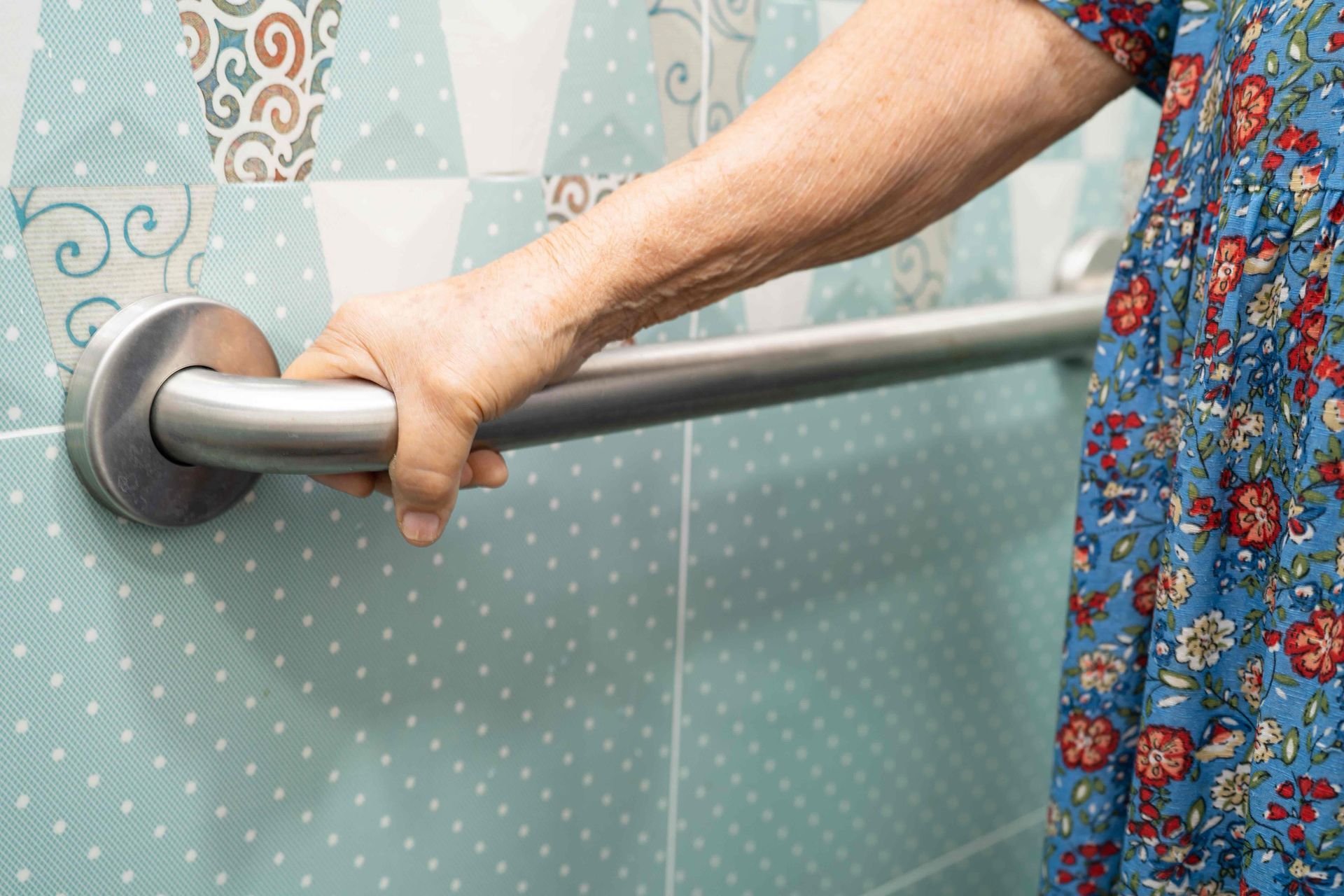
A properly installed bedside support bar or floor-to-ceiling pole provides reliable mobility support during one of the most common daily transitions. By utilizing a vertical grab bar, you create a sturdy anchor point that offers superior stability compared to relying on nearby furniture. These assist bars are essential for maintaining your independence, and they often work much better than using a temporary bed rail alternative.
This type of home modification can be especially valuable when caregivers are not present during the morning routine.
Moment #2: Effective Grab Bar Placement for Shower and Tub Entry
Bathrooms remain one of the most common locations for household falls. While many homes feature shower grab bars inside the bathing area, the entry point itself is frequently overlooked.
Stepping over a tub wall or crossing a shower threshold combines several risk factors at once. Wet surfaces reduce traction, while lifting a leg over an obstacle shifts your center of gravity. In that moment, a momentary loss of balance can quickly lead to a fall. Proper grab bar placement on the side wall is crucial for maintaining stability before you commit to that first step. For many, a vertical grab bar installed near the entryway serves as a reliable handle to steady yourself before entering.
Securing Shower Grab Bars to Wall Studs
Professional
grab bar installation matters because these fixtures must be capable of supporting significant body weight. For maximum safety, installers should anchor the equipment directly into wall studs whenever possible. If you are dealing with a layout where studs are unavailable, using high-quality wall anchors is a necessary alternative to ensure the hardware remains firm. Whether you are installing a bathtub grab bar for added leverage or outfitting your entire shower, the mounting method is just as important as the location. If you are considering a bathroom remodel for accessibility, be sure to coordinate your specific needs with a professional to ensure your safety features provide the support you require.
Moment #3: Standing Up from the Toilet
Many families recognize the value of toilet grab bars, yet they often wait until after a near fall or injury to install them.
Standard toilet heights can make sitting down and standing up difficult, especially for individuals with reduced strength, joint pain, or mobility limitations. During these movements, balance can shift unexpectedly.
Most people rely on a nearby towel bar for support, but that is a mistake. Although it may appear sturdy, it is rarely designed to support body weight and can pull away from the wall under pressure. You need properly installed bathroom safety rails or wall-mounted grab bars to provide dependable leverage when sitting and standing. In some situations, a raised toilet seat may also help, as it makes getting up easier. The right setup depends on your height, strength, and mobility needs. Remember, effective
bathroom modifications are always based on your individual accessibility requirements rather than a one-size-fits-all solution.
Understanding ADA Requirements and Mounting Height
When installing toilet grab bars, it is essential to follow established guidelines to ensure the best support. According to ADA requirements, the standard mounting height for these bars is 33 to 36 inches above the floor. For optimal safety, a horizontal grab bar should be installed on the side wall with at least 42 inches in grab bar length, and another should be placed on the rear wall with at least 36 inches in length. Maintaining this height of 33 to 36 inches is crucial for the side wall, just as adhering to the 33 to 36 inches standard is necessary for the rear wall to ensure total consistency throughout your bathroom. By following these specific measurements for your safety rails, you create a stable environment that makes your daily routine significantly easier and more secure.
Moment #4: Bending to Load the Washer or Dryer
Laundry rooms are not usually the first place people think about when discussing
home modifications for seniors. However, they present several hidden challenges.
Front-loading washers and dryers require repeated bending, reaching, and twisting. These movements can affect balance more than many people expect. Laundry rooms also tend to have hard flooring and limited space, leaving few safe places to steady yourself.
Improving Laundry Room Accessibility
When you prioritize accessibility in your laundry space, you reduce the physical strain of daily chores. A strategically placed grab bar provides necessary support while you are loading clothing, unloading heavy items, or returning to a standing position. Careful grab bar placement can make all the difference, transforming a difficult task into a safer, more manageable experience.
This is a perfect example of why installing grab bars outside bathrooms is just as important as installing them within the bath or shower. During a comprehensive home accessibility assessment, laundry rooms frequently reveal risks that families never considered.
Moment #5: Navigating a Few Steps at the Entryway or Garage Door
When people think about
accessibility improvements, they often focus on large staircases or wheelchair ramps. Smaller transitions deserve just as much attention to maintain home accessibility.
Garage entries, porch steps, mudrooms, and door thresholds are commonly prone to falls. These areas typically have uneven surfaces, weather exposure, and poor lighting, which can lead to a fall at some point.
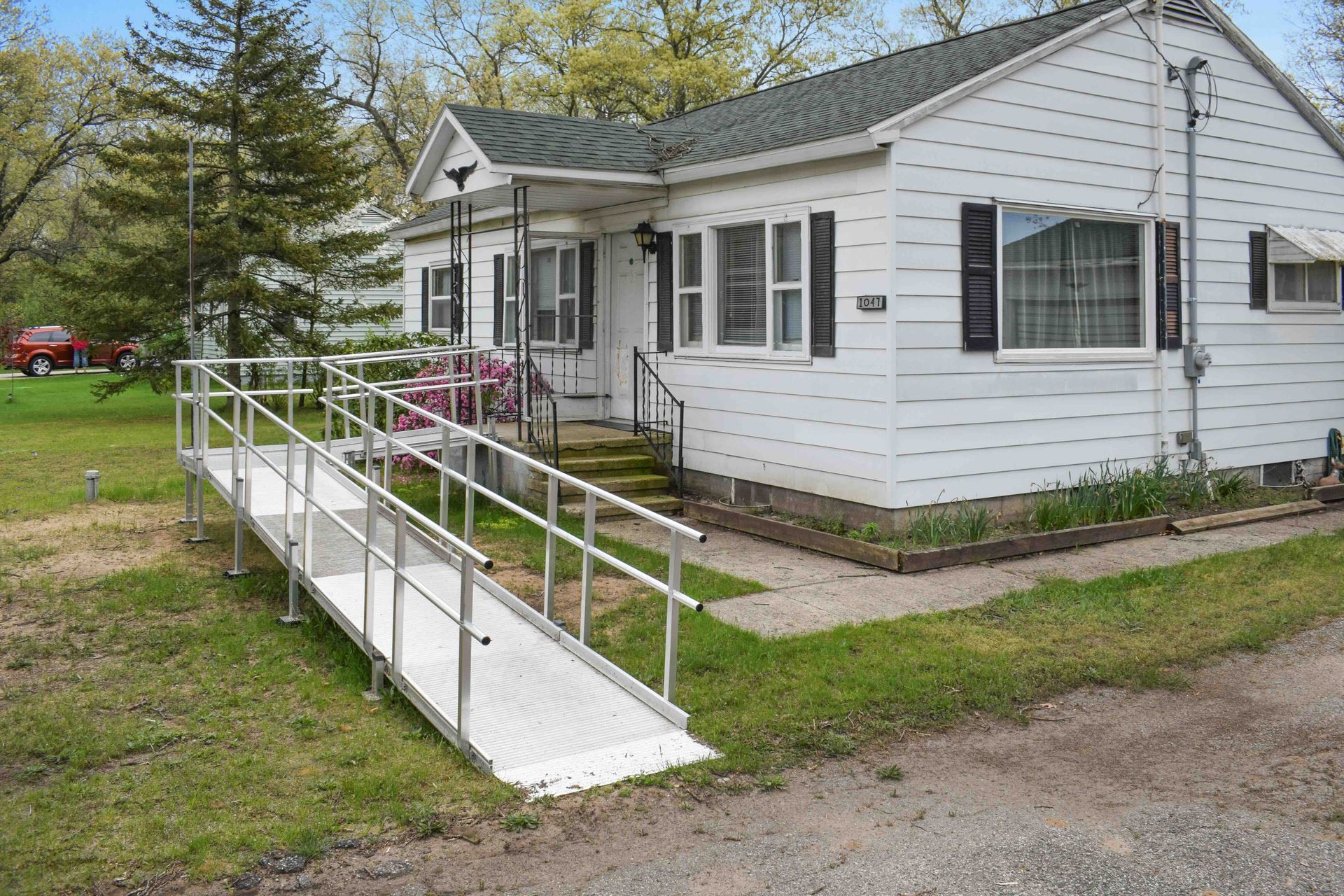
One of the most effective solutions is adding entryway handrails, which create a dependable point of contact during these transitions. When you consider the strategic grab bar placement near these entry points, it results in a more complete and secure home entrance. When combined with a wheelchair ramp, it creates a safer environment for everyone.
At Lakeshore Barrier Free, these projects are often part of broader home accessibility solutions that help people move confidently throughout their property. It includes adding
wheelchair ramps and other supports exactly where they are needed most.
Moment #6: Standing at the Stove or Counter for Long Periods
Not every fall risk involves a sudden movement. Sometimes fatigue develops gradually during routine activities. For instance, cooking meals, washing dishes, and preparing food often require standing in one position for extended periods.
As your legs and lower back become tired, stability can decrease. This can be particularly noticeable for people recovering from surgery, experiencing reduced stamina, or managing chronic conditions, which affects
more than 76% of U.S. adults (representing over 194 million people).
Most kitchens do not offer many sturdy support points. Countertops are helpful for light balance assistance, but they are not intended for weight-bearing support. You need thoughtfully placed grab bars in the kitchen for reliable standing balance support, especially near the sink, stove, or food preparation areas.
Kitchen Standing Support: Horizontal vs Diagonal Grab Bar Options
When installing safety aids in the kitchen, the configuration of the hardware matters significantly. A horizontal grab bar is often the best choice near a stove or sink because it provides a consistent, stable grip for users who need to steady themselves while shifting their weight. If you require assistance with the motion of pulling yourself up from a seated position or transitioning between standing and sitting, a diagonal grab bar offers a more ergonomic angle for your hand and wrist. Regardless of the configuration, always ensure you select products with the appropriate weight capacity to provide reliable, heavy-duty support for your specific needs.