8 Home Modifications That Reduce Fall Risks for Seniors

LBF Team • April 8, 2026

Most older adults want to remain in the homes they love as they grow older. Familiar surroundings, cherished routines, and nearby neighbors can make aging in place feel comfortable and reassuring.


In fact, AARP reports that the elderly overwhelmingly want to stay in their homes (75%). However, safety concerns can sometimes make that goal feel more difficult, especially as mobility or balance begins to change.


Falls are one of the most common safety concerns for seniors aging at home. According to the Centers for Disease Control, one in four adults over 65 falls each year, and the vast majority of those falls happen inside the home. Even a single fall can lead to a serious injury, hospitalization, or a loss of independence.


The encouraging news is that many falls are preventable. Thoughtful home modifications for seniors can dramatically improve fall prevention while allowing older adults to stay safe and comfortable in familiar surroundings. With the right adjustments, a home can support independence rather than limit it.


Below are eight home modifications that can significantly reduce fall risks and improve senior home safety.

Key Takeaways

  • Falls are common among older adults over 65, and many happen at home, but the right home changes can lower that risk while supporting aging in place.


  • Bathrooms are one of the highest-risk areas, so grab bars, walk-in showers, and raised toilet seats can enhance bathroom safety during daily routines.


  • Better lighting, non-slip flooring, and secure handrails on stairways help seniors see tripping hazards clearly and move with more confidence.


  • Ramps, threshold ramps, and patient lifts support safer movement and transfers for seniors with mobility issues and promote independent living.


  • Home modifications can help older adults stay independent longer while making the home safer and easier to use.

Are you looking for an expert resource in accessible spaces, special modifications for persons with mobility challenges, wheelchair accessibility, and more? Contact Lakeshore Barrier Free today.

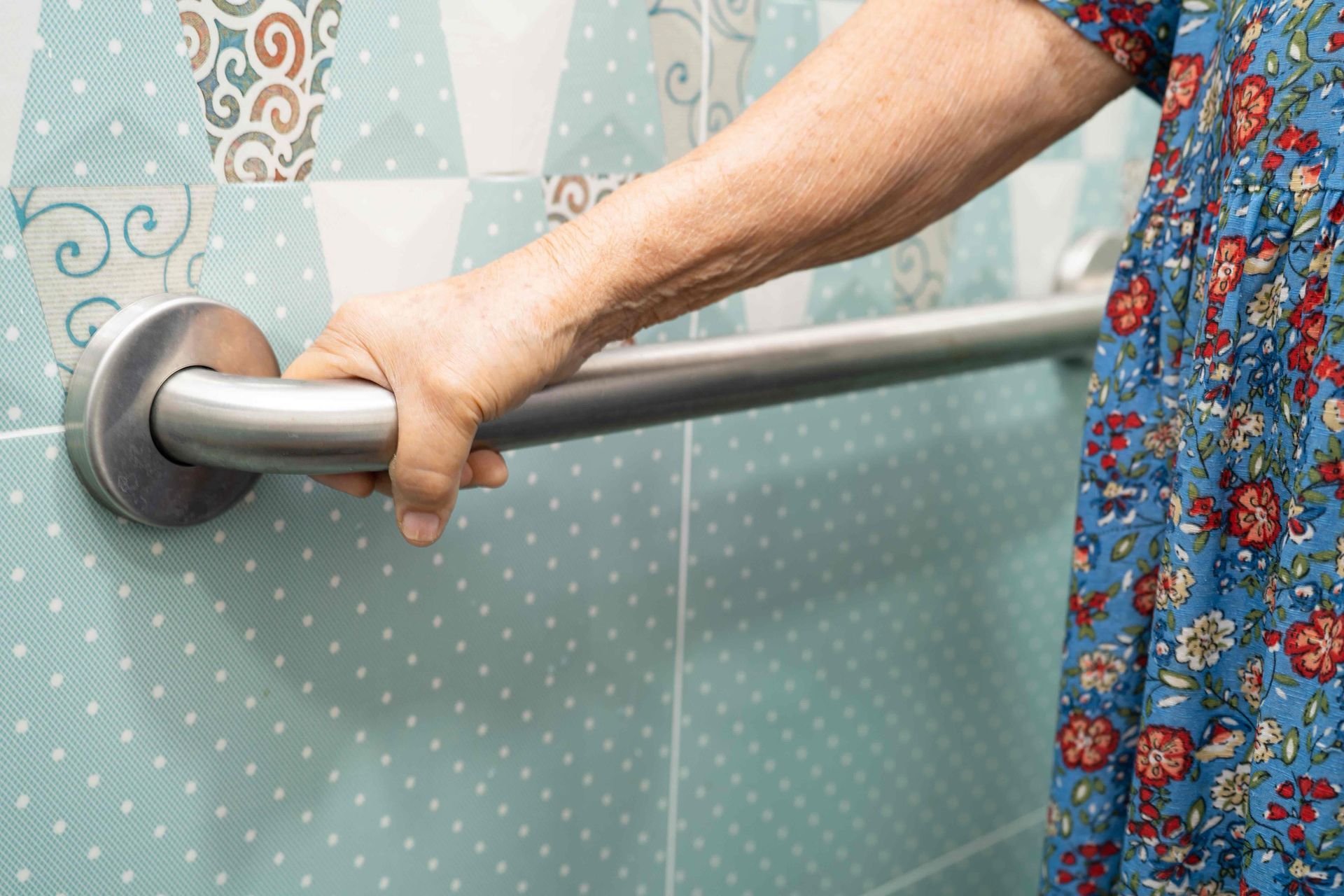
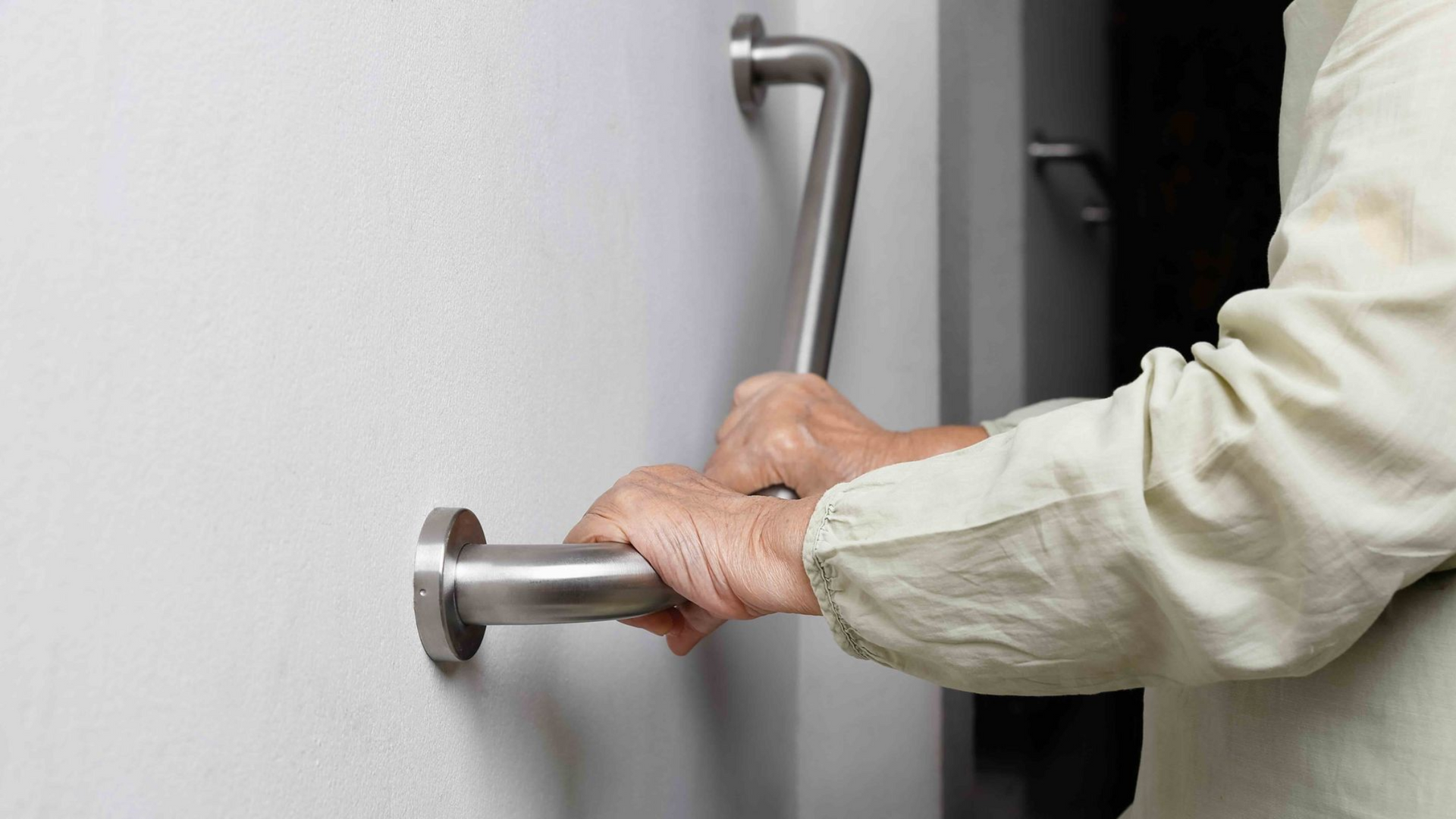
A person's hands gripping a stainless steel grab bar mounted on a white wall for support.

Why Home Modifications Matter for Fall Prevention

As we age, natural changes in the body can make everyday movements more challenging. Vision may become less sharp, reaction time slows, and balance or muscle strength may decline. These changes increase the likelihood of tripping, slipping, or losing stability.


Unfortunately, most homes were not originally designed with older adults in mind. Features that once felt completely normal, such as high bathtub edges, dim hallways, or narrow staircases, can become unexpected hazards.


Some of the most common home hazards for elderly residents include:

  • Bathrooms with slippery surfaces
  • Stairs without proper railings
  • Entryways with steps or raised thresholds
  • Hallways and rooms with poor lighting
  • Loose rugs that slide on hardwood floors


Because falls are the leading cause of injury among older adults, addressing these hazards is a key part of fall prevention. Simple changes like improving lighting, removing trip hazards, and installing supportive equipment can make a major difference.


The goal of home modifications for seniors is not to make a house feel clinical or unfamiliar. Instead, these improvements work in the background to support balance, stability, and confidence while keeping the home comfortable and welcoming.


8 Home Modifications That Reduce Fall Risks

Every home is different, and the right improvements depend on individual needs and layouts. The following home modifications are widely recommended for fall prevention and can often be customized to fit any home.


1. Grab Bars in Bathrooms

Bathrooms are one of the most dangerous places in the home for older adults because wet surfaces increase the risk of slipping.


Installing grab bars near the toilet, inside the shower, and next to the bathtub provides reliable support during everyday movements. These grab bars for seniors create a secure point to hold while sitting, standing, or stepping in and out of the shower.


Proper grab bar installation is incredibly important. Professionally installed bathroom grab bars are anchored into wall studs so they can safely support body weight. When positioned correctly, they help seniors maintain balance and avoid tripping or slipping on wet floors.


2. Walk-In Showers and Tub Conversions

Stepping over the side of a traditional bathtub is one of the most common ways seniors lose their balance.


A walk-in shower for seniors eliminates that high step. A tub to shower conversion replaces the traditional tub with a barrier-free shower or low-threshold entry, allowing seniors to walk in safely.


These accessible showers can also accommodate helpful equipment such as:

  • A shower chair
  • Built-in seating
  • Handheld shower heads
  • Grab bars for additional stability


For seniors using mobility aids or walkers, an accessible bathroom remodel can dramatically improve safety and independence.


3. Non-Slip Flooring

Slippery floors are a major contributor to falls. Bathrooms, kitchens, and entryways are especially risky because water or snow can make floors slick.


Installing non-slip flooring for seniors helps reduce the chance of slipping while walking. Textured or slip-resistant materials provide better traction without dramatically changing the appearance of the home.


Even small improvements can support fall prevention, such as:

  • Adding non-slip mats in bathrooms
  • Using double-sided carpet tape to secure rugs
  • Choosing slip-resistant flooring materials


In many homes, it is also wise to remove loose rugs entirely to reduce tripping hazards.


4. Wheelchair Ramps and Threshold Ramps

Steps and raised door thresholds can become major obstacles for seniors with mobility limitations.


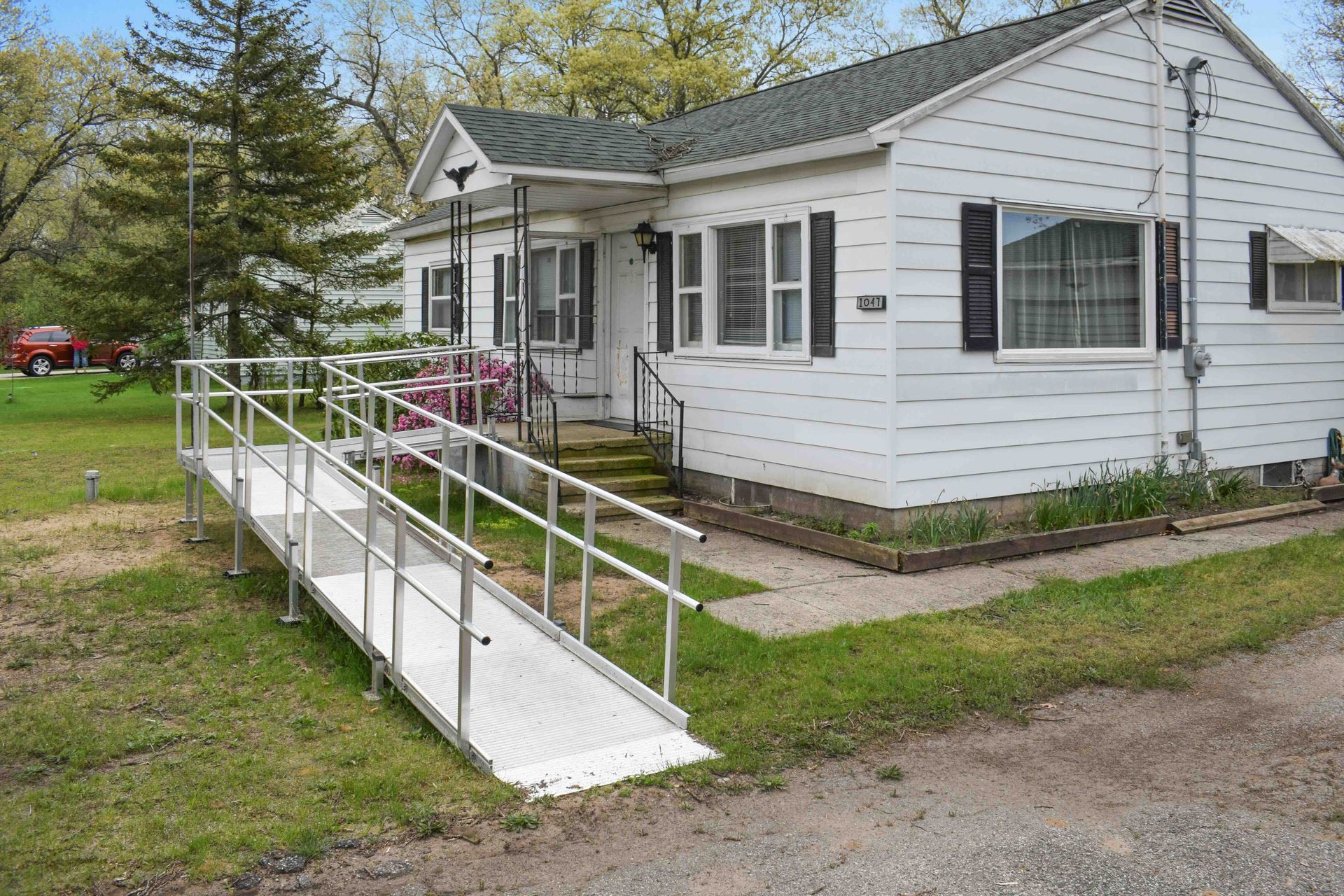
Wheelchair ramps for home entry create a gradual incline that allows seniors to enter and exit safely without navigating stairs. Ramps are especially helpful for seniors using walkers, wheelchairs, or canes.


In addition to exterior ramps, threshold ramps for seniors can be installed at room entrances where small height differences exist between flooring surfaces.


These ramps improve stability, reduce strain, and support safer movement throughout the home.


5. Improved Lighting Throughout the Home

Poor lighting is a surprisingly common cause of falls among older adults.  This study from 2024  found that about 11.4% of poor-lighting falls happen in the toilet or shower area of the bathroom, and about half occur in the bedroom. 


Many falls happen simply because seniors cannot clearly see steps, obstacles, or uneven flooring. Improving home lighting safety can dramatically reduce this risk.


Simple lighting upgrades include:

  • Brighter bulbs in hallways and staircases
  • Motion-sensor lighting in bathrooms
  • Installing accessible light switches
  • Place night lights in bedrooms and hallways
  • Adding night lights along paths to the bathroom


Pay special attention to transitions between rooms and staircases where shadows can make surfaces harder to see.


Good lighting is one of the simplest but most powerful fall prevention improvements available.


6. Stair Handrails and Second Rails

Staircases present a serious fall risk, particularly for seniors with balance challenges.


One of the most effective safety improvements is to install handrails on both sides of the stairs. Having two rails allows seniors to steady themselves with either hand or both hands when needed.


Strong stair handrails for seniors should:

  • Be easy to grip
  • Run the full length of the staircase
  • Be securely mounted to the wall


Adding a second rail greatly improves stairway safety for elderly residents and can help prevent dangerous falls.


7. Patient Lifts and Transfer Aids

For seniors with significant mobility limitations, transfers from bed to wheelchair or from chair to bathroom can be difficult.

Patient lifts for home use, including ceiling lifts and portable lift systems, make these movements much safer for both the senior and their caregiver.


These systems:

  • Reduce the risk of falls during transfers
  • Prevent strain for caregivers and family members
  • Provide stable, controlled movement


When properly installed, these mobility assistance devices support safer daily routines and greatly reduce the likelihood of injury.


8. Raised Toilet Seats and Comfort-Height Toilets

Lower toilets can make sitting and standing difficult for seniors with joint pain, limited mobility, or balance concerns.


A raised toilet seat or comfort height toilet reduces the distance seniors need to lower themselves, making bathroom transfers safer.


This small but significant modification improves balance and reduces strain on the knees and hips, which supports overall fall prevention in the bathroom.


Frequently Asked Questions About Home Modifications to Help Older Adults Prevent Falls


What home modifications help prevent falls for seniors?

Some of the most helpful changes include grab bars, walk-in showers, non-slip flooring, non-slip mats, better lighting, stair handrails, ramps, patient lifts, raised toilets, and other assistive devices. These upgrades reduce slipping, tripping, and loss of balance in the areas where falls often happen.


Which room in the home is most dangerous for falls among seniors?

Bathrooms are often among the most dangerous spaces because wet floors, tub edges, and low toilets can make movement difficult. Adding grab bars, a shower chair, a handheld showerhead, a low-threshold shower, and slip-resistant surfaces can make the bathroom much safer.


Are small home changes enough to reduce fall risk?

Small changes can make a real difference, especially when they address common hazards like removing clutter and throw rugs. For example, improving lighting with night lights, securing rugs, and installing handrails on both sides of the stairs can improve safety without a full remodel.


When should a senior consider ramps or patient lifts?

Ramps and patient lifts are most helpful when walking, transfers, or stepping over thresholds become hard or unsafe. These solutions support safer movement at home and can also reduce physical strain on family members and caregivers. At that point, consider home repairs like widening doorways or securing outdoor spaces with contrasting tape on steps.


Can home modifications help seniors stay independent longer?

Home modifications can support aging in place by making daily tasks safer and easier to manage. When the home fits the person's mobility needs, seniors often have more confidence and fewer barriers in their daily routine. Consulting an occupational therapist or exploring physical therapy can complement these physical home changes.


A smiling couple embraces while sitting indoors in a light-filled room.

Creating a Safer Home for Seniors

Falls are a common concern for seniors aging at home, but they are not inevitable. With the right home modifications for seniors, many hazards can be addressed before they lead to injury.


Working with experienced professionals can make the process much easier. The team at Lakeshore Barrier Free specializes in home modifications that support accessibility, comfort, and independence.


From barrier-free showers and grab bar installation to ramps, lifts, and other accessibility solutions, Lakeshore Barrier Free helps families create homes that work for every stage of life. Their team understands what seniors need and designs solutions that blend safety with the familiar feel of home.


If you’re ready to explore fall prevention improvements or home modifications for seniors, contact us today. The right upgrades today can help make your home safer, more comfortable, and better prepared for the future.

Steven Speckman, the owner of Speck Designs in front of mountains.

ABOUT THE AUTHOR

The copywriting team at Speck Designs creates the content for the Lakeshore Barrier Free blog. Speck Designs is a creative agency based in Hastings, Michigan that loves helping local businesses grow with clear messaging and strong marketing. Every post is built using SEO and content best practices, with topics people are actively searching for, so readers get helpful answers they can use right away.

TALK TO THE EXPERTS OF LAKESHORE BARRIER FREE TODAY!

We believe that everyone should have access to every area of their home! We work directly with you to make sure that every grab bar, bathroom sink, kitchen countertop, patient lift, and more is at the perfect location for you and your loved ones. Call us at (616) 477-2685 or email us at Info@LakeshoreBarrierFree.com

Share this blog

Accessible bathroom featuring a white walk-in bathtub with a grab bar and a toilet equipped with safety support rails.
By LBF Team March 24, 2026
How much does grab bar installation cost in West Michigan? Learn typical price ranges, what affects cost, and why professional placement matters.
Aluminum ramp with handrails leading to a deck outside a house.
By LBF Team March 18, 2026
Need fast, safe access? Wheelchair ramp rentals in Grand Rapids, Michigan include delivery, setup, and removal, with tips on slope, rails, and cost.
Hallway with handrails, bulletin board, whiteboard, wood flooring, and various doors.
By LBF Team March 11, 2026
See 7 signs your group home needs accessibility upgrades, from tight doorways to unsafe bathrooms, ramps, flooring hazards, transfers, and inspection warnings.
Accessible bathroom with gray tile, shower bench, grab bars, toilet, and shower curtain.
By LBF Team March 4, 2026
Michigan grab bar placement guide with inch measurements for toilets, tubs, and showers, plus stud and blocking tips so bars support safe transfers.