Frequently Asked Questions About Grab Bar Placement in Michigan Bathrooms
Do grab bars in Michigan homes have to follow ADA requirements?
In most private Michigan homes, ADA Compliance is not automatically mandatory because ADA mainly applies to public accommodations and many commercial spaces. Still, many homeowners and contractors use ADA-style dimensions as a best-practice baseline. In addition, you may want an inspection-ready approach for regulated settings, certain funded rentals, or projects tied to an OT, insurer, or veterans' benefits.
What is the standard height for a bathroom grab bar?
Many installers start with the ADA Grab Bar Height of 33 to 36 inches above the finished floor for horizontal grab bars, measured to the top of the gripping surface. After that, adjust the mounting height based on the user's reach, strength, and transfer style. Consistency matters too, so choose a reference point (finished floor) and measure the same way throughout the bathroom.
Can I mount a grab bar into tile or drywall with anchors?
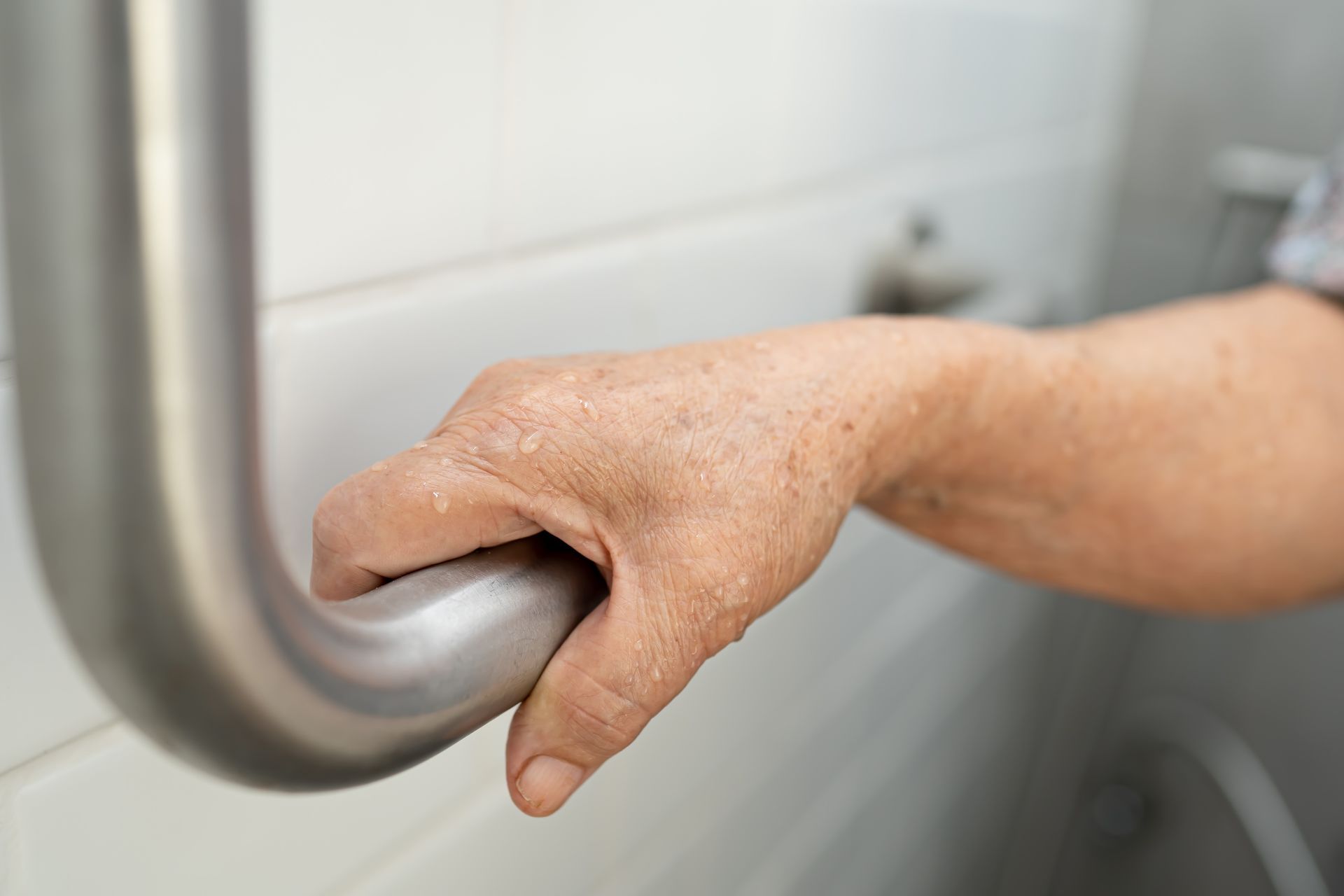
Don't rely on tile or drywall alone for grab bar mounting. A grab bar needs solid structure, such as studs, added wood blocking, or a manufacturer-approved mounting system rated for body weight. If you cannot confirm proper backing in a tub surround or shower wall, stop and add blocking or change the plan.
Where should grab bars go near a toilet?
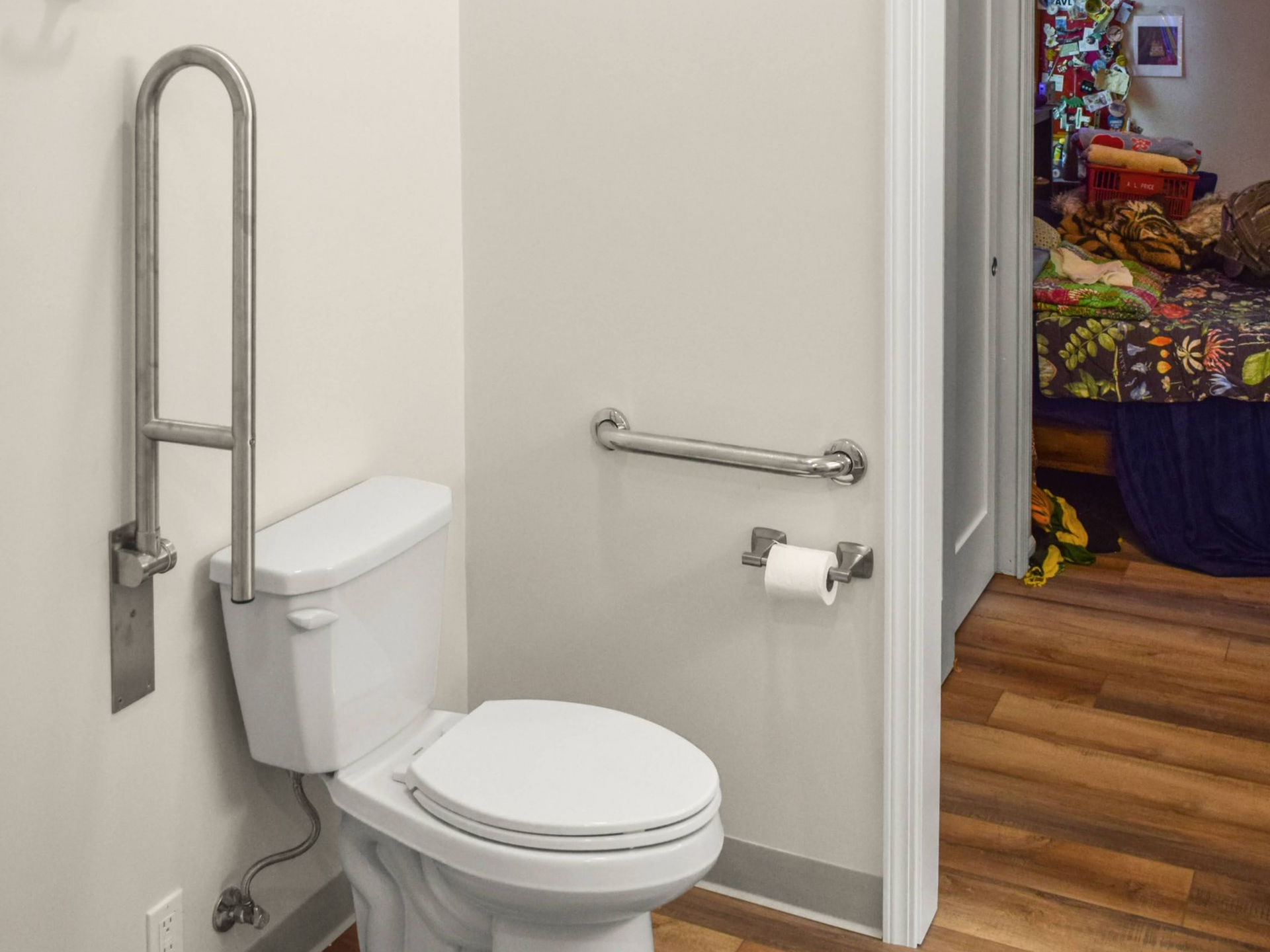
A common starting layout for the water closet uses two horizontal bars, one side wall grab bar on the side wall, and one rear wall grab bar on the rear wall behind the water closet. Many layouts use a side wall grab bar around 42 inches long and a rear wall grab bar around 36 inches long, with both often set around 33 to 36 inches above the finished floor to the centerline of the water closet. Since transfer direction matters for wheelchair users, match the strongest support to the user's transfer side, ensure clear floor space, and check for conflicts like tank lids, towel rings, and vanity edges.
How do you place grab bars in a tub or shower?
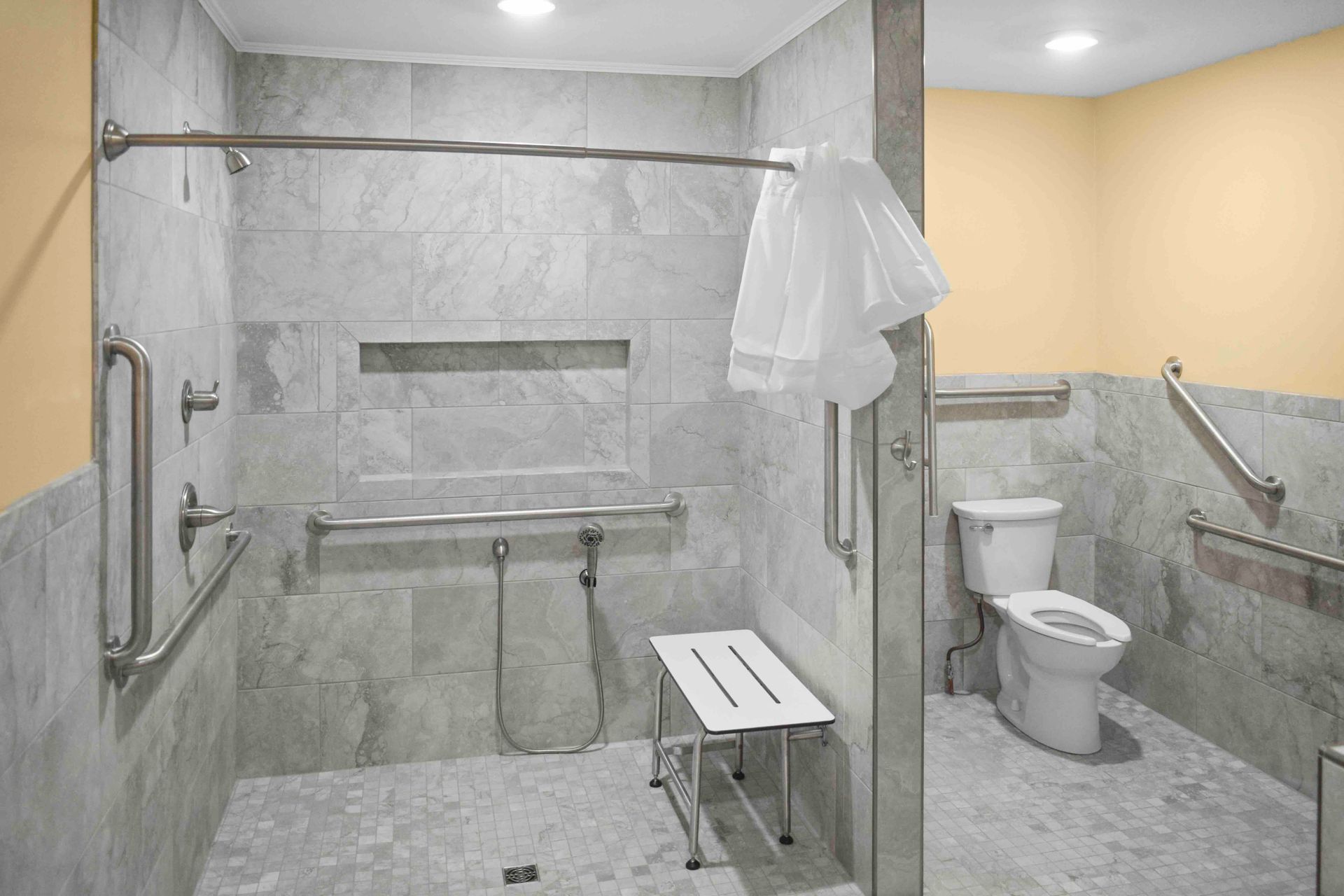
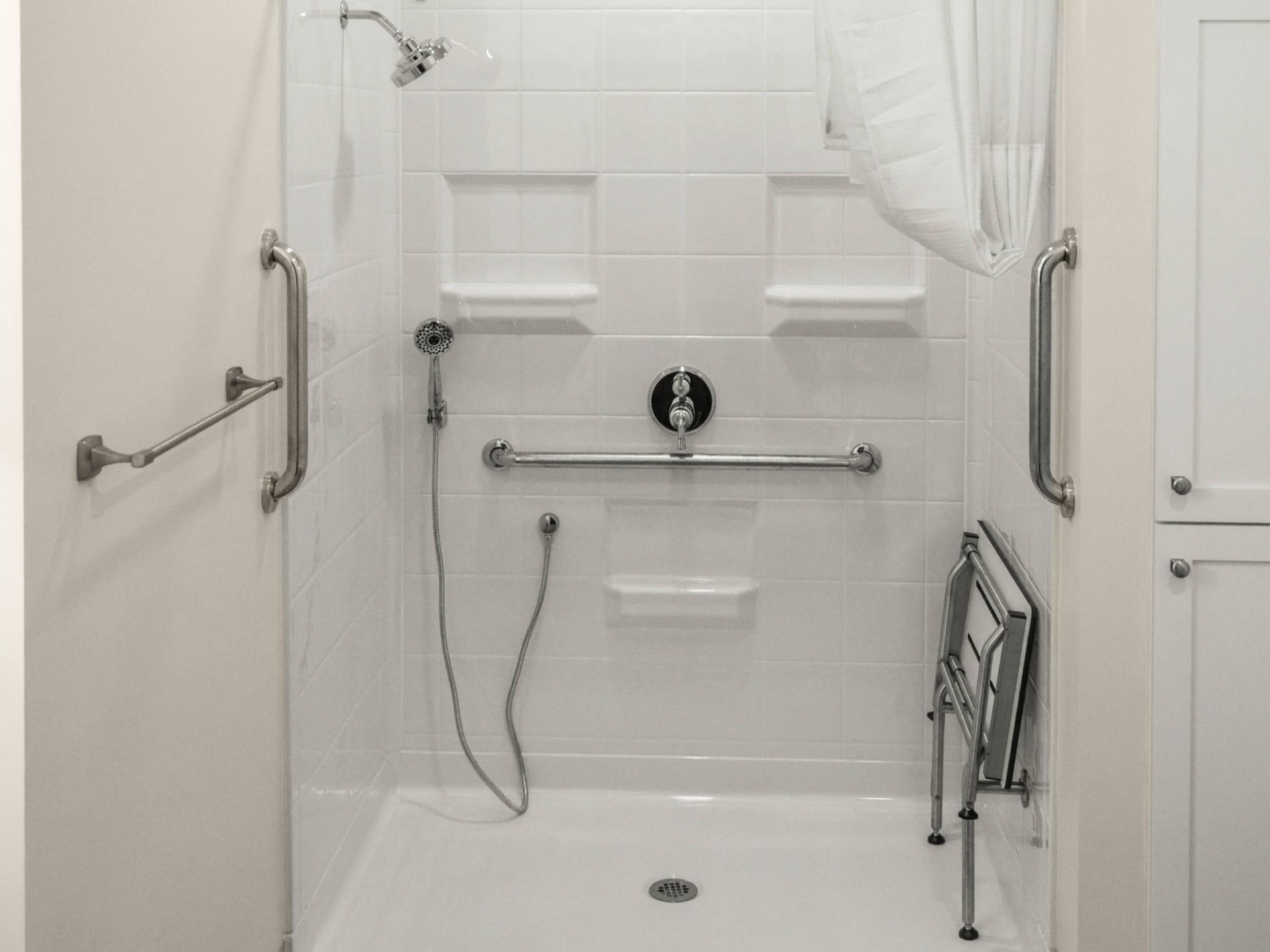
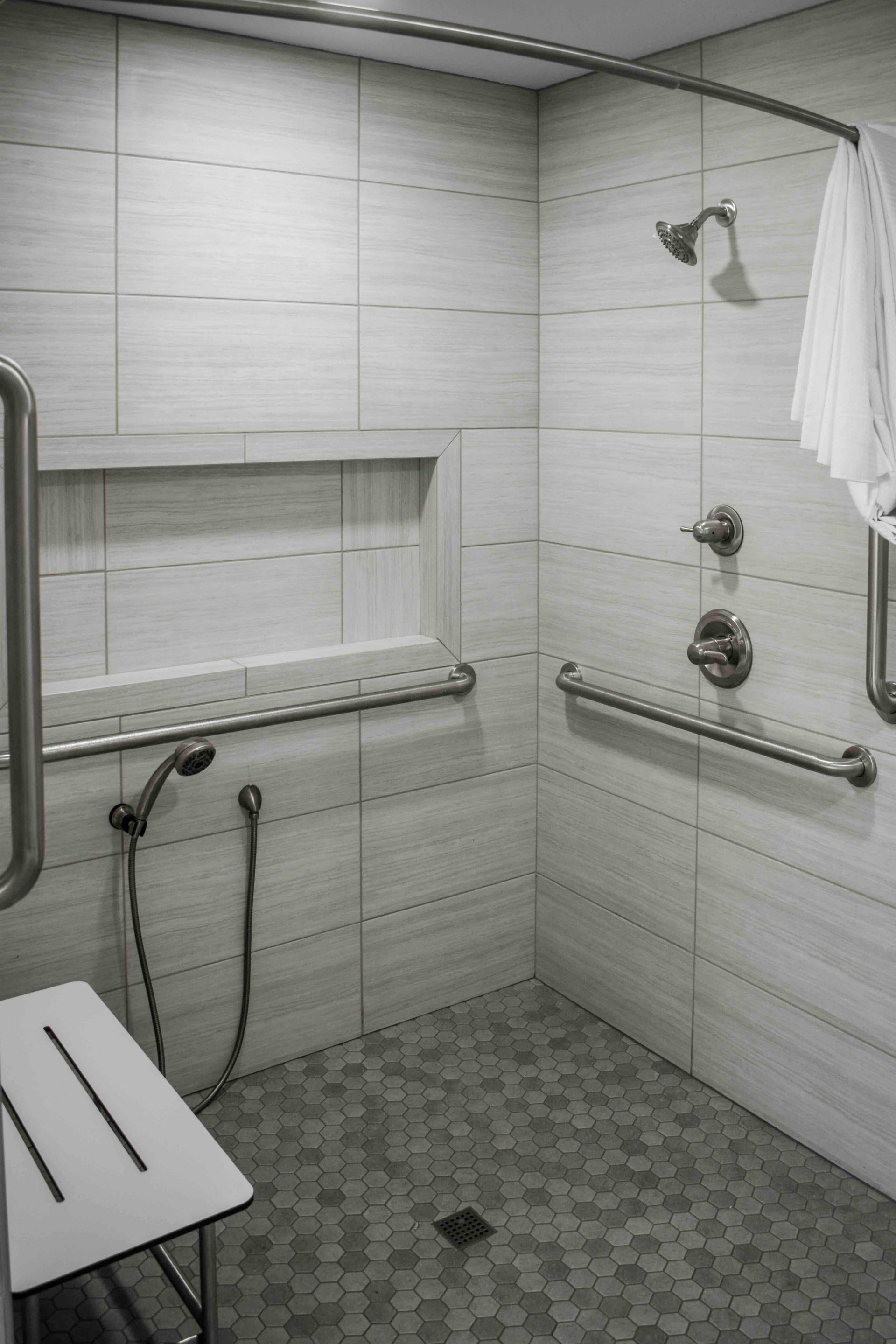
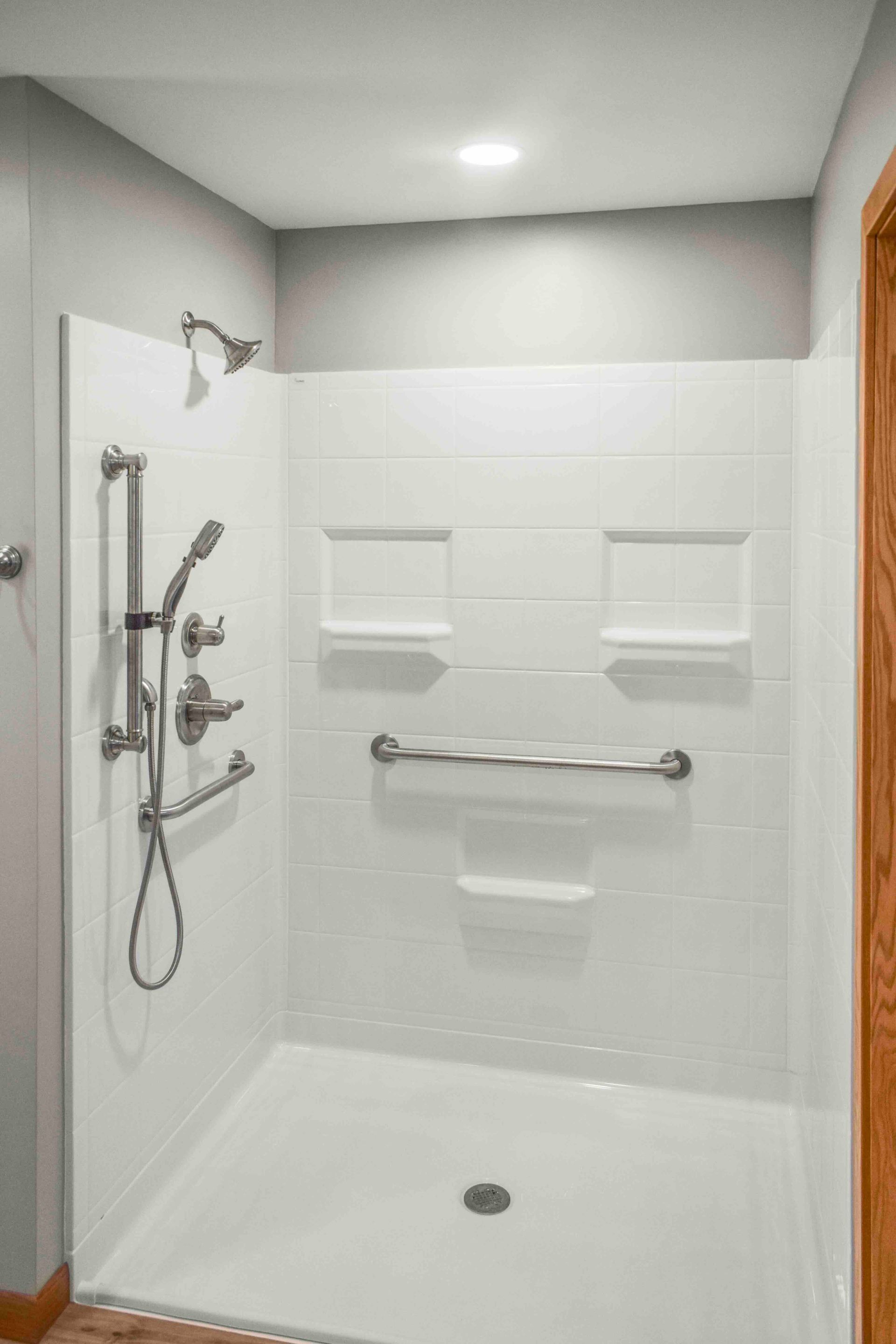
For tub and shower areas, place bars for the moments when people shift weight, stepping in, turning, sitting, and standing in a shower compartment, whether transfer type shower or a roll-in type shower. Many plans include a vertical grab bar near the entry edge or bathtub rim, plus a side wall grab bar or horizontal grab bars on the long wall or control wall near the permanent seat and hand shower. Often, the side wall grab bar and rear wall grab bar are set around 33 to 36 inches above the tub or shower floor, using appropriate grab bar length. Finally, seal all fastener openings in wet areas and avoid exterior wet walls when possible in Michigan, because plumbing, insulation, and vapor control layers can complicate the grab bar installation.