8 Signs It's Time to Install a Patient Lift in Your Home

LBF Team • April 29, 2026

Caring for someone you love can be a beautiful thing, but it can also become physically demanding in ways many families don’t anticipate.


What starts as helping a loved one stand or move from the bed to a chair can slowly turn into a difficult, exhausting routine. As mobility declines, patient transfers that once felt manageable can become risky for both the patient and the caregiver.


Many families drag this stage out longer than they should. Lifting, pivoting, and supporting body weight places significant strain on the body and increases the risk of falls or serious injuries.


Considering that falls are the leading cause of fatal and non-fatal injuries among older adults, this is a big risk factor to consider.


A potential solution: patient lifts support safer transfers, protect dignity, and help make daily care more sustainable for both the patient and the caregiver.


If transfers have started to feel harder than they used to, the signs below can help you determine whether it may be time to consider patient lift installation.

Key Takeaways

  • A patient lift, such as a Hoyer lift, may be needed when transfers become physically hard, slow, or unsafe for the caregiver or patient.


  • Near falls, slips, or fear during transfers often point to a higher injury risk and a need for safe transfers with a patient lift.


  • Limited mobility, including trouble standing, pivoting, or bearing weight, often means manual transfers are no longer the safest option.


  • Caregiver back pain, fatigue, and burnout are common signs that manual lifting is putting too much strain on the body.


  • The right lift depends on the person's mobility, the type of transfer needed, the home's layout, and weight capacity, so a professional assessment helps match the safest option.

Are you looking for an expert resource in accessible spaces, special modifications for persons with mobility challenges, wheelchair accessibility, and more? Contact Lakeshore Barrier Free today.

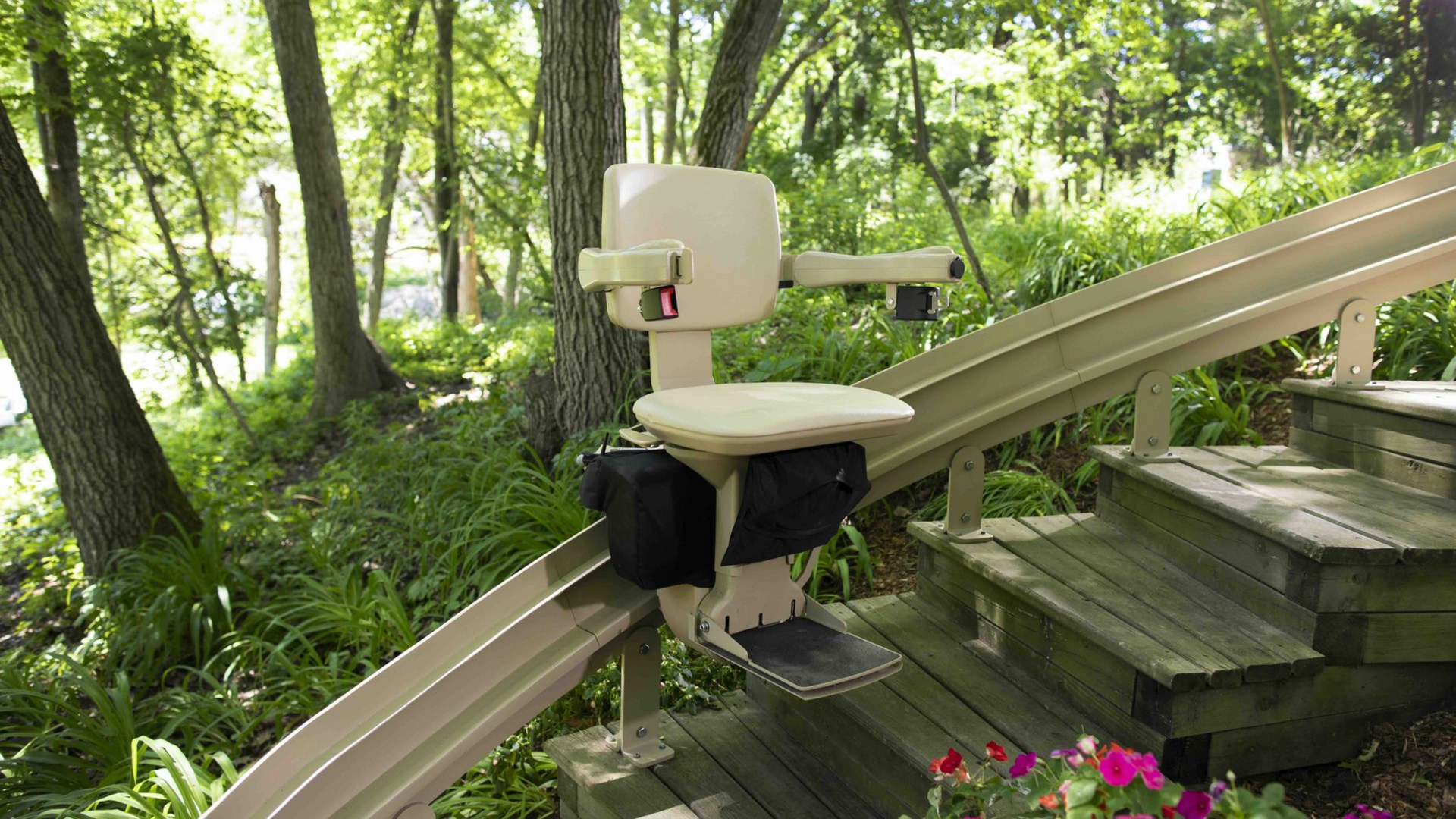
An outdoor stair lift with a tan seat mounted on a metal rail along wooden stairs in a wooded garden setting.

1. Transfers Are Becoming Physically Difficult

Moving a patient from the bed to a wheelchair or recliner may have once been manageable, but now it leaves you exhausted. What used to be a one-person job may now require two people.


If you struggle to stand, lift, or reposition your loved one during transfers, it may be time to consider lifts that support safe movement.


A patient lift removes the physical strain of lifting body weight manually and replaces it with controlled, stable motion.


2. You or Your Loved One Has Experienced a Near Fall

Falls during patient transfers are more common than many families admit. According to research published in 2025, the six key factors contributing to these are: 

  • Human error
  • Team coordination
  • Patient condition 
  • Staffing challenges
  • Equipment issues
  • And inadequate training


Even a brief slip while trying to stand or pivot can lead to serious injury. If you've experienced close calls, slips, or an actual fall during transfers, the risk is already present.


A patient lift eliminates the unstable middle moment during transfers. Instead of relying on balance and strength, the patient is securely supported in a sling while the lift handles the movement.


3. Your Loved One’s Mobility Has Declined Noticeably

Conditions like stroke, Parkinson’s disease, MS, or age-related weakness can gradually reduce a person’s ability to stand, pivot, or assist with movement.


When a patient can no longer reliably sit to stand or support their own weight, transfers become much more difficult.


Sit-to-stand lifts or full patient lifts allow safe movement between locations without forcing the patient to bear weight.


4. The Caregiver Is Experiencing Back Pain

Caregiver back pain and other physical complaints are some of the most common reasons families begin researching patient lifts. Recent reports indicate that about half of all family caregivers report bothersome pain, and about 25% experience “activity-limiting pain.”


If you're waking up sore, seeing a chiropractor, or feeling sharp discomfort after helping your loved one stand or sit, your body is telling you something you shouldn’t ignore. Even the strongest caregivers cannot safely lift a full-grown adult indefinitely.


Electric or hydraulic lifts take over the physical effort, allowing the caregiver to simply (and safely) guide the process rather than carry the weight.


5. Transfers Take Much Longer Than They Used To

If daily transfers now require multiple attempts, long pauses, or careful repositioning before movement can happen, the process is becoming inefficient and stressful.


Using a patient lift allows smooth, step-by-step transfers that can be completed quickly and safely. These faster transfers improve comfort and reduce fatigue for both the patient and caregiver.


6. Your Loved One Shows Fear During Transfers

Pay attention to emotional cues. If the patient grips tightly, tenses up, or verbally expresses fear when it's time to move, that anxiety likely comes from feeling unstable.


A properly fitted sling and controlled lifting motion provide a sense of security. Many patients report feeling calmer during transfers once a patient lift is introduced because the movement is smooth and consistent.


7. You’re Turning Down Help Because Transfers Are Too Complicated

Family members or friends may offer to help, but explaining your transfer method can feel like a complicated burden, especially if you’re the sole caregiver.


This often leads caregivers to decline help entirely, which increases isolation and burnout. According to the Cleveland Clinic, about 60% of caregivers experience symptoms of burnout, and many report feelings of emotional and physical exhaustion, as well as withdrawal from friends and loved ones.


A patient lift standardizes the process. After a brief demonstration, others can safely assist with transfers. This makes respite care more possible, and support systems can step in when needed.


8. Your Home Setup Has Become Unsafe

You may notice furniture moved awkwardly, rooms blocked off, or certain areas of the house avoided entirely because transfers feel risky.

When a home begins to revolve around avoiding movement, it’s a sign that the current approach is no longer working.

A professionally installed patient lift system can reopen spaces that have become difficult to access. Whether ceiling-mounted lifts or portable patient lifts, the right solution restores safer movement throughout the home.


Choosing the Right Lift for Your Needs

When exploring different lifts, families may encounter a wide collection of options online. A typical equipment shop may allow you to sort, filter, and compare models by style, weight capacity, and price.


However, the highest price model is not always the best solution.


The right patient lift depends on factors such as:

  • The patient’s mobility level
  • The layout of the room
  • The type of transfers required
  • Whether a sit-to-stand or full-body lift is needed


Some families begin by browsing portable patient lifts available in stock online, while others explore ceiling systems.

Because these devices are used in hospitals, care facilities, and residential settings, they are engineered for reliability and ease of use. Many include electric or hydraulic systems for smooth lifting.


If you are unsure which option to choose, speak with professionals who specialize in patient lift installation and accessibility home modifications. They can help answer important questions and guide you toward the safest solution.


Frequently Asked Questions About Patient Lifts for Home Use


When should you install a patient lift in your home?

It may be time to install a patient lift when transfers become hard, unsafe, or tiring. Common signs include caregiver back pain, near falls, slower transfers, fear during movement, and a clear drop in the person's mobility. These tools are essential for fall recovery and preventing further issues.


What problems does a patient lift help prevent?

A patient lift helps lower the risk of falls and transfer-related injuries as a vital transfer aid. It also reduces physical strain on the caregiver by replacing manual lifting with stable, controlled movement for safe transfers.


Does a patient lift mean someone can no longer help with transfers on their own?

Not always. Some people still have partial strength and may do well with a sit-to-stand lift, while others need a full-body lift, such as a manual patient lift or an electric patient lift. The best choice depends on how much weight they can bear and how safely they can move during transfers.


How do you choose the right patient lift for a home?

The right patient lift depends on the person's mobility, the room layout, and the type of transfers needed each day. Consider options like a portable patient lift, ceiling-mounted lift, floor lift, or hydraulic patient lift. A foldable patient lift with a compact design works well for small spaces, while a bariatric patient lift suits higher weight capacity needs. Look for features in a medical lift such as a spreader bar, rechargeable batteries, emergency control, and an adjustable base. For proper patient positioning, select the right patient lift sling, like a full body sling or toileting sling. A professional in-home assessment can help determine the better fit.


Can a patient lift make caregiving easier for family members?

Yes, because it makes transfers more consistent and easier to manage. It can also help other family members or respite caregivers step in more safely after basic instruction.


A smiling couple embraces while sitting indoors in a light-filled room.

Schedule a Patient Lift Assessment with Lakeshore Barrier Free

Recognizing the signs that transfers have become unsafe is the first step toward improving daily care.


The team at Lakeshore Barrier Free has helped many families throughout the Grand Rapids area find the right accessibility solutions for their one-of-a-kind needs. Our specialists will evaluate your location, discuss transfer challenges, and recommend a lift system designed for your space.


If you're considering patient lift installation in Grand Rapids, MI, we offer free in-home assessments to help families explore the best options.


Better care starts with safer transfers, for both you and the person you love. Get in touch with us today.

Steven Speckman, the owner of Speck Designs in front of mountains.

ABOUT THE AUTHOR

The copywriting team at Speck Designs creates the content for the Lakeshore Barrier Free blog. Speck Designs is a creative agency based in Hastings, Michigan that loves helping local businesses grow with clear messaging and strong marketing. Every post is built using SEO and content best practices, with topics people are actively searching for, so readers get helpful answers they can use right away.

TALK TO THE EXPERTS OF LAKESHORE BARRIER FREE TODAY!

We believe that everyone should have access to every area of their home! We work directly with you to make sure that every grab bar, bathroom sink, kitchen countertop, patient lift, and more is at the perfect location for you and your loved ones. Call us at (616) 477-2685 or email us at Info@LakeshoreBarrierFree.com

Share this blog

A person standing in a tiled shower area, holding onto a mounted metal grab bar near a shower seat.
By LBF Team April 22, 2026
Find the best grab bar for elderly adults, from ADA-compliant wall-mounted options to vinyl vs stainless choices for safer daily support.
Portable aluminum wheelchair ramps are displayed in front of a house entrance with steps.
By LBF Team April 15, 2026
Learn how to choose a portable ramp for wheelchair access with the right length, slope, traction, and stability for safer home, curb, and vehicle use.
A person’s hands gripping a metal safety grab bar installed on a white wall.
By LBF Team April 8, 2026
Learn how to prevent falls at home with senior-friendly upgrades like grab bars, tub to shower conversions, non-slip flooring, ramps, lighting, rails, and toilets.
Accessible bathroom featuring a white walk-in bathtub with a grab bar and a toilet equipped with safety support rails.
By LBF Team March 24, 2026
How much does grab bar installation cost in West Michigan? Learn typical price ranges, what affects cost, and why professional placement matters.