What Types of Grab Bars Are Best for Elderly Adults?

LBF Team • April 22, 2026

The best grab bars for elderly adults depend on three things: where they will go, how much support the person needs, and whether the setup is short-term or built for daily life. For optimal bathroom safety, the right bars can help with balance, standing, transfers, and peace of mind.


That matters because bathroom falls are common, making fall prevention a top priority, and slick surfaces leave little room for error. If you're planning for aging in place, wheelchair access, or recovery at home, safety should come before style. The smartest way to compare grab bars is by mounting style, material, shape, and location.

Key Takeaways

  • Screw-mounted, ADA-compliant grab bars are the safest for elderly adults, anchoring securely to support full body weight in bathrooms for daily use.


  • Vinyl-coated steel beats stainless steel for most seniors, offering a warmer, textured grip that's easier on arthritic or weak hands, especially when wet.


  • Use straight bars for showers and toilets, angled or flip-up for transfers; match placement to real movement needs like standing or wheelchair use.


  • Avoid suction cups as primary support, towel bars, or low-capacity options—stick to 250-500 lbs ratings and 1.25-2 inch diameters.


  • Professional installation is essential due to wall variations; it ensures reliability over cheap DIY attempts.

Are you looking for an expert resource in accessible spaces, special modifications for persons with mobility challenges, wheelchair accessibility, and more? Contact Lakeshore Barrier Free today.

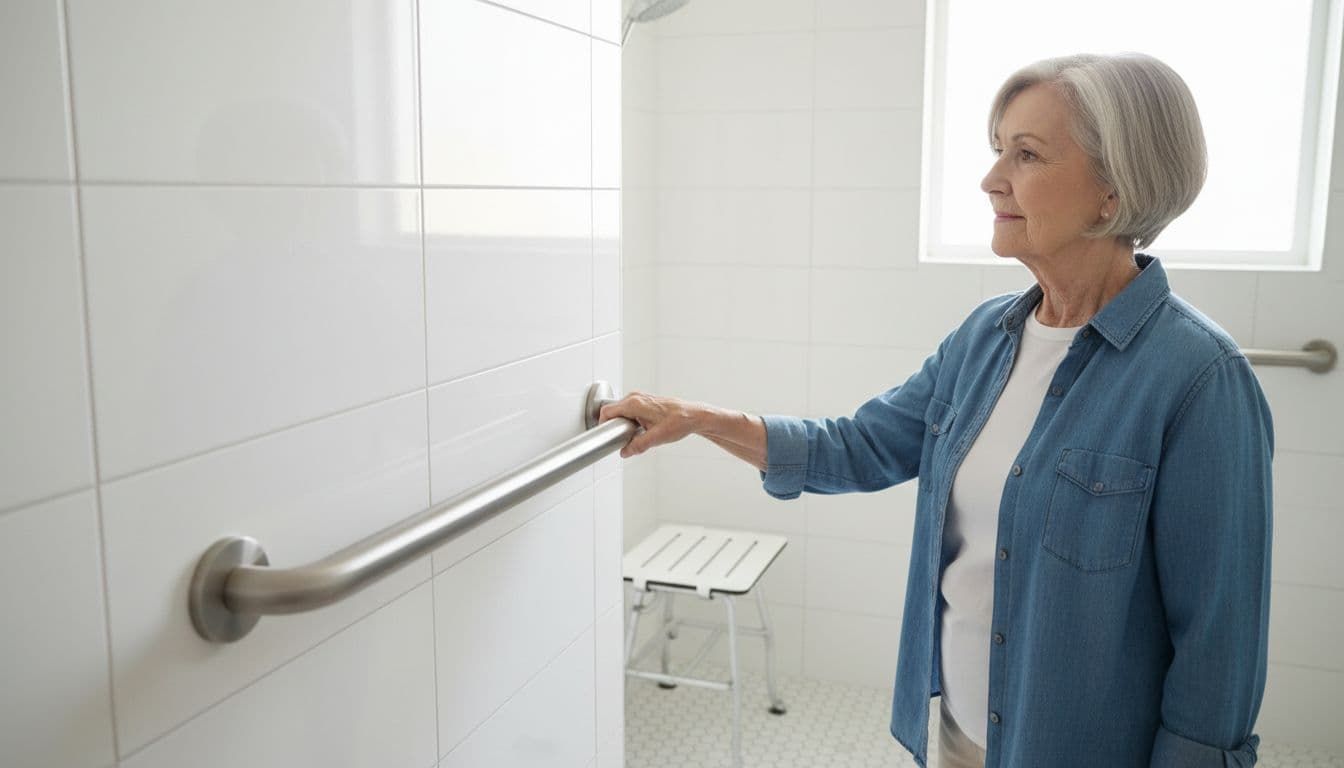
An older person stands in a tiled shower, holding a metal safety grab bar installed on the wall near a shower seat.

The safest types of grab bars for seniors, and why permanent bars usually win

For most elderly adults, screw-mounted, ADA-compliant grab bars are the safest choice. They anchor primarily by mounting into studs, blocking, or approved heavy-duty anchors, so they can support real body weight when it counts.


Current 2026 safety guidance still points to wall-mounted grab bars as the standard pick for bathrooms. Look for bars with a grab bar diameter that fits older hands well, usually about 1.25 to 2 inches, and a weight capacity of at least 250 pounds. If you want to compare common options, browsing ADA-compliant grab bars can help you spot the right specs.


Why screw-mounted grab bars are the best choice for everyday safety

A permanent grab bar does one job well: it stays put. That reliability matters for seniors with weak legs, poor balance, arthritis, recent surgery, or wheelchair transfer needs.


These bars work best as shower grab bars near showers, tubs, and toilets because those spots see the most slips. When an older adult reaches for support, they shouldn't have to wonder if the bar will hold. A properly installed bar offers that confidence.


For daily use, permanent bars beat temporary options for senior safety because they handle repeated pulling, pushing, and leaning. In other words, they're not there to look helpful. They're there to prevent a fall.


When suction cup grab bars may help, and why they should not replace a real grab bar

Suction cup grab bars have a place, but it's limited. They can help with light balance support during travel, short recovery periods, or in a rental where drilling isn't allowed.


Still, they are not the best choice for someone who needs full weight support. They depend on smooth, clean, non-porous surfaces, and they need frequent checks. A small seal failure can turn into a dangerous surprise.


If you're weighing short-term options, this 2026 bathroom safety guide gives a useful overview of permanent and portable styles, including wall-mounted grab bars and shower grab bars. The fair rule is simple: use suction cup grab bars only as a light aid, never as the main support for an elderly person with fall risk.


Which grab bar material is best for elderly hands, wet bathrooms, and daily use

Material changes how a grab bar feels in real life, including the grab bar diameter for optimal comfort. Strength matters, but so do grip, comfort, and how the surface behaves when wet.


For most homes, the best choice comes down to stainless steel versus vinyl-coated steel. Both can be strong. The better pick depends on the person's hands, health needs, and bathroom setting.


Why do many seniors do better with vinyl-coated grab bars

Vinyl-coated grab bars deserve more attention in residential work. Many use a steel core for strength, then add a thick vinyl coating that feels warmer, softer, and easier to hold, often featuring a textured grip perfect for users with arthritis or weak hands.


That coating creates more friction, especially with wet hands. For seniors with arthritis, neuropathy, weak grip, or hand pain, it can make a real difference. Instead of a slick metal feel, the surface feels more secure and less harsh on the joints.

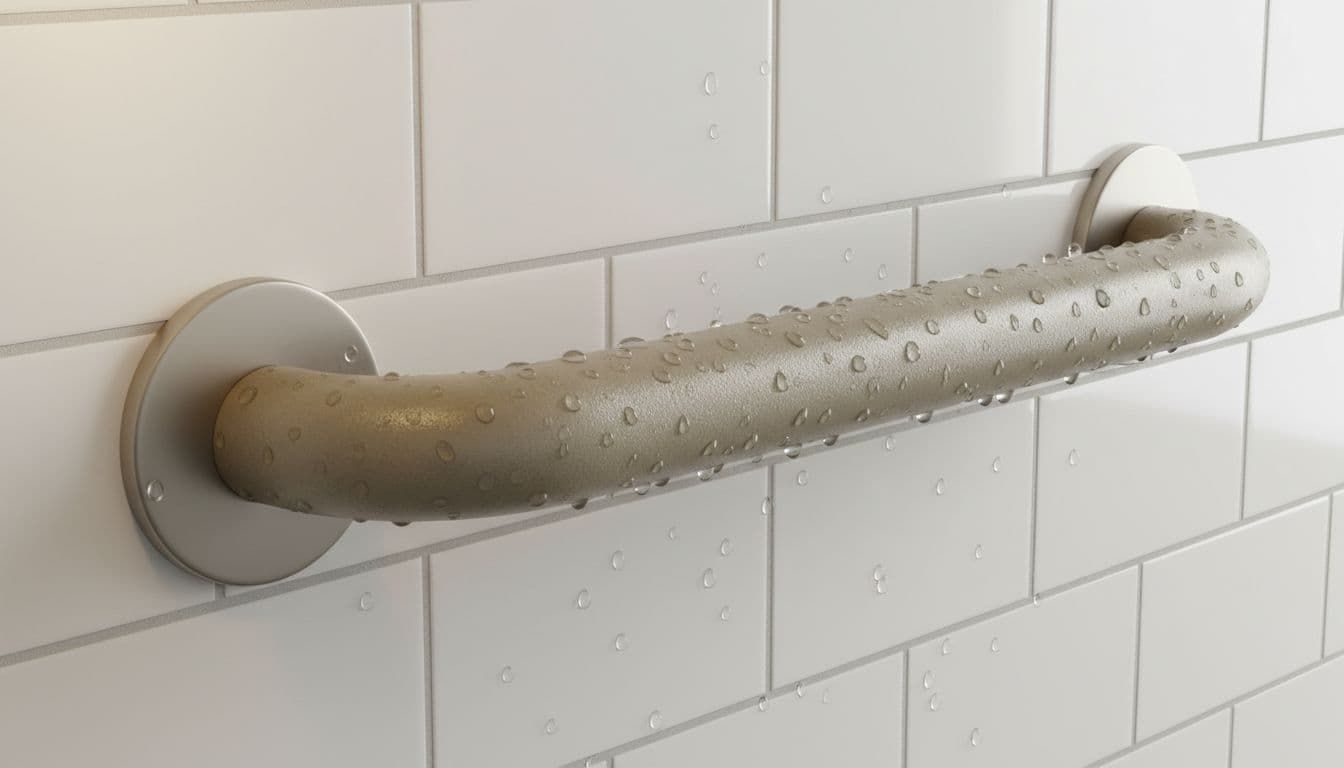
A brushed nickel safety grab bar mounted on white subway tile, covered in water droplets in a shower.

Some also include antimicrobial surface protection, which helps resist odor and surface buildup over time. For aging in place, disability work, and shower or toilet support areas, vinyl-coated bars often feel better for daily use than bare metal. That's one reason many residential installers now favor them for medically complex clients.


When stainless steel grab bars are still a smart choice

Stainless steel remains a solid option. It's strong, rust-resistant for wet environments, easy to clean, and common in ADA-compliant products. It also handles heavy wear better in public or commercial spaces. Finishes like brushed nickel give stainless steel a sleek, modern look that fits many bathrooms.


This quick comparison helps:

Material Best for Main downside
Vinyl-coated steel Homes, seniors, wet areas, weak grip Can nick or fade over time
Stainless steel Commercial use, heavy wear, sleek design Can feel cold and slick

A standard stainless steel ADA grab bar example shows the type that many homeowners recognize. Still, for a senior who will use the bar every day, comfort and grip often matter more than appearance.


The best grab bar shapes and placements for showers, tubs, and toilets

The right grab bar isn't only about material. Shape, length, angle, and placement all affect how safely a person can move.


That is especially true for older adults who use a wheelchair, walker, or caregiver support. A bar should match the task, not the catalog photo.

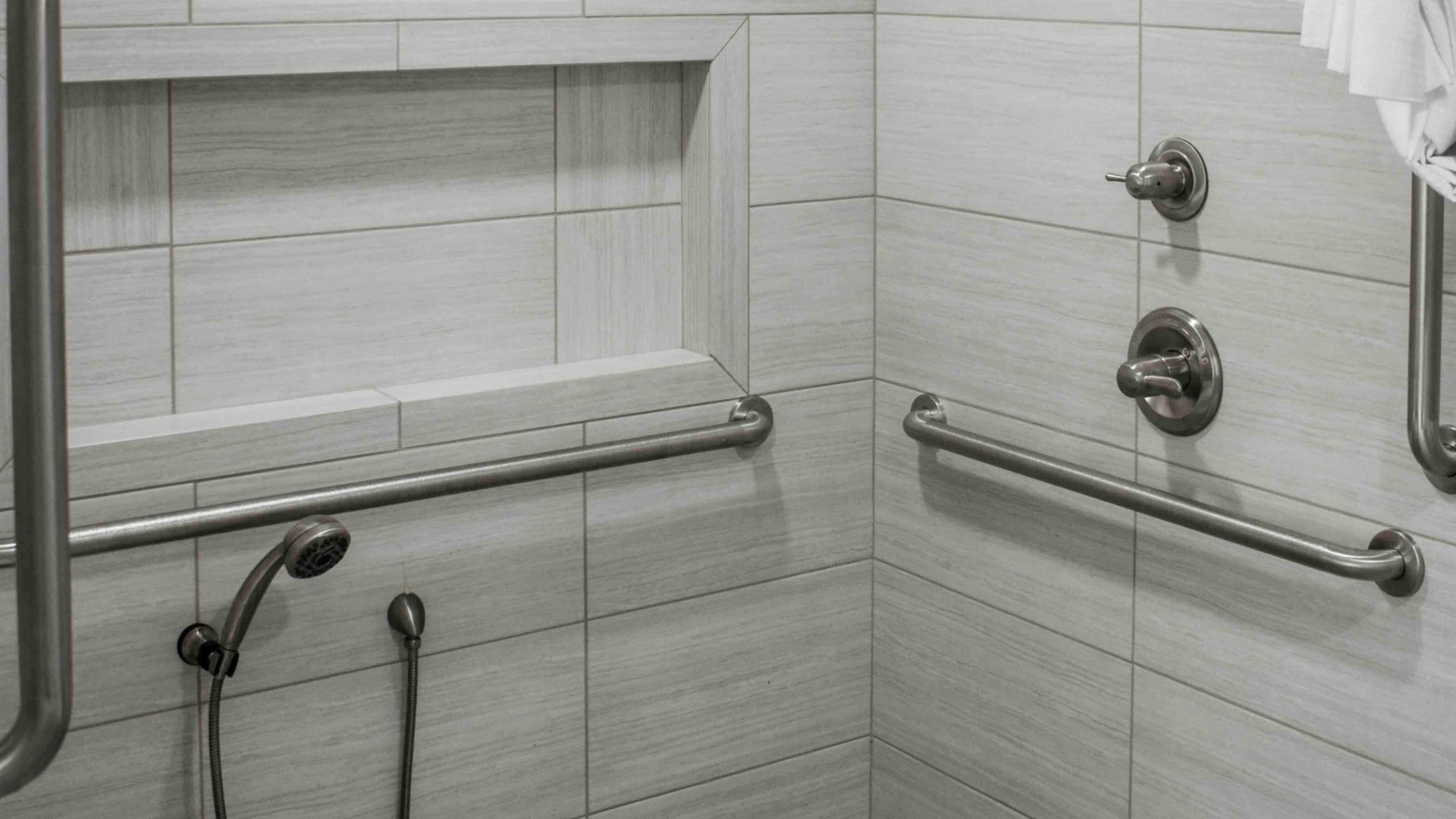
An accessible shower stall featuring light gray tiled walls, stainless steel grab bars, a handheld showerhead, and controls.

Straight grab bars for showers and toilet areas

Straight grab bars are the most common because they work in many places, with horizontal bars and vertical bars offering versatile options. A horizontal shower grab bar inside the shower gives steady support while standing, turning, or washing. A vertical bar near the entry helps with stepping in and out. A longer straight bar can also guide movement along a wall.


Near a toilet, side-wall placement often gives the best push-off support. Many pros install toilet bars around 33 to 36 inches high, with enough length to support sit-to-stand motion. In tub and shower areas, using more than one bar, such as a bathtub grab bar alongside a shower grab bar, is often safer than relying on a single spot.

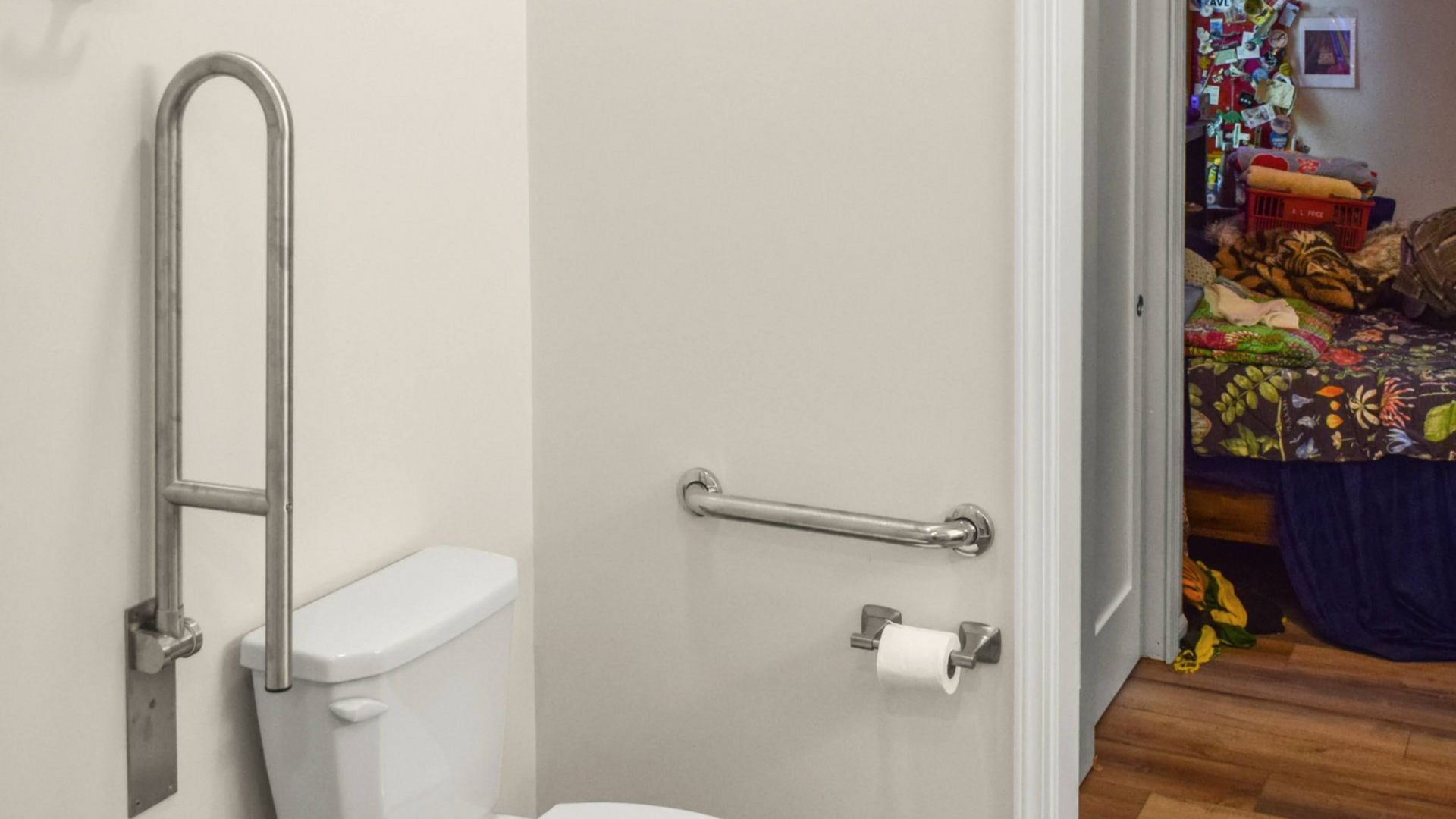
Accessible bathroom stall featuring a toilet with a drop-down grab bar and a wall-mounted grab bar above toilet paper.

Angled and flip-up grab bars for transfers and tight spaces

Angled grab bars, including L-shaped grab bars that provide both horizontal and vertical support for corner transitions, work well when a person's hand moves naturally upward during a transfer. That makes them useful near toilets or shower entries, especially for people with limited leg strength.


Flip-up grab bars help when side support is needed, but floor space is tight. They can be a smart choice for wheelchair users who transfer beside the toilet or tub, and they also give caregivers more room when flipped up. Because these bathtub grab bars carry serious force, they need careful product selection and strong mounting.


What to avoid, what grab bars cost, and how to make sure the installation is safe

Many homeowners see a $30 bar on a store shelf and assume installation should be cheap. That's the wrong way to judge the job, especially when senior safety and bathroom safety are at stake.


A grab bar is a safety device. The bar itself matters, but the installation matters more for preventing bathroom injuries related to mobility limitations.


Red flags to avoid when buying grab bars for an elderly person

Skip anything that looks nice but doesn't list clear safety ratings. Decorative bars can be fine, but only if they are built and tested as true grab bars.


Watch for these common mistakes:

  • Using a towel bar as support (A towel bar is not a grab bar, even if it looks sturdy)
  • Leaving a suction bar in place as a permanent solution
  • Buying a thin bar with no clear 500 lbs capacity rating
  • Picking a slippery finish for a wet shower
  • Ignoring hand comfort and grip diameter


If drilling into walls isn't feasible, consider equipment alternatives like a toilet safety rail, security pole, transfer pole, or clamp-on tub bars. For a wider look at product features and common buying mistakes, these grab bar product comparisons can help. In general, look for ADA-compliant sizing, a tested 500 lbs capacity, and a surface that won't get slick when wet.


Frequently Asked Questions About Grab Bars


What types of grab bars are best for elderly bathrooms?

Screw-mounted, ADA-compliant grab bars win for permanent safety, anchoring into studs or blocking to handle real weight during transfers and standing. They outperform suction cups, which only suit light temporary aid. Prioritize locations like showers, tubs, and toilets where slips happen most.


Are suction cup grab bars safe for full-time senior use?

No, they depend on perfect surfaces and frequent checks, failing under full body weight. Use them only for travel, short recovery, or rentals where drilling isn't possible. Permanent bars provide the dependable support seniors need to prevent falls.


Vinyl-coated vs. stainless steel grab bars: which is better for seniors?

Vinyl-coated steel offers a softer, textured grip that's warmer and more secure when wet, ideal for arthritis or weak hands. Stainless steel is durable and rust-resistant for heavy wear, but can feel slick and cold. Choose vinyl for home comfort, steel for commercial-style strength.


Where should grab bars be placed for maximum safety?

Install straight horizontal bars inside showers and near toilets at 33-36 inches high for push-off support. Add vertical bars at entries and angled or flip-up for transfers in tight spaces. Multiple bars beat a single one for comprehensive coverage.


Why is professional installation recommended for grab bars?

Bathroom walls vary from studs to tile or fiberglass, needing proper anchors or blocking to avoid failure. DIY often misses these, risking falls; pros handle it right for $200-350 per bar. It's a safety investment, not a handyman task.


Why professional installation matters more than most people think

Bathroom walls vary a lot. One home has open stud access behind drywall. Another has porcelain tile over cement board. A third has a fiberglass surround with no backing where the bar needs to go. Each condition changes the time, hardware, and risk, particularly for seniors facing mobility limitations and bathroom injuries.


Simple installs can be quick and offer easy installation. For example, a straightforward job with two bars mounted into studs may only take a little over an hour and cost a few hundred dollars total. Tile jobs often run higher because layout has to be exact, and drilling takes patience; easy installation is a misconception for DIY tile work. If only one bar hits a stud, the others may need specialty anchors rated for the load, often requiring mounting into studs for stability.


The most expensive jobs usually involve fiberglass or hollow walls with no backing. In those cases, installers may need to open the wall from the other side, add blocking, repair drywall, and then mount the bars. That turns a small install into a small remodeling job.


Many contractors also charge a base trip or service fee before labor starts, often around a couple of hundred dollars. From there, basic installs may land in the $200 to $350 per bar range, while tile, specialty anchors, or wall reinforcement can push the cost much higher. If you want a broader view of current product types, this senior bathroom safety resource is a helpful reference.


The safest result usually comes from a pro who understands home access work, not someone treating it like a quick handyman task.


For most elderly adults, the best option is a professionally installed, ADA-compliant grab bar placed where daily support is needed most. Permanent wall-mounted bars win because they offer dependable strength, not guesswork.


In many homes, vinyl-coated bars are the better fit for comfort, grip, and wet-area safety. Stainless steel still makes sense when durability, code-focused products, or a cleaner, modern look matter most.


Start with the person's real movement needs, not the label on the package. If you're planning a safer bathroom or aging-in-place remodel, get expert help and choose the best grab bars for the elderly that you can trust every day.

Steven Speckman, the owner of Speck Designs in front of mountains.

ABOUT THE AUTHOR

The copywriting team at Speck Designs creates the content for the Lakeshore Barrier Free blog. Speck Designs is a creative agency based in Hastings, Michigan that loves helping local businesses grow with clear messaging and strong marketing. Every post is built using SEO and content best practices, with topics people are actively searching for, so readers get helpful answers they can use right away.

TALK TO THE EXPERTS OF LAKESHORE BARRIER FREE TODAY!

We believe that everyone should have access to every area of their home! We work directly with you to make sure that every grab bar, bathroom sink, kitchen countertop, patient lift, and more is at the perfect location for you and your loved ones. Call us at (616) 477-2685 or email us at Info@LakeshoreBarrierFree.com

Share this blog

Portable aluminum wheelchair ramps are displayed in front of a house entrance with steps.
By LBF Team April 15, 2026
Learn how to choose a portable ramp for wheelchair access with the right length, slope, traction, and stability for safer home, curb, and vehicle use.
A person’s hands gripping a metal safety grab bar installed on a white wall.
By LBF Team April 8, 2026
Learn how to prevent falls at home with senior-friendly upgrades like grab bars, tub to shower conversions, non-slip flooring, ramps, lighting, rails, and toilets.
Accessible bathroom featuring a white walk-in bathtub with a grab bar and a toilet equipped with safety support rails.
By LBF Team March 24, 2026
How much does grab bar installation cost in West Michigan? Learn typical price ranges, what affects cost, and why professional placement matters.
Aluminum ramp with handrails leading to a deck outside a house.
By LBF Team March 18, 2026
Need fast, safe access? Wheelchair ramp rentals in Grand Rapids, Michigan include delivery, setup, and removal, with tips on slope, rails, and cost.