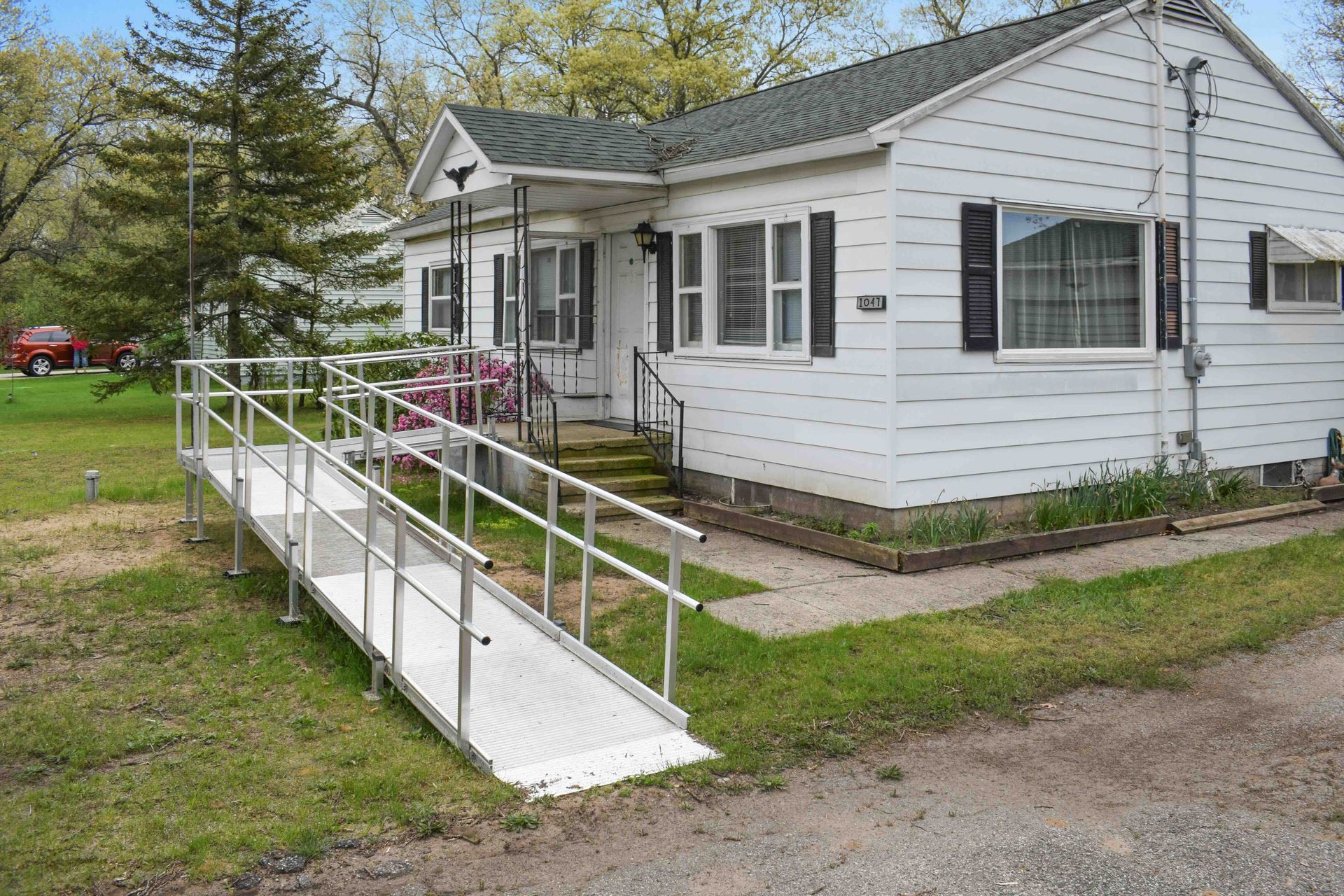
How to Choose a Portable Ramp for Safe Wheelchair Access

LBF Team • April 15, 2026

A single step can block a wheelchair accessible entrance and turn a normal day into a hard one. If you need to get over a porch step, curb rise, threshold, or vehicle entry, a portable wheelchair ramp can make life easier without waiting for a full remodel.


That said, not every portable ramp is a good fit. The right choice depends on the rise, your wheelchair or scooter, the person using it, and who will carry or set it up. This guide is for wheelchair users, caregivers, and families planning home access changes who want a safer, more practical answer.


Lakeshore Barrier Free is a supplier and installer of National Ramp, and their Freedom Series is amazing!

Key Takeaways

  • Portable wheelchair ramps excel for temporary access, like one or two steps, curbs, porches, or vehicle entry, but opt for permanent solutions for heavy daily use, steep rises, or long-term aging in place.


  • Always measure the vertical rise first to select the right length for a safe 1:12 slope ratio, ensuring easier control and less strain for users and caregivers.


  • Prioritize stability with high-strength aluminum, nonslip traction surfaces, edge guards, and adequate weight capacity that covers user, device, and gear.


  • Choose ramp style by need: single-fold for simple home use, telescoping for vehicles, roll-up for travel, or multi-fold for longer portable lengths.


  • Consider Michigan weather with grit-coated traction, ease of setup by caregivers, and storage fit before buying to avoid real-life mismatches.

Are you looking for an expert resource in accessible spaces, special modifications for persons with mobility challenges, wheelchair accessibility, and more? Contact Lakeshore Barrier Free today.

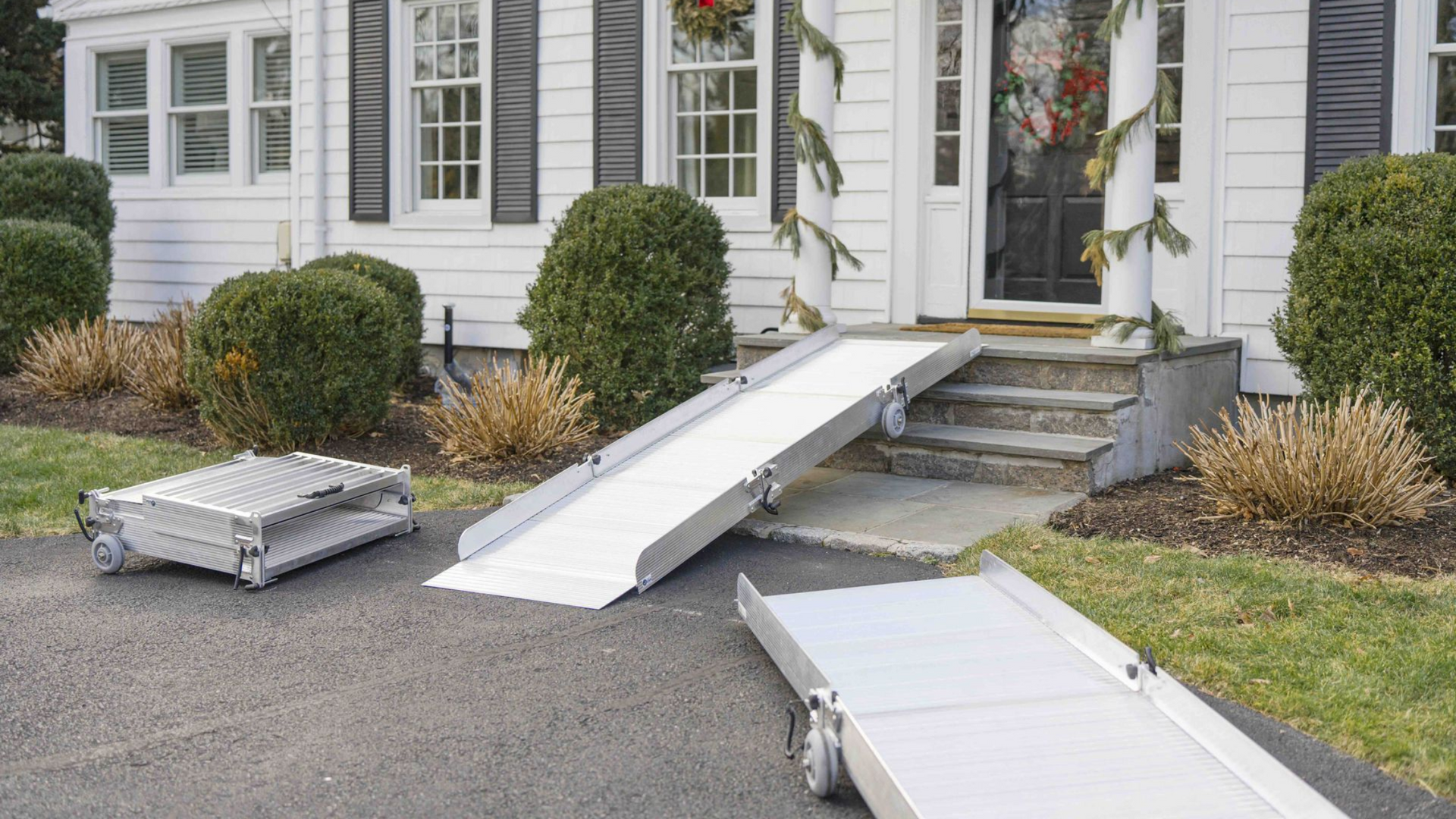
Portable aluminum ramps are displayed outside a home, with one ramp installed on the front steps and two others resting nearby.

What a portable wheelchair ramp is best for, and when it may not be enough

A portable wheelchair ramp is lightweight and made to move, store, and reuse in different places. Some are folding wheelchair ramps that fold like a suitcase. Others are telescoping ramps, roll up, or come apart into lighter sections. Because of that, they provide temporary accessibility when your access needs may change.


These ramps often help with one or two steps, threshold ramps for door thresholds, curbs, porches, and vehicle loading. They also help when you travel or visit family. For many households, that flexibility is the main benefit.


Still, portable ramps have limits. A steep rise can make even a strong ramp feel unsafe. Daily use at a main entrance can also wear on both the ramp and the people handling it. If rain, snow, or ice are common, you may need something more stable. Recent 2026 wheelchair ramp guides also point out that portable models fill a real need, but they are not always the best answer for long, repeated home access.


Good situations for a portable ramp

Portable ramps make sense when access is temporary, changing, or hard to predict. For example, they can work well for travel, short visits, rental homes, or recovery after surgery. They are also useful while waiting for a permanent ramp or larger remodel.


If you only need access at one doorway now and then, a portable model may be enough. The same goes for a caregiver who needs a ramp for outings, curb access, or getting into a van or SUV. In those cases, a ramp that folds, stores easily, and fits in a car can save time and lower stress.


Signs you may need a permanent ramp instead

Some homes ask more from a ramp than a portable model can give. If the main entrance has several steps, heavy daily traffic, or users who need rails, a residential wheelchair ramp or modular wheelchair ramp is often the safer choice. The same is true when a caregiver pushes a chair up and down every day.


A long-term setup also makes more sense for aging in place. If your goal is to stay in the home for years, think beyond the step at the door. A wider landing, safer path, and better layout may matter just as much as the ramp. In other words, a portable ramp can solve today's problem, while a permanent one may better support tomorrow's routine.


How to pick the right ramp length, width, and weight capacity

The biggest mistake is buying by step count alone. What matters is the vertical rise, which is the height from the ground to the top surface you need to reach. Two homes can each have two steps, yet need different ramp lengths.


You also need enough width for the mobility device. Check the wheelchair or scooter at its widest point, then allow room for hands, footrests, and side clearance. Weight capacity matters too. Many portable ramps hold 600 pounds or more, while some premium models go higher. Always check the ramp's weight capacity, then count the user, the chair, and any gear together to ensure it covers the total.


Why ramp length matters for safety and ease of use

A longer ramp usually creates a gentler slope. That means less strain, better control, and a safer feel for both the user and the caregiver. A short ramp may look easier to carry, but it can become too steep too fast, exceeding the recommended 1:12 ratio safety standard for slope.


If a ramp feels like a quick climb instead of a smooth path, it's probably too short.


That matters even more for power wheelchairs and mobility scooters, which are heavier and need stable transitions. Consumer roundups such as this portable travel ramp roundup often stress the same point: length and slope matter more than bargain pricing.


How to measure before you buy

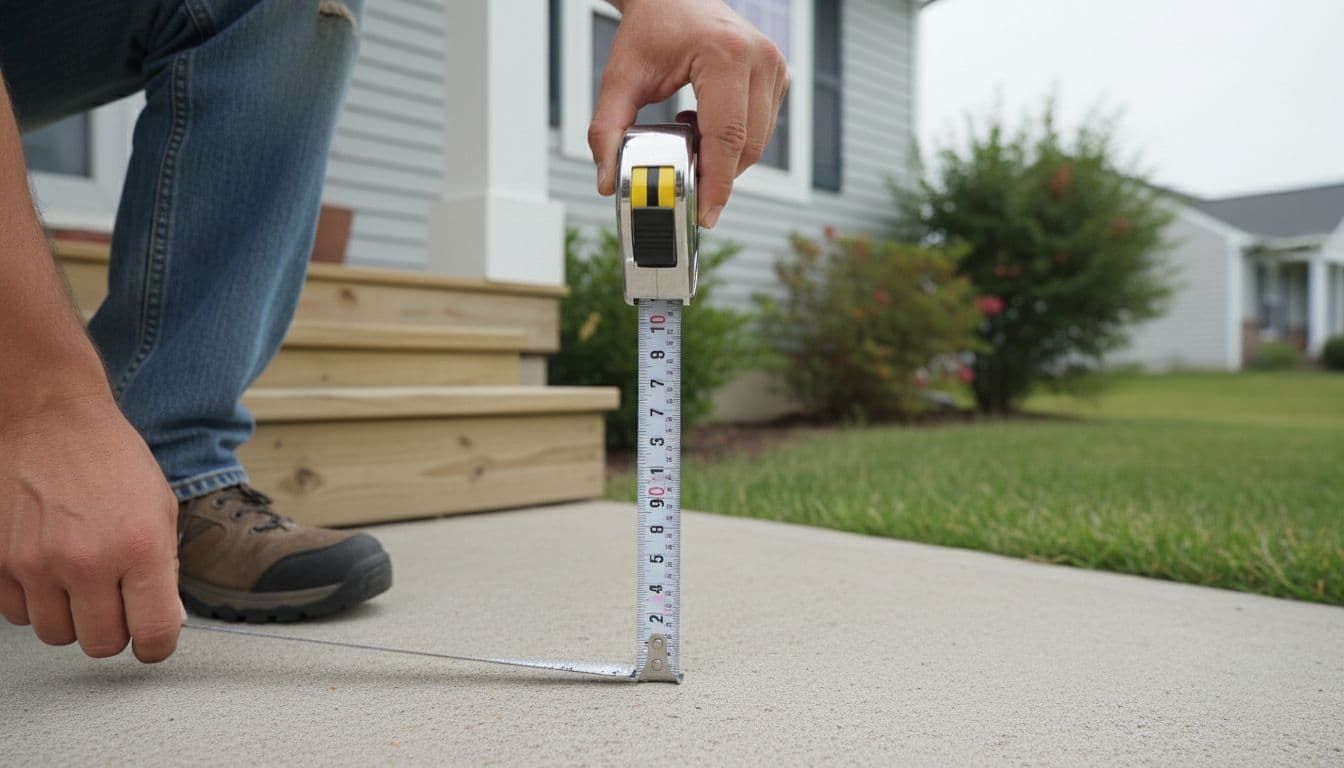
Measure from the ground up to the top of the threshold, porch, or vehicle floor to get the rise. Then check how much flat space you have at both ends. A ramp needs a stable landing, not just a place to touch down.


Also measure the doorway width and the area where the ramp will sit when folded or stored. Think about the mobility device, too. A manual wheelchair, power wheelchair, walker, and mobility scooter all place different demands on slope, width, and setup.


Finally, consider the human side of the job. Who will lift the ramp? Who will unfold it in bad weather? Where will it ride in the car? Those answers often narrow the field faster than specs do.


A person uses a tape measure to check the height of a concrete step near a house entrance.

Features that make a portable ramp safer and easier to use

Marketing can make many ramps sound alike, yet small design details change how safe a ramp feels in daily life. Material, traction, edge protection, and how solid the ramp feels under load all matter.


Many better portable ramps use high-strength aluminum because it keeps weight manageable without feeling flimsy, much like a quality aluminum wheelchair ramp. Some newer multi-fold models also break into sections without tools, which can help when a full-length ramp is awkward to carry. Across recent portable ramp comparisons for 2026, the better-rated options tend to balance portability with a more secure feel under the wheels.


Stability matters more than the lightest weight

A super-light ramp may sound appealing until it flexes under a chair. That bounce can shake confidence right away. For wheelchair users, scooter users, and even people with walkers or canes, less wobble often means safer movement.


The best product information in this category keeps returning to the same idea: a strong aluminum frame should feel steady, not springy. Some premium folding ramps use the same grade of aluminum found in larger modular systems, which helps cut down on flex. That kind of firmness can make a ramp feel less like a temporary workaround and more like a reliable tool.


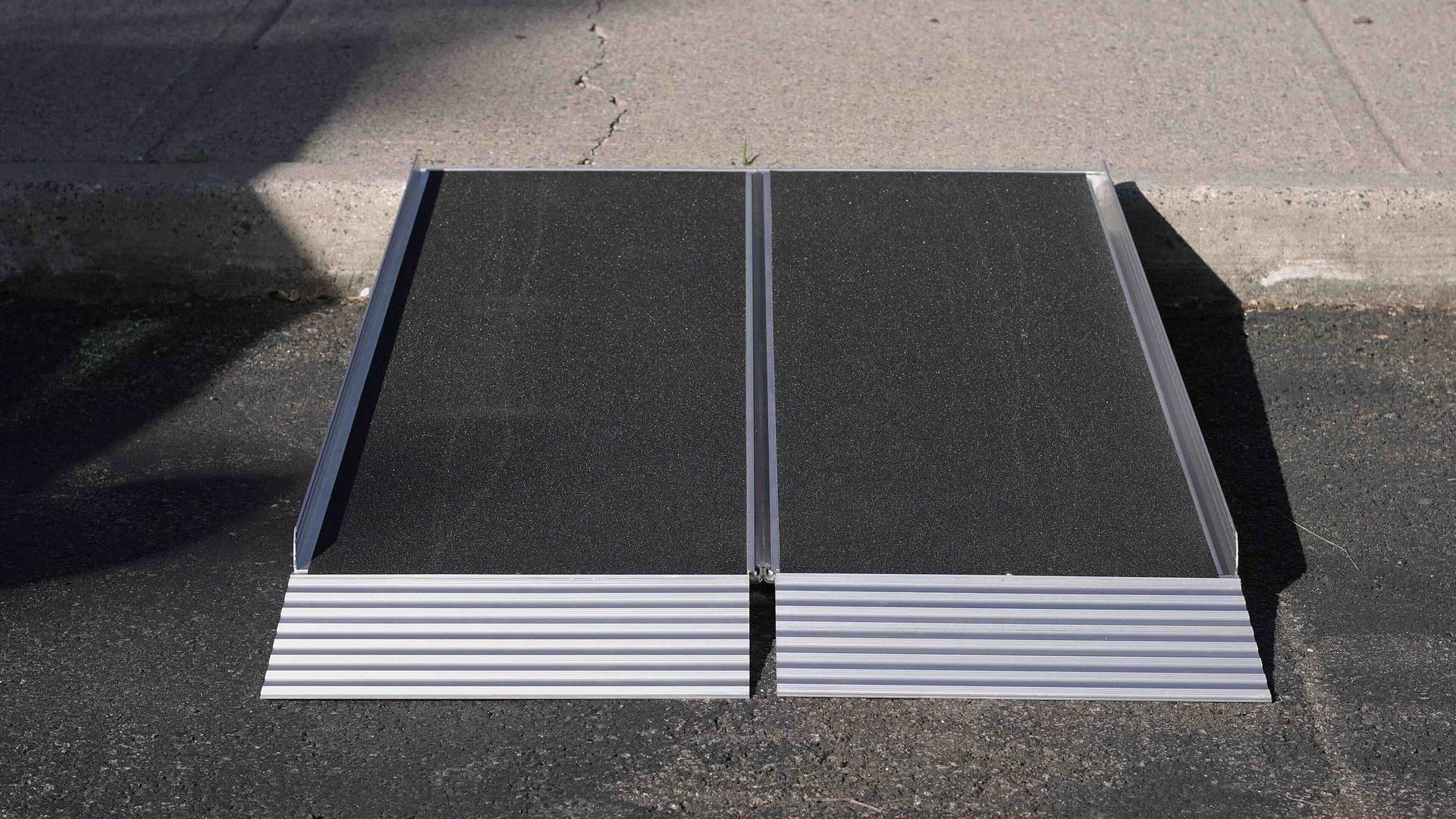
A portable two-piece aluminum wheelchair ramp with a black non-slip surface, resting against a sidewalk curb.

Surface grip, edge protection, and secure placement

Traction is not a small detail, especially in Michigan. Wet leaves, rain, slush, and freeze-thaw cycles can turn a smooth ramp into a hazard. A nonslip surface helps the user stay in control, while a transition plate with a high-traction surface helps wheels roll on and off without catching.


Edge protection matters too. Raised side guards help keep wheels from slipping off the ramp. Some portable designs use a higher toe guard than standard consumer models, which adds a margin of safety. It also helps when users have limited hand strength or small steering corrections.


Another smart feature is traction milled into the aluminum itself. That tends to last longer than glued-on grip layers, which may peel or wear down over time. Look for carry handles, reflective strips, and secure attachment points as well, because those details matter once the ramp leaves the showroom.


Comparing single-fold, telescoping, roll-up, and multi-fold portable ramps

Ramp style affects setup, storage, and comfort. This quick comparison helps sort the main options.

Ramp style Best use Main tradeoff
single fold Doorways, one or two steps, general home use Bulkier when folded
Telescoping tracks Vehicles, narrow storage spaces Less forgiving wheel placement
roll-up ramp Travel and compact storage Setup can take longer
multi-fold Longer lengths with easier transport More parts to manage

Which ramp style fits your home, car, or travel routine

Single-fold ramps are common because they are simple. You unfold them, place them, and get moving. For porch steps or a front entry, that ease helps, and many include a carrying handle for effortless transport. Telescoping models fit well in a trunk and often suit vans or SUVs, especially when storage space is tight. Their lightweight design enhances portability.


Roll-up ramps store neatly and work well for travel, though setup may take more time. They provide a lightweight option ideal for compact storage. Multi-fold designs make longer aluminum wheelchair ramps realistic for everyday transport. Some even separate without tools, which reduces lifting strain while offering a sturdy feel. If you're weighing portable versus fixed solutions, this broader wheelchair ramp guide gives helpful context on where each type fits.


What to expect for price and portability in 2026

As of April 2026, national price trends show portable wheelchair ramps running from about $45 up to $800. Most top-selling short folding models still sit under $100. Mid-length ramps often fall between $90 and $250, while longer ramps and specialty designs climb well above that.


Price, however, doesn't tell the whole story. As ramps get longer, they usually get heavier too. So the best value is not always the cheapest option. A portable wheelchair ramp that costs more but fits your rise, feels stable, and works with your routine may save you from a costly mistake.


Frequently Asked Questions About Portable Wheelchair Ramps


How do I measure the right ramp length?

Measure the vertical rise from ground to the top surface, like a porch or threshold, not just step count. Allow space for stable landings at both ends and check your mobility device's width plus clearance. A longer ramp creates a gentler, safer 1:12 slope for better control.


When should I choose a portable ramp over a permanent one?

Portable ramps suit temporary needs like travel, short visits, recovery, or rentals where flexibility matters. Switch to permanent if facing multiple steps, daily heavy use, need for rails, or long-term home access. They offer more stability in weather and reduce caregiver strain over time.


What safety features matter most in a portable ramp?

Look for high-strength aluminum that feels steady without flex, nonslip traction surfaces for wet or icy conditions, raised edge guards, and secure transitions. These prevent slips, wobbles, or wheel drops, especially vital in Michigan's variable weather. Stability trumps lightest weight for real confidence.


How do single-fold, telescoping, and other ramp styles compare?

Single-fold ramps are simple for doorways with carrying handles, but are bulkier when stored. Telescoping suits vehicles and tight storage, but needs precise wheel placement. Roll-up is compact for travel yet slower to set up; multi-fold handles longer lengths by separating into parts without tools.


What is the typical price range for portable ramps in 2026?

Prices start around $45 for short folding models, $90-$250 for mid-length, up to $800 for longer or specialty designs. Value comes from fitting your rise, stability, and routine, not just the lowest cost. Longer ramps weigh more, so balance portability with safety.


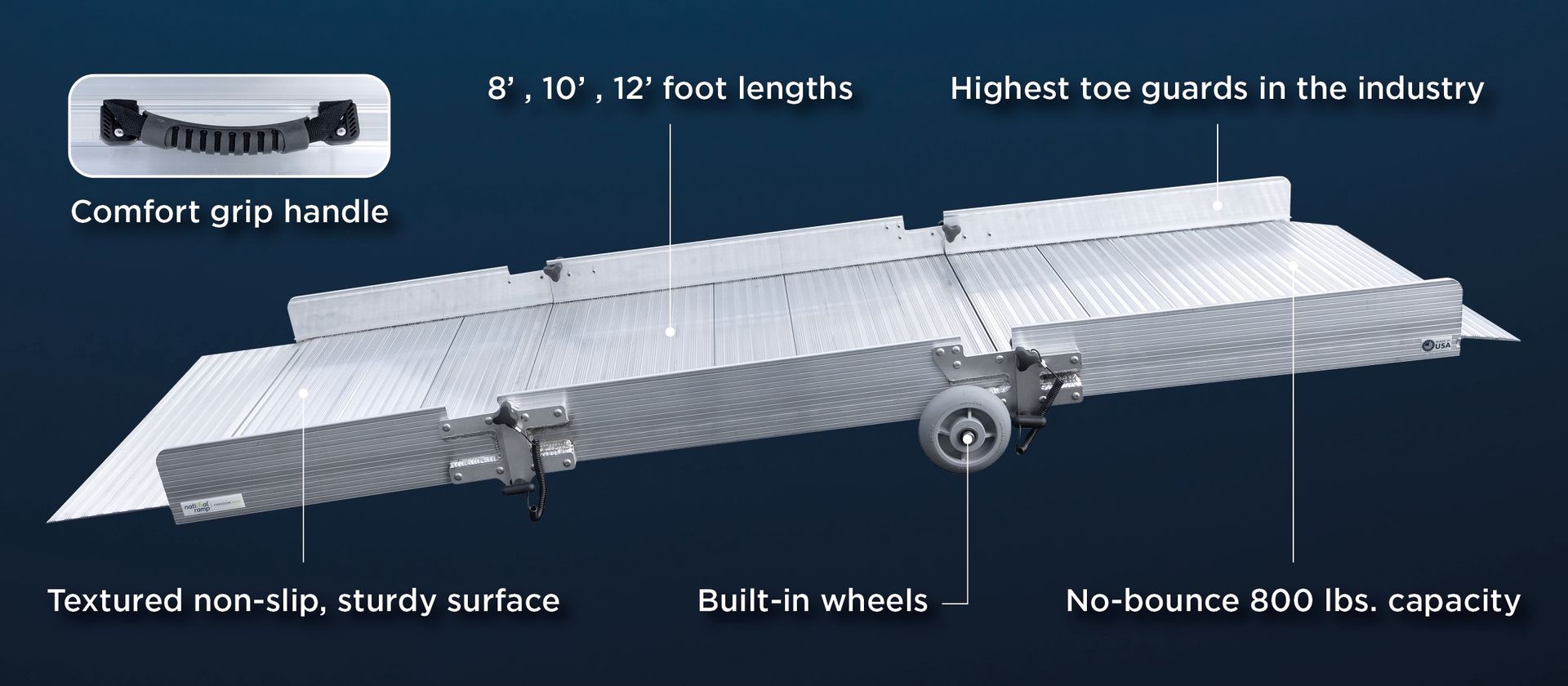
A silver, multi-section portable ramp for wheelchairs, featuring textured, non-slip surfaces, side guards, and wheels.

Portable ramp buying tips for Michigan homes and changing mobility needs

Michigan homes often come with raised porches, older entry layouts, and weather that changes fast. Because of that, portable ramps can be helpful during recovery, after a new diagnosis, or while families decide on a larger home update. They can also support a short-term plan in a rental or seasonal home.


Still, the ramp is only one piece of access. You also need enough landing space, a clear door swing for a wheelchair accessible entrance, safe flooring that meets ADA-compliant standards, and a layout that lowers fall risk inside the home. For many families, the real goal is not simply getting through the door. It's moving through the house with less effort and more confidence.


Questions to ask before you order or rent a ramp

Before you buy, slow down and ask a few plain questions:

  • How often will this ramp be used each day?
  • Who will carry, place, and store it, considering easy setup for everyday users?
  • Does it need to fit in a car, van, or closet?
  • Will the surface be wet, snowy, or icy?
  • Is this a short-term fix, or could the home need a permanent ramp later?


Those answers can help you avoid a ramp that looks good online but doesn't fit real life. Residential users often prefer portable options over a commercial wheelchair ramp because they offer flexibility without major installation.

The best portable ramp for wheelchair access is the one that fits your rise, device, and daily routine without adding risk. For Michigan weather, strong materials, steady construction, a grit coat for built-in traction, and proper sizing matter more than glossy claims.


Start by measuring the entry and the landing space. If the setup may become a long-term need, schedule an in-home assessment with an accessibility professional before you buy. The right portable wheelchair ramp makes safe access simple and reliable.

Steven Speckman, the owner of Speck Designs in front of mountains.

ABOUT THE AUTHOR

The copywriting team at Speck Designs creates the content for the Lakeshore Barrier Free blog. Speck Designs is a creative agency based in Hastings, Michigan that loves helping local businesses grow with clear messaging and strong marketing. Every post is built using SEO and content best practices, with topics people are actively searching for, so readers get helpful answers they can use right away.

TALK TO THE EXPERTS OF LAKESHORE BARRIER FREE TODAY!

We believe that everyone should have access to every area of their home! We work directly with you to make sure that every grab bar, bathroom sink, kitchen countertop, patient lift, and more is at the perfect location for you and your loved ones. Call us at (616) 477-2685 or email us at Info@LakeshoreBarrierFree.com

Share this blog

A person’s hands gripping a metal safety grab bar installed on a white wall.
By LBF Team April 8, 2026
Learn how to prevent falls at home with senior-friendly upgrades like grab bars, tub to shower conversions, non-slip flooring, ramps, lighting, rails, and toilets.
Accessible bathroom featuring a white walk-in bathtub with a grab bar and a toilet equipped with safety support rails.
By LBF Team March 24, 2026
How much does grab bar installation cost in West Michigan? Learn typical price ranges, what affects cost, and why professional placement matters.
Aluminum ramp with handrails leading to a deck outside a house.
By LBF Team March 18, 2026
Need fast, safe access? Wheelchair ramp rentals in Grand Rapids, Michigan include delivery, setup, and removal, with tips on slope, rails, and cost.
Hallway with handrails, bulletin board, whiteboard, wood flooring, and various doors.
By LBF Team March 11, 2026
See 7 signs your group home needs accessibility upgrades, from tight doorways to unsafe bathrooms, ramps, flooring hazards, transfers, and inspection warnings.