What to use when there are no studs where you need them
No studs in the right spot in hollow walls doesn't mean the project is dead. It means the mounting method has to match the wall and the job.
Some walls can take specialty anchors. Some need added blocking. Some need access from the backside to build real support. That's why "Can this be done?" is only half the question. The better question is, "Can this be done safely?"
Specialty anchors for hollow drywall
In some cases, yes, quality anchors can work when no stud is available. The keyword is quality.
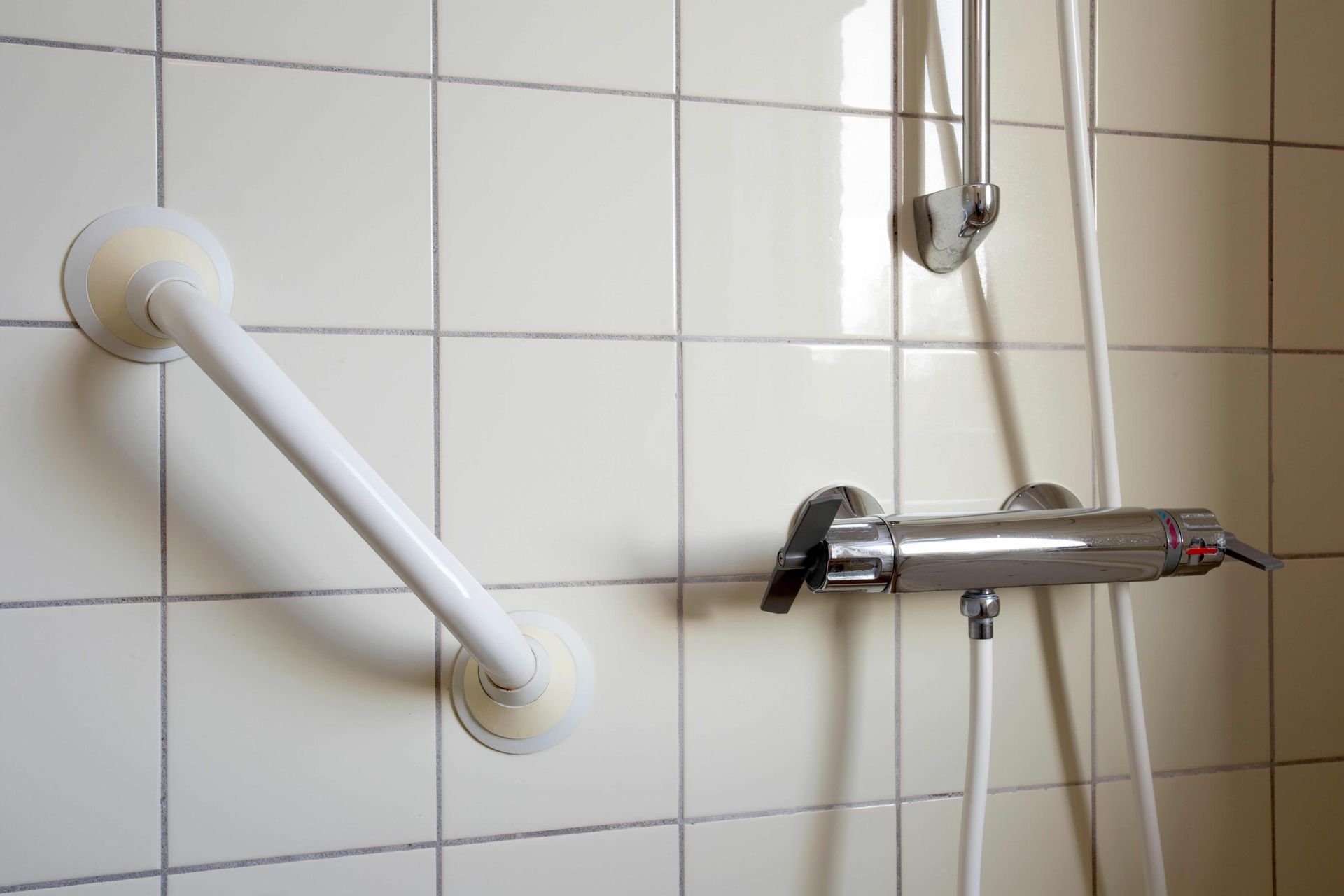
Basic plastic wall plugs are not the answer for safety equipment. Stronger anchoring devices designed for hollow wall anchoring, such as SecureMount technology, heavy-duty toggle anchors, or grab bar-specific wall anchors, spread the load better and are made for this kind of use. Lowe's even notes that
heavy-duty toggle-bolt anchors may be used when studs aren't available, depending on the wall setup.
Still, not all no-stud walls are equal. Drywall, tile over drywall, and old plaster behave differently. So do the fasteners.
Horizontal blocking or backer boards for the strongest no-stud option
If the wall is open, or can be opened and repaired, horizontal blocking or backer boards are usually the best no-stud solution for a
home modification project.
Horizontal blocking means adding lumber between the studs so the grab bar can be mounted exactly where it needs to go. That gives you a solid mounting point across a wider area. It's a smart move during a remodel, and it's often the cleanest long-term answer when the bathroom needs serious accessibility work anyway.
On real jobs, this can turn a simple install into a small wall repair project. That's normal. A fiberglass tub surround with no backing may require opening the wall from the next room, adding 2x blocking, then patching drywall before the bars go in.
Why adhesive-only grab bars are not the best safety choice
Adhesive products look easy. That's part of the problem.
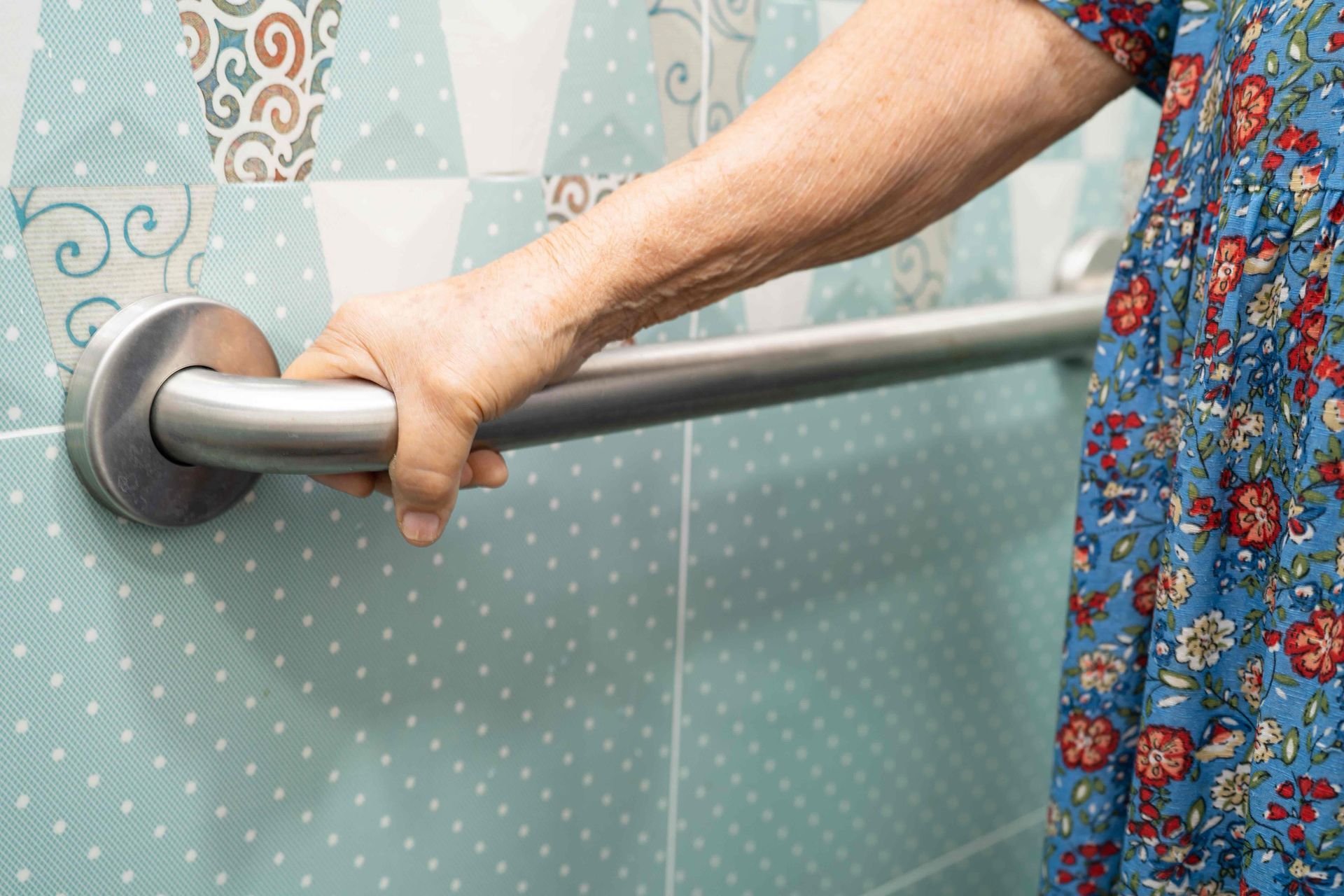
If someone may trust that bar with their full weight, adhesive mounting is not the safest bet.
They may be fine as a light balance aid in the right setting, but they are not the first choice for transfers, fall prevention, or everyday support. When the moment matters, you want a mechanical fastening into something solid.