Cost, timing, and the rental process: What to expect in Grand Rapids
A ramp rental feels easier when the process is predictable. In most cases, it goes like this:
- You contact a provider
- They conduct a site assessment
- They schedule delivery and setup
- After that, they handle professional installation
- You pay until you no longer need the ramp
- Then the company removes it
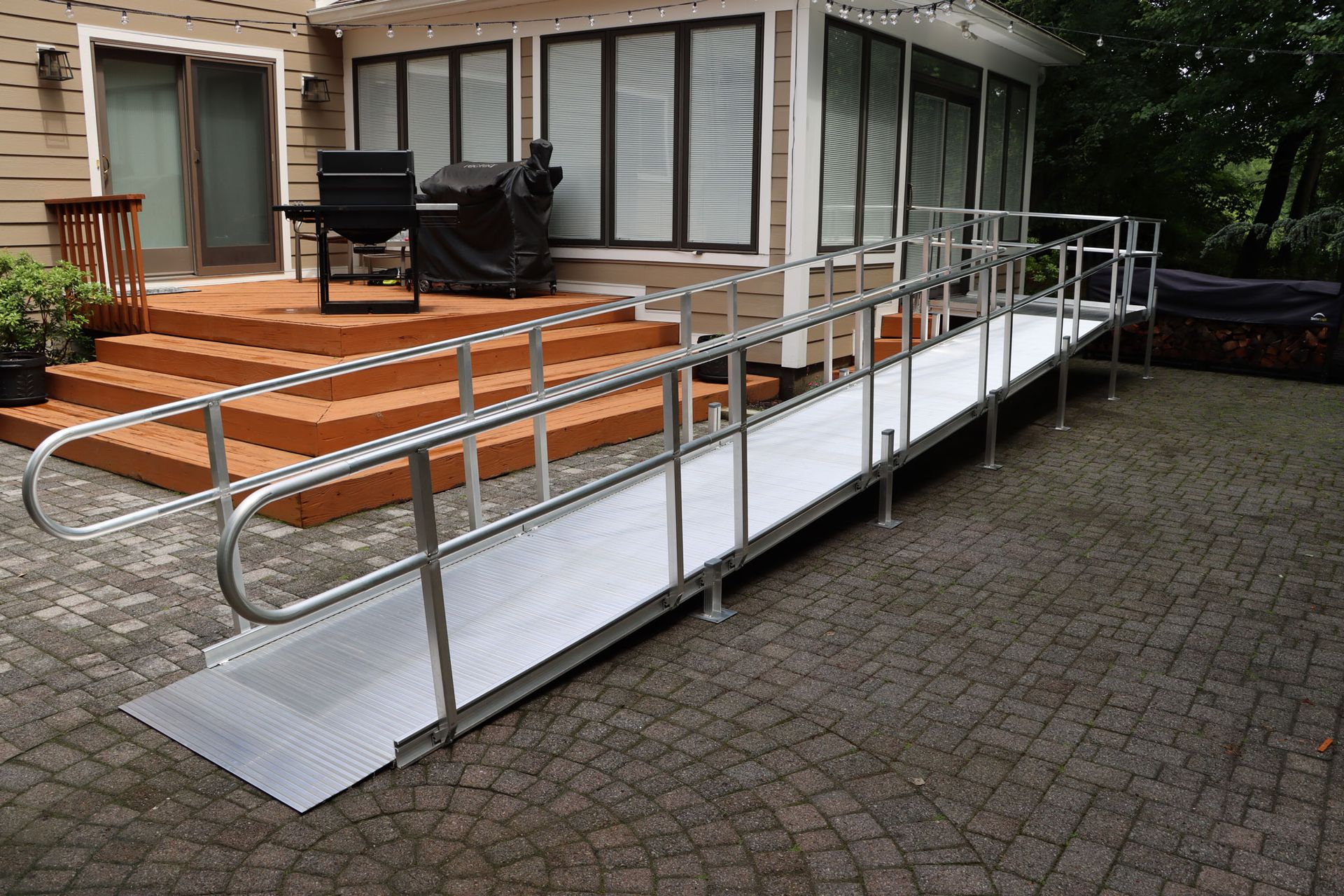
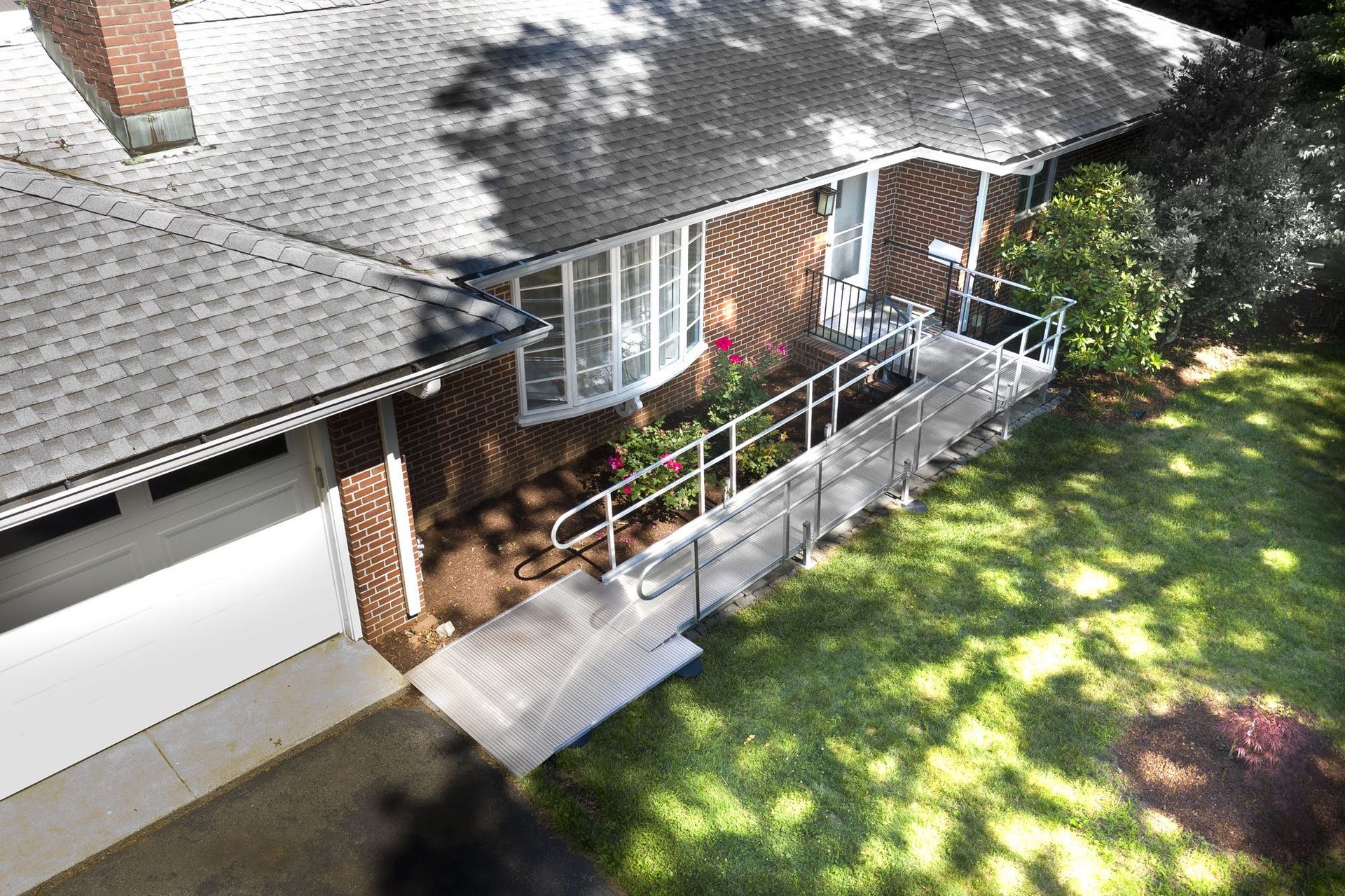
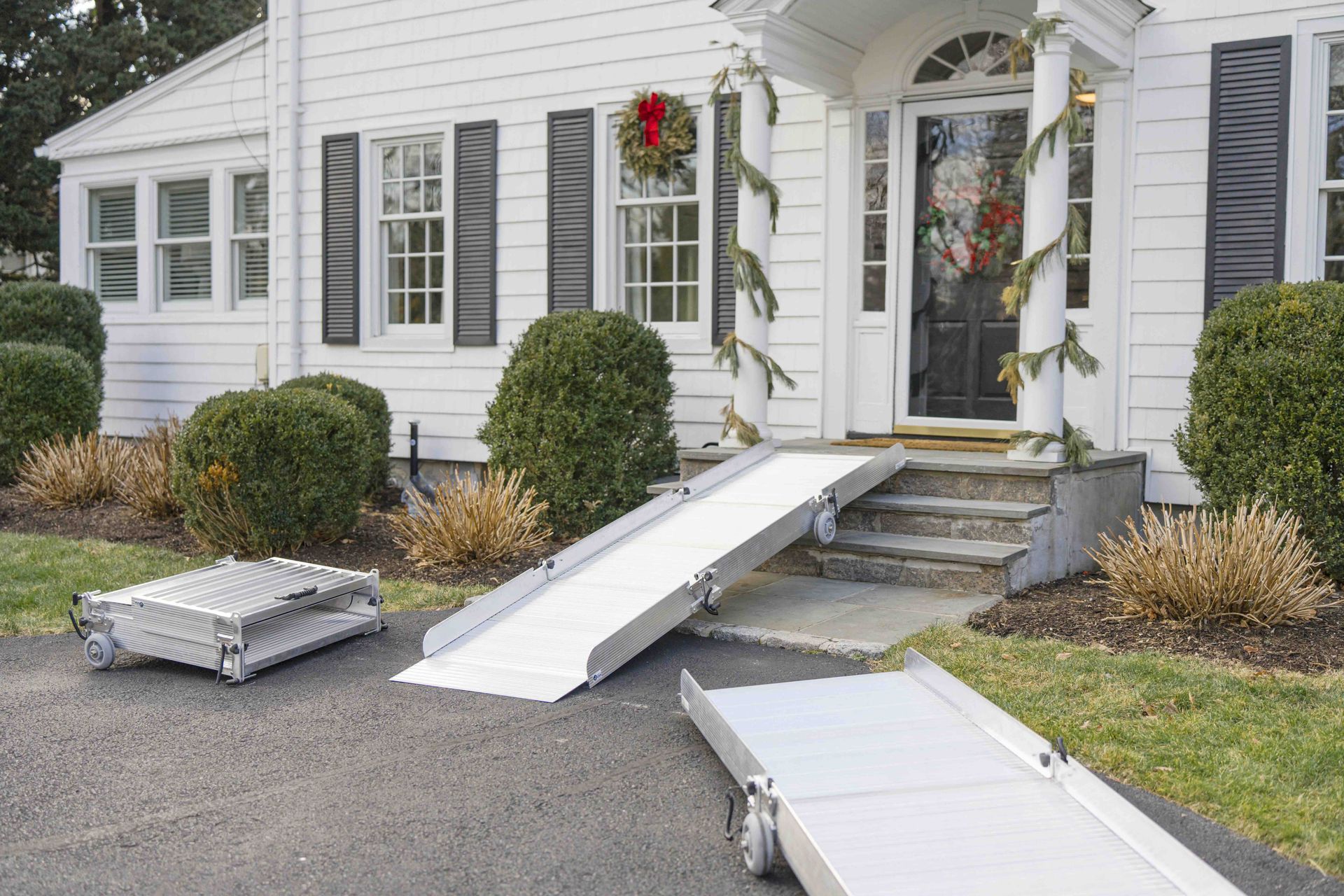
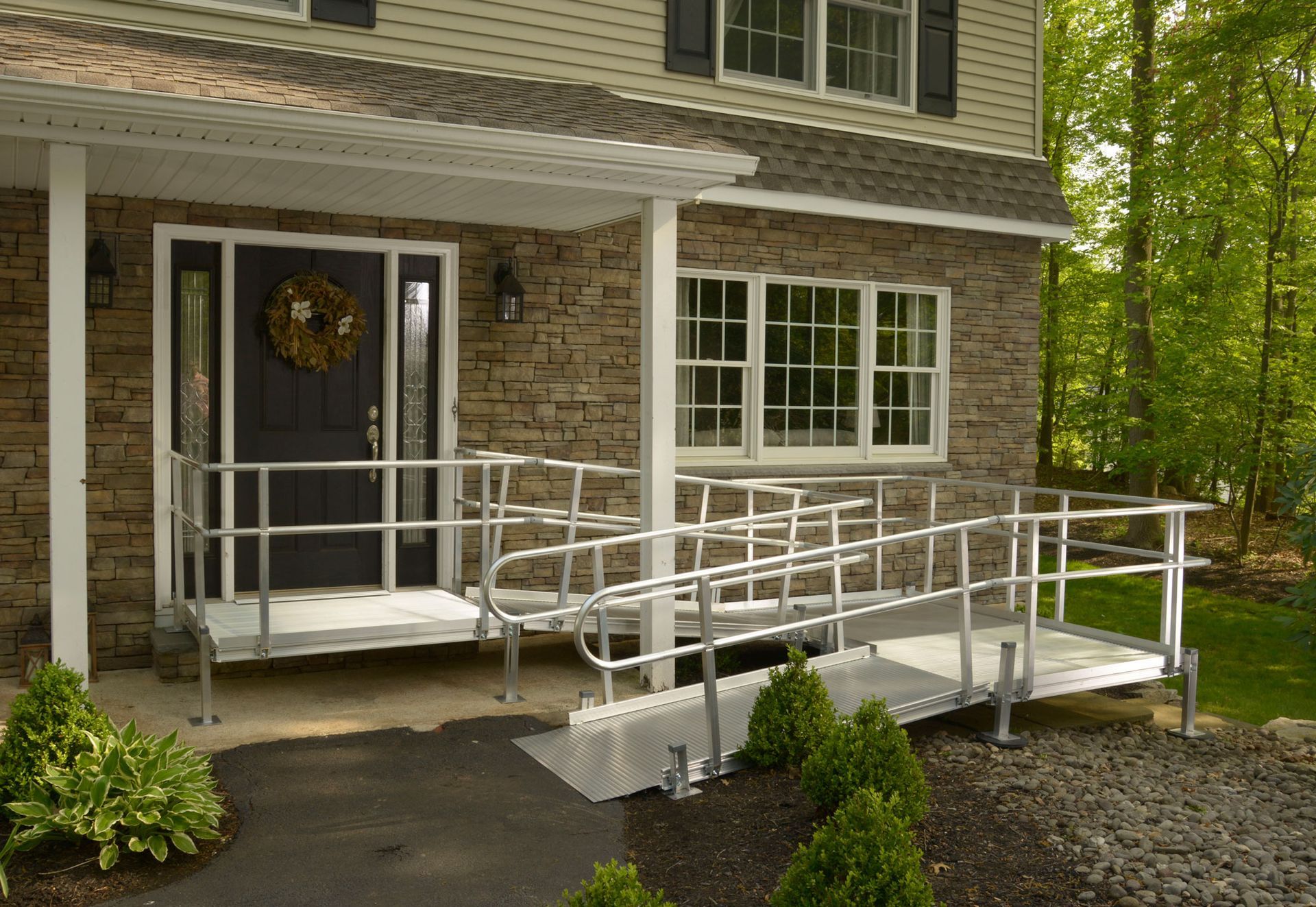
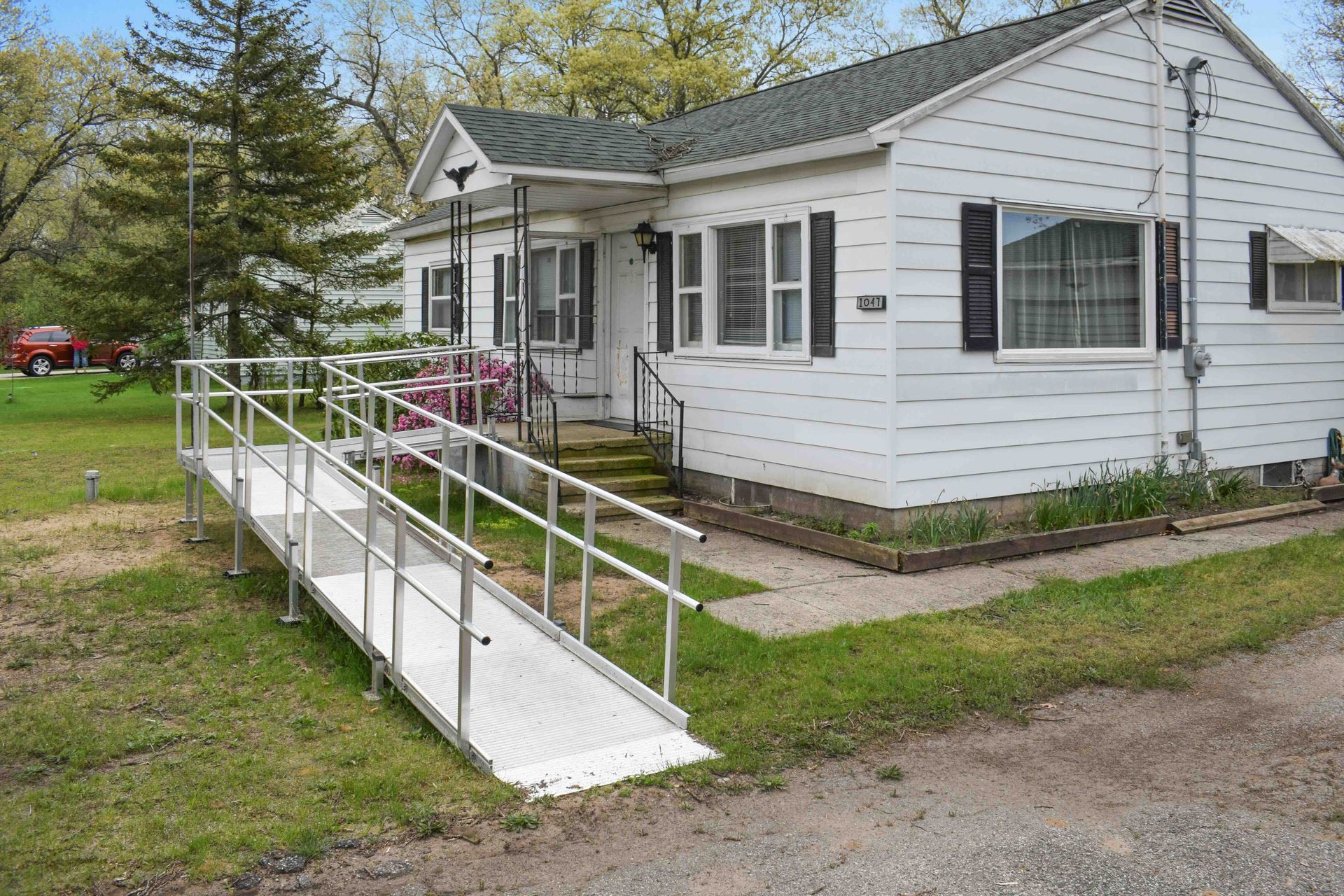
Prices vary because ramps aren't one-size-fits-all. A short scooter ramp to clear one or two steps costs less than a long switchback scooter ramp with multiple landings and full handrails. The ground surface also matters. Grass, gravel, and uneven pavers can require more leveling and support.
Instead of hunting for a "standard price," plan to get a quote after measurement. That quote should spell out what's included, the rental duration, and how removal works.
Typical wheelchair ramp rental prices and what changes the total
In West Michigan, you may see advertised starting points around $200 per month for basic residential ramps, but real totals depend on the layout. Treat any starting number as a baseline, not a promise.
Factors that usually change the price include ramp length, number of landings, handrails, and installation time for scooter ramps. Delivery distance and site challenges can also affect cost.
Some companies offer discounts in certain cases (for example, for veterans), but discount rules vary. It's worth asking, as long as you don't count on it.
If you want a local example of what's offered in the area, the
Patriot Ramp Rental Grand Rapids ramp rental page describes temporary rentals and installation across Michigan.
How quickly can a ramp be installed, and what info does a provider ask for
Timelines depend on inventory and how complex your entrance is. Still, many providers can move quickly once they've measured and confirmed the right parts. If a discharge date is close, say that on the first call.
To speed things up, be ready to share:
- The address and the entrance you plan to use
- A few photos of the steps and landing (taken from the side and front)
- The rise measurement, or the number of steps and step height
- What surface the ramp will sit on (concrete, pavers, grass, gravel)
- The mobility device (manual wheelchair, power chair, scooter ramp, walker)
- Any tight spots (fences, railing posts, narrow sidewalks, door swings)
Clear photos can prevent wasted trips and incorrect ramp sizing, particularly for scooter ramps.
Delivery, setup, and removal: Who does what
Most ramp rental providers handle delivery, assembly, and leveling, then do a safety check before they leave. When the rental ends, they remove the ramp and haul it away.
Homeowners and caregivers still play a key role day to day. Keep the ramp clear, report wobbles or shifts, and avoid DIY home modifications. Even small modifications can weaken a connection point or change the slope.
A good provider will also explain how to use the ramp safely, including where to pause, how to approach turns, and when a helper should assist.
Grand Rapids weather checklist for winter traction and stability
Winter creates its own set of ramp problems in Michigan communities. Ice can form first at the bottom landing, where melting snow refreezes. In addition, wet gloves can slip on cold rails.
A simple routine helps prevent falls:
- Shovel or broom off snow early, before it packs down.
- Check the bottom landing for ice, since it's easy to miss.
- Use traction aids as advised (often sand or a traction mat).
- Keep handrails dry when possible, because grip matters on slopes.
- Choose de-icing products that won't corrode surfaces, and ask your provider what they recommend.
If the ramp ever feels slick, treat it like a wet sidewalk. Slow down, use help, and don't rush the turn.