Walk-In Shower vs Tub-to-Shower Conversion in Michigan (2026 Costs, Layout Options, and What to Expect)

LBF Team • February 11, 2026

A bathroom can feel like a safe place until the tub wall turns into a daily obstacle. If you use a wheelchair, steady yourself with a walker, or live with a disability that makes stepping over a tub risky (especially older adults), the right shower setup isn’t about style first; it’s about accessibility and independence.


Michigan homeowners planning a 2026 remodel usually land on two paths: a full walk-in shower build, or a tub-to-shower conversion that replaces the tub in the same footprint. Both can work well, but they don’t fit the same homes, budgets, or mobility needs.


Below is a clear comparison, real 2026 price ranges for Michigan, layout options for barrier-free access, and the practical stuff you’ll want to know before the first day of demo.

Key Takeaways

  • A tub-to-shower conversion in Michigan replaces the tub in the same footprint (often a 60-inch alcove), which usually keeps plumbing in place and helps control costs and timelines.


  • A walk-in shower can be an alcove shower or a larger, more open layout with a low-threshold entry. Costs rise fastest when you expand the footprint or build a curbless (roll-in) entry.


  • In Michigan, a realistic 2026 planning range for either option is about $8,000 to $25,000+, especially with one-day installation and lifetime warranty options, higher totals tied to drain moves, premium waterproofing, and curbless floor work.


  • For wheelchair users seeking accessibility and aging in place, a roll-in shower typically needs a wider entry (often about 36 inches clear), space to reposition, a handheld shower, a stable seat, and grab bars anchored into framing or solid blocking.


  • Water control and traction matter in Michigan winters. Plan for proper slope and drainage, slip-resistant flooring, handheld fixtures, and a quality exhaust fan to manage humidity.

Are you looking for an expert resource in accessible spaces, special modifications for persons with mobility challenges, wheelchair accessibility, and more? Contact Lakeshore Barrier Free today.

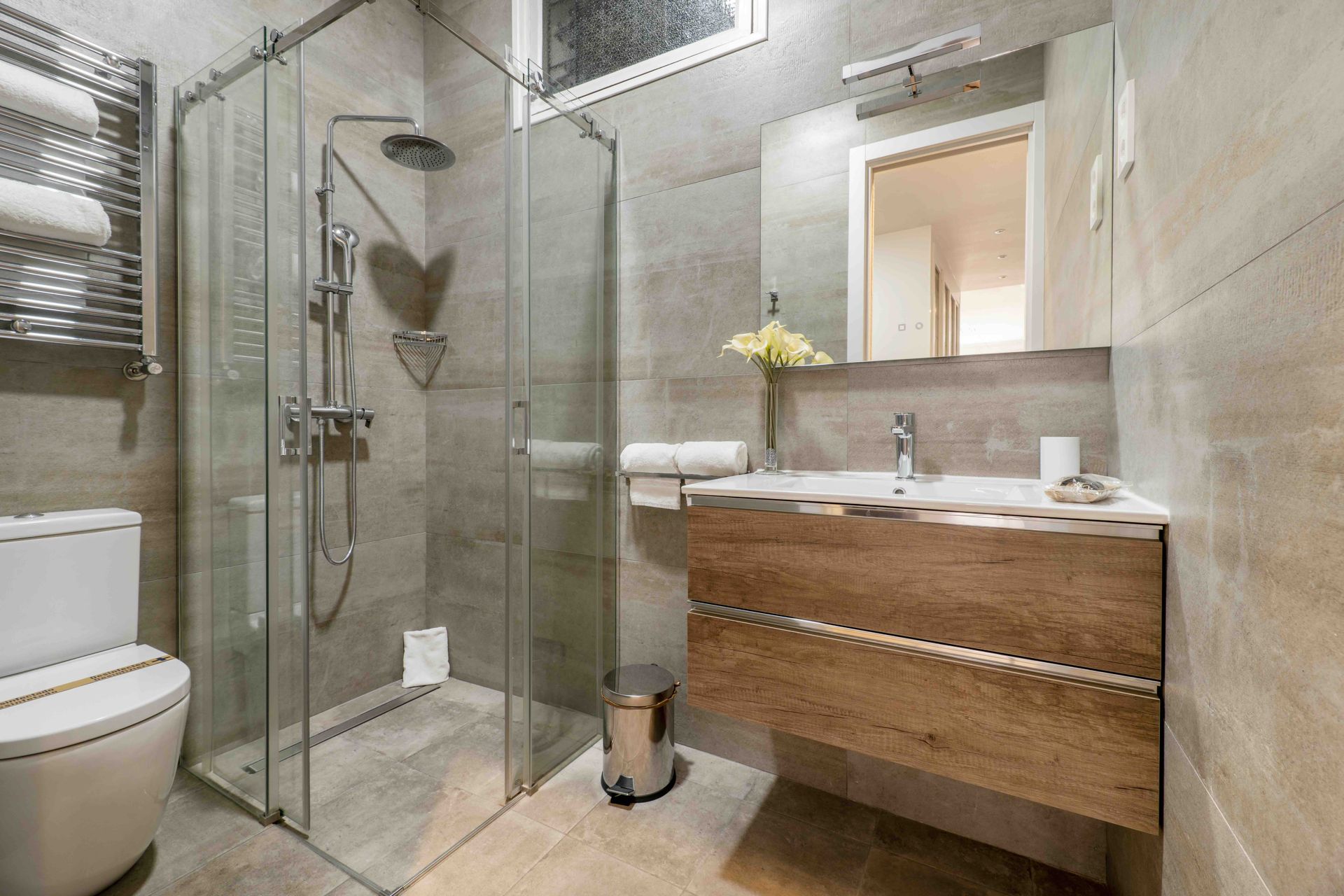
Modern bathroom with glass shower, wooden vanity, and toilet. Gray tile walls.

Walk-in shower vs tub-to-shower conversion: what’s the real difference?

A tub-to-shower conversion removes a bathtub and installs a shower where the tub was. In many Michigan homes, that means keeping plumbing in roughly the same spot and using the existing alcove size (often about 60 inches long). It’s popular because it can be faster and more predictable than reworking the whole room.


A walk-in shower offers a modern design and can mean different things. Sometimes it’s still an alcove shower with a door. Other times it’s an open shower with a wider entry, more floor space, and low-threshold shower bases featuring a curbless threshold designed for roll-in access. That second version is where costs and construction details change quickly.


For a plain-language comparison of bathing options and mobility tradeoffs, see walk-in showers vs walk-in tubs.

TOPIC WALK-IN SHOWER (CUSTOM OR EXPANDED) TUB-TO-SHOWER CONVERSION (SAME FOOTPRINT)
Footprint Can be enlarged for better entry and turning Stays close to tub size, usually 60-inch alcove
Best fit Age-in-place plans, wheelchair access, and long-term home modifications Small bathrooms, quick safety upgrades with grab bars, and tighter budgets
Water control Can be excellent, but curbless needs the right slope and drain plan Easier to contain water with a threshold pan and door
Timeline Longer if tile, floor work, or plumbing moves are needed Often shorter if using acrylic wall surrounds as a grout-free alternative to tile and minimal plumbing work
Resale balance Great if there’s still at least one tub elsewhere Keeps a “family-friendly” layout while removing the hardest tub to use

If you’re keeping a tub for kids or future buyers, many Michigan households aim for one tub in the home and one accessible shower. That approach often hits the sweet spot between daily function and flexibility.


Michigan costs in 2026: realistic ranges and the variables that move them

In February 2026, most Michigan bathroom remodeling projects fall into a wide band because bathrooms hide surprises. A fair planning range for a tub to shower conversion or walk-in shower is $8,000 to $25,000+, depending on access goals and how much you change behind the walls. National references can help you sanity-check your plan, like This Old House’s tub-to-shower cost guide, but local labor and moisture control details matter in Michigan. For local context, request a free estimate for exact pricing tailored to your project.


Here are the biggest cost drivers homeowners actually feel:

  • Plumbing moves: Keeping the drain where the tub had it is cheaper. Moving the drain to create a true curbless entry often adds $2,000 to $5,000.
  • Tile vs surround: A molded wall surround (acrylic or similar) is usually less expensive and easier to clean. Cultured marble offers a premium material option for shower walls, while tile can look great, but it raises labor costs for professional installation and waterproofing needs.
  • Curbless waterproofing: A roll-in, zero-threshold shower needs careful floor prep, a proven waterproofing system, and the right slope to the drain. Expect $1,500 to $4,000 more when you step up to this level.
  • Glass type and layout: A framed sliding door is often cheaper than heavy frameless glass. Open entry designs may need a wider panel, a better slope, and sometimes a linear drain to control splash.


Sample 2026 budgets (good, better, best)

BUDGET LEVEL TYPICAL RANGE WHAT IT USUALLY INCLUDES
Good $8,000 to $12,000 Basic tub to shower conversion, surround walls, standard pan (small threshold), basic fixtures, 1 to 2 grab bars
Better $12,000 to $18,000 Larger shower area or upgraded pan, reinforced blocking for bars and seat, handheld shower, improved flooring traction, mid-range glass
Best $18,000 to $25,000+ Curbless or roll-in entry, drain and floor work, premium waterproofing, built-in or fold-down seat, wider opening for wheelchair access, higher-end glass and fixtures, lifetime warranty

If you’re searching for ways to pay for accessibility-focused home modifications, home modification grants and loan options can be a helpful starting point. For veterans, the VA’s HISA benefit is often part of the conversation, and this overview of the VA HISA grant basics explains what it may cover.


Layout options that work in Michigan homes, plus what to expect in 2026

Most Michigan bathrooms weren’t built with barrier-free access in mind, so the best layout addresses your specific mobility concerns and matches how you move, transfer, and conserve energy on a normal day.


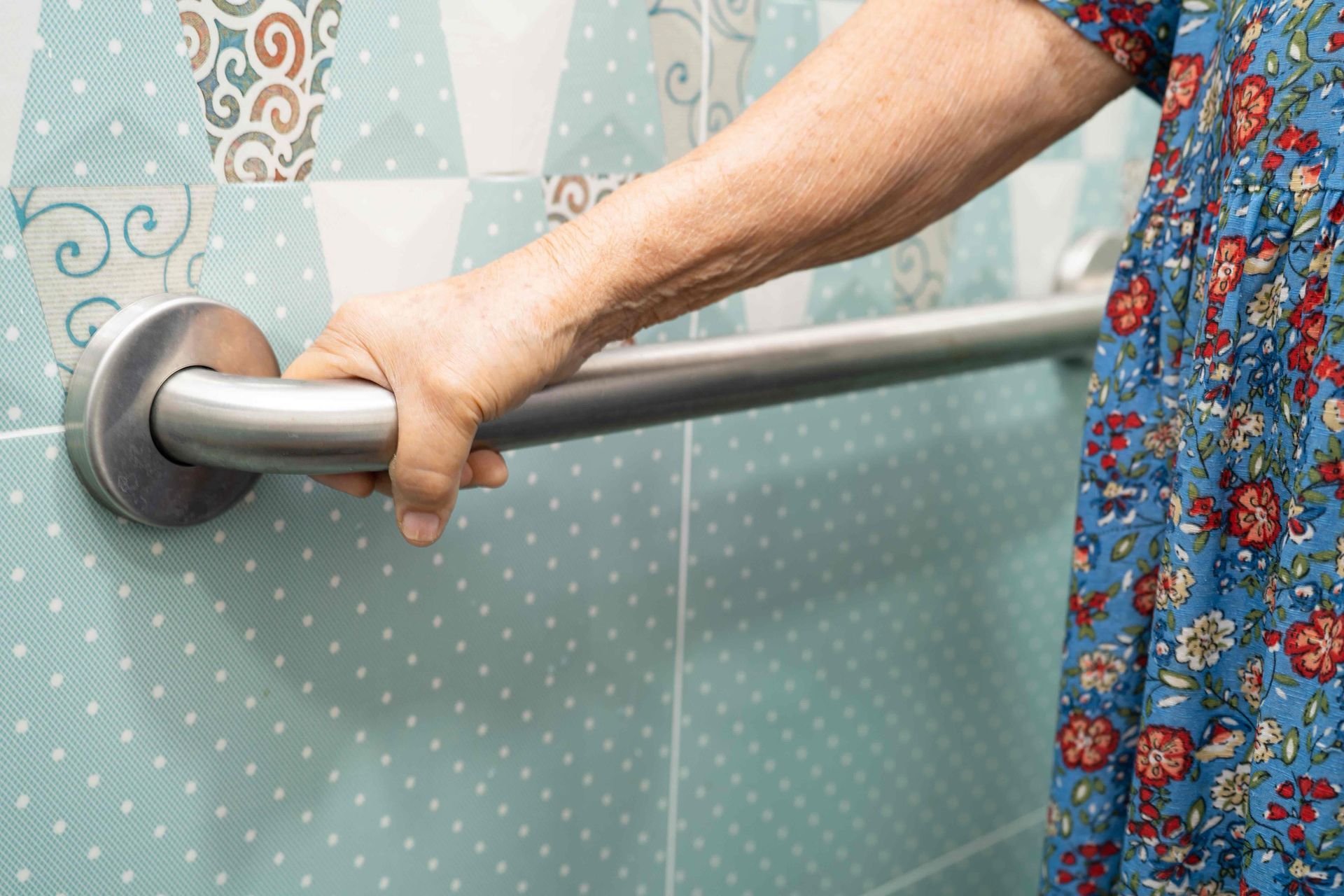
If you use a wheelchair, a true roll-in layout is often the goal. Many homeowners plan around a wider entry (commonly about 36 inches of clear opening) and enough interior space to turn or reposition. A stable shower bench (built-in or fold-down), a handheld shower on a slide bar, and properly installed grab bars can change the whole feel of the room. Grab bars should be anchored into framing or solid blocking, not just screwed into tile.


If a full roll-in shower isn’t possible in your footprint, a tub-to-shower conversion can still be a major safety improvement. A low-threshold pan reduces the step up, and wider shower doors (or no door) help when someone assists with bathing.


Michigan-specific detail that gets missed: moisture and traction, especially in Grand Rapids and West Michigan. Winter coats, wet boots, and humid indoor air can turn bathrooms slick fast. Plan for:

  • A quality exhaust fan and a habit of running it longer after showers.
  • Slip-resistant flooring (inside and outside the shower).
  • A shower floor that drains completely so water doesn’t sit and chill, using mold and mildew-resistant, low-maintenance materials.


What to expect during the remodel (the homeowner version)

  • Day 1: Protect floors, remove the tub, and open walls as needed.
  • Days 2 to 5: Plumbing adjustments, waterproofing, and shower base install. Certain surround systems offer one-day installation and may finish faster than tile.
  • Finish work: Fixtures, glass, grab bars, paint, and final sealing, then a water test and walkthrough.
  • Real-life planning: Ask where you’ll bathe during the work, and whether the toilet stays usable each day.


Getting bids you can compare (without getting technical)

When you’re collecting proposals, ask each contractor the same questions so you’re not comparing apples to oranges. Suggest requesting a free design consultation to visualize options:

  • Waterproofing method: What system will be used, and how are corners and seams handled?
  • Plumbing scope: Are you moving the drain, valve, or venting, or staying in place?
  • Shower floor plan: How will they control water with a curbless entry, and what slip-resistant surface is included?
  • Glass details: Framed vs semi-frameless vs frameless, thickness, coating options, and how it affects cleaning.
  • Warranty: Separate the product warranty from the labor warranty, and get both in writing.

Frequently Asked Questions About Walk-In Showers and Tub-to-Shower Conversions in Michigan


What’s the difference between a walk-in shower and a tub-to-shower conversion?

A tub-to-shower conversion removes the bathtub and installs a shower in the same space, which often keeps plumbing close to where it is. A walk-in shower can mean several layouts, including custom shower options from an alcove shower with a door to a more open modern design with a wider entry and, in some cases, a curbless base for roll-in access. The more you change the room layout and floor structure, the more the cost and build details tend to increase.


How much does a tub-to-shower conversion cost in Michigan in 2026?

The blog’s planning range for Michigan areas like Grand Rapids, Lansing, and Troy, Michigan, in 2026 is about $8,000 to $25,000+, depending on your access goals and how much work happens behind the walls. Lower-cost projects often use a standard shower base and wall surrounds with minimal plumbing changes. Higher-cost projects commonly include curbless entries, drain relocation, plumbing upgrades, floor rebuilds, premium waterproofing, glass shower doors, and upgraded fixtures.


What features matter most for accessibility and aging in place?

The most helpful features are the ones that reduce fall risk and support safe transfers. That often includes a low-threshold or curbless entry (when possible), a wider opening, stable built-in seating or a fold-down shower seat, a handheld shower on a slide bar, and properly installed grab bars. Additional grab bars should be anchored into framing or solid blocking, not just screwed into tile.


Why does a curbless (roll-in) shower cost more?

Curbless showers need careful floor prep, including the shower pan, a proven waterproofing system with low maintenance, grout-free antimicrobial shower walls or acrylic walls, and the correct slope to the drain so water does not escape the shower area. Many homes also need drain changes to make the entry truly flush, which the article notes can add significant cost. These details protect the home from leaks and help the shower work well day to day.


What should Michigan homeowners plan for around water control and slippery floors?

Michigan bathrooms often deal with wet boots, winter gear, and higher indoor humidity, which can make floors slick. The blog recommends a quality exhaust fan and running it longer after showers, slip-resistant flooring inside and outside the shower, and making sure the shower floor drains fully so water does not sit. These steps improve safety and help reduce mold and mildew issues.


Conclusion

For homeowners, a Walk-in shower can be the right long-term move when accessibility is the priority, especially for a wheelchair user or a household planning lasting home modifications. A well-built tub-to-shower conversion can be the smarter choice when you want safer access without widening the project scope.


In 2026, the best outcomes come from being clear about your mobility needs, picking a layout that controls water, and insisting on strong waterproofing and traction choices. If your plan needs to support a disability today and still work for the next chapter, it’s worth building it that way from the start.

Steven Speckman, the owner of Speck Designs in front of mountains.

ABOUT THE AUTHOR

The copywriting team at Speck Designs creates the content for the Lakeshore Barrier Free blog. Speck Designs is a creative agency based in Hastings, Michigan that loves helping local businesses grow with clear messaging and strong marketing. Every post is built using SEO and content best practices, with topics people are actively searching for, so readers get helpful answers they can use right away.

TALK TO THE EXPERTS OF LAKESHORE BARRIER FREE TODAY!

We believe that everyone should have access to every area of their home! We work directly with you to make sure that every grab bar, bathroom sink, kitchen countertop, patient lift, and more is at the perfect location for you and your loved ones. Call us at (616) 477-2685 or email us at Info@LakeshoreBarrierFree.com

Share this blog

Brown door with white trim set in a white wall, flanked by black lanterns.
By LBF Team February 4, 2026
Tips and costs for zero-step entry retrofit options for disability home modifications: curb cut, porch rebuild, or graded walkway for wheelchair access, veterans, and more.
Aluminum ramp with handrails leading to a building's entrance. Outdoor setting with greenery.
By LBF Team January 16, 2026
West Michigan wheelchair ramp cost guide for 2026, see price ranges for rentals and permanent ramps, plus what length, materials, and permits add.
Man in a wheelchair working on a laptop at a desk in a living room, smiling.
By LBF Team January 13, 2026
Start your first accessible renovation with 10 practical steps, ramps, wider doors, safer baths, and a plan that limits mess in West Michigan.
Man in wheelchair working on laptop at a desk in a home office.
By LBF Team January 7, 2026
Renovating for Two helps you plan a home that feels normal, with wheelchair access, safer bathrooms, better entries, and ramps in West Michigan.