Design the access plan: get in, move through, and use the key rooms safely (Steps 4 to 8)
Accessibility works like a chain. The entrance, paths, doors, surfaces, and bathroom all have to cooperate. One weak link can cancel the rest.
Step 4: Make the entrance wheelchair-ready with the right ramp and landing
A wheelchair ramp should feel steady and predictable, not like a ski hill. Many homeowners look to ADA-style guidance as a safety baseline, even though private homes aren’t required to follow ADA.
A common rule of thumb is a 1:12 slope (1 inch of rise for every 12 inches of ramp run). BraunAbility explains ramp slope basics in plain language in its guide to
wheelchair ramp slope and ADA compliance.
Plan for these core parts:
- A flat landing at the top and bottom so you can stop, turn, and manage the door.
- Handrails when the ramp is longer or steeper, and whenever balance is a concern.
- Non-slip surface that still works when wet.
- Drainage and snow strategy for Michigan weather, since ice changes everything.
Ramp types usually fall into four buckets:
- Permanent ramps: Built to match the home, often wood or concrete.
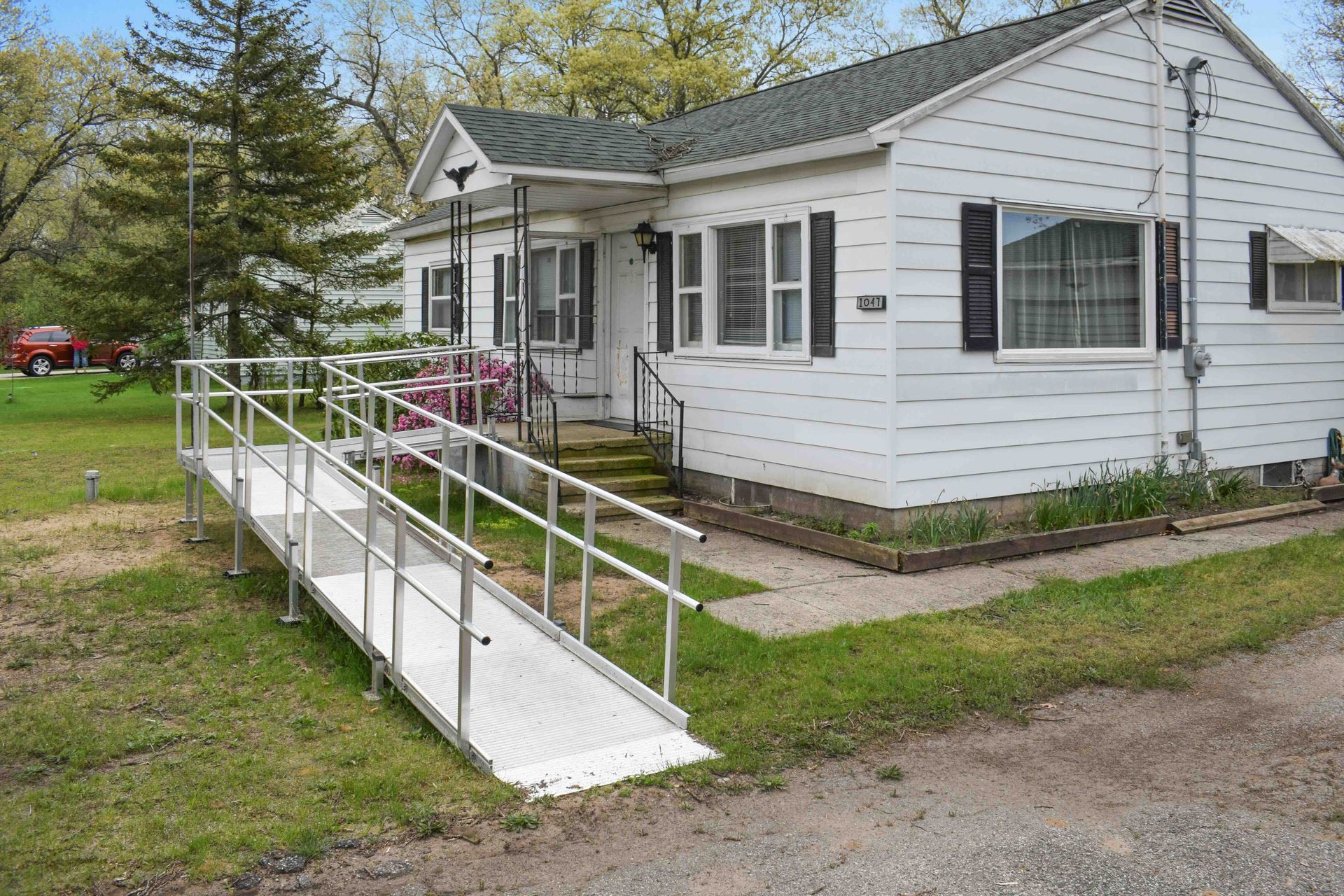
- Modular ramps: Aluminum sections that can be reconfigured.
- Temporary ramps: Short-term solutions, often portable.
- Ramp rentals: Useful when needs may change, or recovery is expected.
Don’t forget the “where does it end?” detail. The top landing must allow door swing clearance and space to turn. A perfect ramp that drops you in front of a door you can’t open is a frustrating finish.
Step 5: Fix tight doorways, hallways, and turning spaces before fancy upgrades
If you can’t reach the bathroom or bedroom, nicer finishes won’t matter.
Many wheelchairs need about
32 inches of clear opening as a minimum, and
36 inches is often easier. “Clear opening” is not the door slab width. It’s the space you actually roll through with the door open.
A quick measuring tip: open the door fully, then measure from the face of the door to the opposite stop. That’s your usable gap.
For more background on what ADA-inspired widths mean and how they’re measured, FDC’s overview of
ADA door width is a helpful reference.
Common fixes, from least invasive to more involved:
Offset hinges: Can add a bit of usable width without reframing.
Door re-hang or swing change: Sometimes a new swing direction solves the pinch point.
Widen doorways: More work, but often the cleanest long-term answer.
Clear the path: Remove furniture, adjust layout, reduce “tight turns” that force backups.
Step 6: Smooth out thresholds and flooring so wheels don’t catch
A small lip can feel like a curb when you’re rolling. Thresholds, thick carpet, and uneven transitions create two risks at once: trips for people walking and wheel catch points for chairs.
Start by identifying:
- Tall exterior thresholds at entries
- Transitions between tile and carpet
- Loose rugs and mats (especially in halls)
- Uneven flooring near bathrooms and kitchens
Solutions often include threshold ramps, consistent flooring, and non-slip finishes in wet areas. If you want to see what a threshold ramp looks like and how it’s used, SafePath’s overview of
rubber threshold ramps gives a clear example, and then
contact us to order your threshold ramp.
In entry areas, plan for water. Slush and wet wheels show up fast in winter, so traction matters as much as smoothness.
Step 7: Bathroom modifications first if safety is a concern
Bathroom modifications are where many falls happen, and they’re where you’re most likely to be alone with hard surfaces. If you only have a budget for one major room change, the bathroom often brings the most safety back.
Focus on function first:
- Grab bars: Real bars, properly anchored, not towel bars.
- Toilet height and transfer space: Comfort-height toilets or a raised seat can reduce strain.
- Clear floor space: Enough room to position the chair and transfer safely.
- Sink access: Space under the sink for knees, and protected pipes to avoid burns.
Layout beats luxury every time. A beautiful vanity doesn’t help if it blocks the turning radius or forces an unsafe transfer angle.
If you want a general guide to placement and sizing concepts, Ranney Blair’s explainer onADA-compliant bathroom grab bars is a solid starting point for questions to ask.
Step 8: Choose the right shower plan, then add the small details that make it usable
Showers are where a project can go from “technically accessible” to truly usable.
Common shower approaches include:
- Roll-in or curbless shower: Best when you need chair access and no threshold.
- Low-threshold shower: Helpful when a full roll-in isn’t needed, but stepping over is unsafe.
- Tub cut: Can reduce step height, but it’s not right for every transfer style.
- Transfer bench setup: A practical option when space or plumbing limits bigger changes.
If you want to compare dimensions and safety elements used in ADA standards (often used as design guidance for homes), the U.S. Access Board’s guide tobathing rooms is a reliable reference.
Then add the details that make the shower work day after day:
- Handheld shower head with a reachable mount
- Non-slip flooring
- Fold-down or freestanding shower seat
- Shelves and controls placed at seated reach height
- Anti-scald valve to reduce burn risk
Also, confirm waterproofing and the drain slope. A shower that drains poorly becomes a maintenance problem fast, and standing water increases slip risk.