Renovating for Two: Designing an Accessible Home That Still Feels Like Home

LBF Team • January 7, 2026

When renovating a handicap accessible home where one person needs wheelchair access and the other just wants the house to feel normal, renovations can feel personal fast. Nobody wants their living room to look like a clinic, and nobody should have to struggle just to get to the bathroom.


That’s the heart of renovating for two. The goal isn’t a “space for people with disabilities” and an “able-bodied space.” It’s one home that supports daily life, recovery, and long-term aging in place, using universal design choices that work quietly in the background.


This blog post covers a simple planning method, the highest impact upgrades (entry, bathroom, kitchen), and ways to control cost and disruption. If you’re in West Michigan, winter weather and local permits also matter, especially for ramps and exterior work.


Key Takeaways

  • Renovating for two means building one home that supports both partners, using universal design so accessibility features blend in and feel normal.


  • Start by mapping daily routes (bed to bathroom, bathroom to kitchen, entry to car), then fix the pinch points first (tight doors, thresholds, rugs, sharp turns).


  • Use clear planning targets to avoid rework: 32-inch clear door openings, 36-inch clear paths when possible, and a 60-inch turning circle in key rooms.


  • Prioritize upgrades in this order for the biggest daily impact: step-free entry, bathroom safety (curbless shower or low threshold, grab bars, lighting), then kitchen function (drawers, multi-height prep zones, easy hardware).


  • For ramps, a common safety standard is a 1:12 slope, and in West Michigan, you should plan for winter traction, drainage, lighting, and permits for many exterior builds.

Are you looking for an expert resource in accessible spaces, special modifications for persons with mobility challenges, wheelchair accessibility, and more? Contact Lakeshore Barrier Free today.

Start With Shared Needs: A Simple Plan for a Home That Works for Everyone

Before any demo starts, get clear on what’s hard right now for those with limited mobility, and what might change in the next 6 to 24 months. A good plan for accessible home modifications prevents expensive rework and reduces stress at home.


Start with a quick, copy-friendly checklist:


  • Door openings: A 32-inch clear opening is a common minimum target; widen doorways where needed for easier passage.
  • Hall and path width: 36 inches clear when possible.
  • Turning space: aim for a 60-inch turning circle in key rooms; pocket doors help save space in tight turning areas.
  • Step-free route: at least one no-step path from the parking to the main living area.
  • Lighting: brighter, glare-controlled light in halls, stairs, and bathrooms.
  • Reach ranges: daily items stored between shoulder and hip height.


Try the least-invasive fixes first (hardware swaps, layout tweaks, threshold removal). Then move to bigger remodels only where they’ll solve daily friction.


When you can, involve an OT, PT, or case manager. They’re excellent at spotting transfer risks and “almost works” layouts. Clear timelines help too, because living through a remodel is hard on a couple, even when the work is positive.


Map the “daily routes” that cause the most friction

Think of your home like a set of short trips. If those trips are smooth, the whole day feels lighter.


Walk through a typical day and note pinch points:

  • Bed to the bathroom
  • Bathroom to the kitchen and dining room
  • Kitchen to the laundry room
  • Front door to the car
  • Living room to the bedroom (especially at night)


Common problems are easy to miss until you’re looking for them: narrow doors, thick rugs, tall thresholds, and tight turns in bathrooms. Even a small lip at a doorway can stop a chair or trip someone carrying laundry.


Simple target numbers help you make decisions:

  • A 32-inch clear door opening often means a 34-inch or 36-inch door slab, depending on hinges and trim.
  • 60 inches is a useful goal for wheelchair turns in bathrooms and kitchens.
  • A clear route matters more than a giant room, so protect the pathways first.


Balance independence and togetherness with flexible zones

A mixed-mobility household needs two things at once: privacy and connection.


Flexible zones solve that. A guest room can double as a recovery space. A dining table can double as a wheelchair-friendly work surface. A main-floor living area can hold a quiet corner for rest without shutting someone away.


Universal design can look warm and intentional. Think calm colors, medium wood tones, and storage that doesn’t require crouching or reaching overhead. Also plan “parking” for mobility equipment (a spot for a walker, chair, or transfer bench) so it’s close, but not blocking walkways.


High Impact Upgrades That Help Both Disabled and Able-Bodied Residents

If you only have energy (or budget) for a few changes, focus on access in this order: entry, bathroom, kitchen, then comfort upgrades. These are the spaces that decide whether someone can live at home safely.


Step-free entry and wheelchair ramps that look like part of the home

The entry is priority one, because it affects everything else: medical appointments, work, groceries, and just getting fresh air.


Options usually fall into three categories:

  • Portable ramps for a quick bridge over a step.
  • Temporary modular ramps (often rented) for recovery or short-term needs.
  • Permanent ramps built to match the home and handle year-round use.


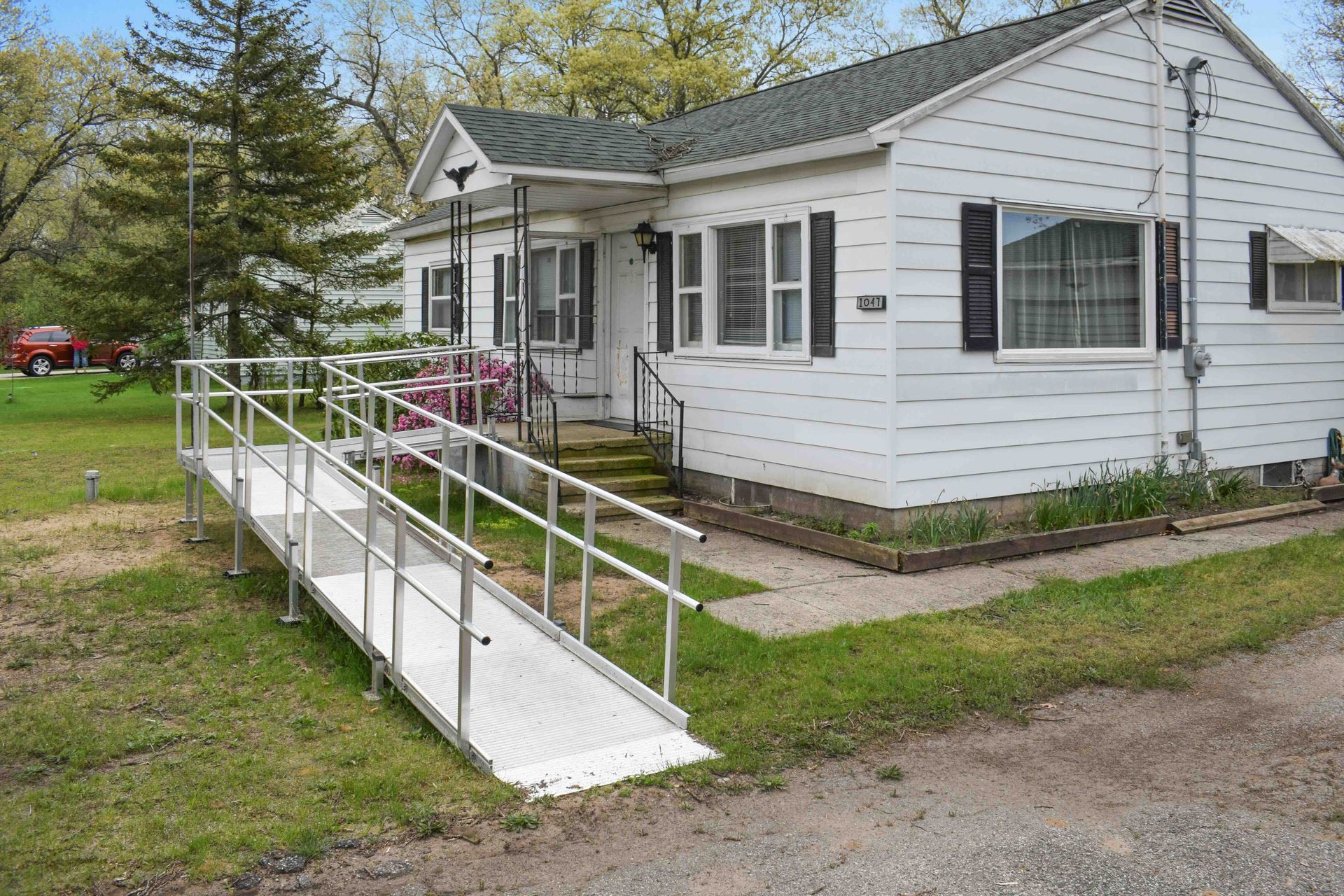
For safe ramp design, the common standard is a 1:12 slope (1 inch of rise for every 12 inches of ramp length). That length adds up fast, which is why landings and turns matter as much as the ramp run itself. Planning for handrails, solid footing, and non-slip surfaces is also key, especially in West Michigan winters.


You can find more information about permanent and temporary ramps and wheelchair ramp rentals on our website. For an estimated cost, visit How Much Does a Wheelchair Ramp Cost?.


Curb appeal tips that work:

  • Match ramp colors to trim or decking.
  • Use simple rail lines that echo porch rails.
  • Add path lighting so nobody is guessing in the dark.
  • Plan snow storage and drainage, so meltwater doesn’t refreeze on the ramp.


Bathrooms: curbless showers, safe transfers, and storage that stays within reach

Bathrooms are where couples feel the pressure most, with key bathroom modifications, because privacy and safety collide in a small space.


A few upgrades help both residents right away:

  • Curbless or low-threshold showers (including roll-in shower layouts when needed; alternatives like a walk-in tub or roll-in bathtub work well for some households).
  • Grab bars anchored into reinforced walls (many styles look like modern towel bars now).
  • A shower bench and a handheld shower head for safer bathing.
  • Raised-height toilets for easier use.
  • Non-slip flooring and better lighting for fewer falls.


A curbless shower can also be a comfort upgrade for an able-bodied partner, because it’s easier to clean and feels spa-like when paired with good tile, warm lighting, and a simple niche for bottles. For a clear overview of what goes into a curbless build, The Spruce’s curbless shower guide explains the basics.


Avoid common mistakes that create daily hassles:

  • Glass panels that block the best transfer path
  • Shower doors that pinch the opening
  • Bathroom doors that swing into tight turning areas
  • Vanity cabinets that remove knee clearance when seated access is needed


Kitchens that work seated or standing without slowing anyone down

A shared kitchen shouldn’t feel like one person is “borrowing” the space. The best accessible kitchen features help everyone move faster, with less strain.


Practical, shared-use ideas:

  • Multi-height work zones featuring lower countertops (a seated prep spot, a standard-height spot).
  • Drawers instead of deep base cabinets, so items come to you.
  • Pull-out cutting boards or a pull-out shelf for a seated prep surface.
  • D-shaped pulls and lever-style hardware for easier grip.
  • Touchless faucets to reduce twisting and hand fatigue.


Keep clear floor space so two people can pass without one backing out. Smooth, low-pile floors reduce rolling effort and also reduce fatigue for people on their feet.


For more kitchen-specific ideas, these wheelchair-accessible kitchen tips provide good examples of storage and layout choices.


Comfort, Safety, and Style Without the “Hospital Look”

In January 2026, a lot of home design is moving toward warmth and wellness: medium wood tones, spa-style bathrooms, cozy textures, and smart home technology that doesn’t scream for attention. That’s good news for accessibility, because the best safety upgrades can be beautiful.


(If you’re curious how mainstream design is trending, this summary of the NKBA’s 2026 bath trends is useful: Space, comfort and control drive 2026 bathroom design trends.)


Small changes with big payoff: floors, doors, lighting, and hardware

These updates are usually quick, and they help every day:

  • Remove or reduce thresholds where possible.
  • Swap knobs for lever-style door handles and smart locks.
  • Add rocker switches and better-placed outlets.
  • Use layered lighting (ceiling plus vanity plus night lighting).
  • Fix trip hazards (loose rugs, curled edges, cords in walk paths).
  • Choose firm, smooth, slip-resistant floors that handle wheel traffic.


Design choices that make accessibility feel intentional

A few style choices make access features blend in for people with disabilities:

  • Match grab bars to faucet finishes (brushed nickel, matte black, bronze).
  • Position closet rods at reachable heights.
  • Incorporate stair lifts or residential elevators for multi-level accessibility.
  • Use matte finishes that hide fingerprints and scuffs.
  • Add contrast at edges (countertops, stair nosings) for easier depth cues.
  • Use sound control where you can (soft-close hardware, rugs that don’t slip, simple wall treatments) to keep the home calm during recovery.

Budget, Permits, and Picking the Right Contractor in West Michigan

Good planning protects your budget for an accessible home renovation. So does knowing when permits and inspections apply, since many West Michigan towns require permits for ramps with a significant rise and for structural, plumbing, or electrical changes. Compliance with the Fair Housing Act ensures your rights to accessible design standards.


What renovations tend to cost in 2026, and how to phase the project

Costs vary by layout, snow and drainage needs, and how far you move plumbing. As a planning range for 2026, many households budget around:

  • Ramps: $1,000 to $5,000 (portable and rentals can be less)
  • Bathrooms: $15,000 to $40,000
  • Kitchens: $20,000 to $60,000
  • Entrances and doors: $10,000 to $30,000


Explore disability grants to help manage these renovation costs.


A phasing plan keeps life stable:

  1. Entry first (zero-step entry, ramp, rails, lighting)
  2. Bathroom next (shower access and safe transfers)
  3. Kitchen third (storage and work zones)
  4. Comfort upgrades last (floors, doors, lighting, hardware)


If you’re saving for a full remodel, low-cost home modifications can bridge the gap, like a short ramp, a few grab bars, and a handheld shower setup.


Questions to ask before you sign a contract

Use these questions to avoid surprises:

  • Have you built a handicap accessible home for wheelchair users before, including turning space and transfers?
  • Do you offer least-invasive options before recommending a full gut?
  • What measurements do you use for clear widths, landings, and ramp slope following ADA guidelines?
  • What’s your timeline, and how will you communicate day to day?
  • Who handles permits and inspections in my town?
  • What warranty do you provide, and what support exists after the project?


If therapists or case managers are involved, ask if your contractor will coordinate with them. It saves time and improves outcomes.


Frequently Asked Questions About Accessible Group Home Design


What does “renovating for two” mean in a mixed-mobility home?

It means creating one shared home that works for both people, not a “disabled area” and a separate “normal area.” The goal is daily comfort and safety with features that stay in the background, like better lighting, wider clear openings, and step-free routes. Universal design helps the home feel warm and intentional, not clinical.


What measurements should we use when planning wheelchair access at home?

Use a few clear targets to guide layout decisions and prevent costly changes later. Many plans aim for a 32-inch clear door opening, 36 inches of clear path width when possible, and a 60-inch turning circle in tight rooms like bathrooms and kitchens. Pocket doors can also help when turning space is limited.


Which upgrades matter most if we can only do a few?

Focus on access in this order: entry, bathroom, kitchen, then comfort upgrades. A step-free route into the home affects everything, from appointments to groceries. Bathrooms often pose safety risks, so upgrades like curbless showers, reinforced grab bars, non-slip flooring, and better lighting usually give fast relief.


What is the standard ramp slope for a wheelchair ramp?

A common standard is a 1:12 slope, meaning 1 inch of rise for every 12 inches of ramp length. That can make ramps longer than expected, so landings and turns matter as much as the straight run. Handrails, solid footing, and non-slip surfaces are also important for day-to-day safety.


How can an accessible remodel avoid the “hospital look”?

Choose features that match the home’s style and finishes. Grab bars now come in modern designs, and you can match them to faucet finishes like brushed nickel or matte black. Warm lighting, calm colors, medium wood tones, and storage placed at reachable heights make accessibility feel planned, not added on after the fact.


Conclusion

Designing for two means building a home with accessible home modifications that offer better flow, safer routines, and less daily friction for everyone, including people with disabilities. Start by mapping the daily routes, then focus on the entry and bathroom, because those changes bring fast relief.


If you’re in West Michigan and need a plan you can live with, the next step is a home accessibility consult. Ask about ramp rentals versus permanent ramp options, and get a clear scope that matches your mobility needs, your timeline, and your budget.

Steven Speckman, the owner of Speck Designs in front of mountains.

ABOUT THE AUTHOR

The copywriting team at Speck Designs creates the content for the Lakeshore Barrier Free blog. Speck Designs is a creative agency based in Hastings, Michigan that loves helping local businesses grow with clear messaging and strong marketing. Every post is built using SEO and content best practices, with topics people are actively searching for, so readers get helpful answers they can use right away.

TALK TO THE EXPERTS OF LAKESHORE BARRIER FREE TODAY!

We believe that everyone should have access to every area of their home! We work directly with you to make sure that every grab bar, bathroom sink, kitchen countertop, patient lift, and more is at the perfect location for you and your loved ones. Call us at (616) 477-2685 or email us at Info@LakeshoreBarrierFree.com

Share this blog

Aluminum ramp with handrails leading to a building's entrance. Outdoor setting with greenery.
By LBF Team January 16, 2026
West Michigan wheelchair ramp cost guide for 2026, see price ranges for rentals and permanent ramps, plus what length, materials, and permits add.
Man in a wheelchair working on a laptop at a desk in a living room, smiling.
By LBF Team January 13, 2026
Start your first accessible renovation with 10 practical steps, ramps, wider doors, safer baths, and a plan that limits mess in West Michigan.
Kitchen renovation: black base cabinets, cream upper cabinets, bare walls, countertop, and window.
By LBF Team December 9, 2025
Explore a team approach to disability and home modifications for veterans, therapists, and wheelchair users that builds safe, well-planned living.
Accessible bathroom with shower and toilet, featuring grab bars and a shower bench.
By LBF Team December 9, 2025
Accessible home design for group homes, with safety features, wheelchair access, and home modifications for disability support, seniors, and veterans.