A Team Approach to Accessible Living: Professional Partnerships in Home Modification

LBF Team • December 9, 2025

Home should feel safe, comfortable, and easy to live in, especially in Grand Rapids Michigan. For people living with a disability, chronic health condition, or who use a wheelchair, the home itself can sometimes create barriers. Narrow doors, steps, tight bathrooms, and hard-to-reach fixtures can turn everyday tasks into exhausting or dangerous challenges that compromise home safety.


Accessible home modifications exist to remove those barriers. The goal is to turn a standard house or group home into accessible living spaces that support dignity, independence, and health. No single person can handle all parts of this work. It takes a coordinated team.


Successful accessibility projects depend on a network of certified professionals who share information and plan together. Home modification experts, healthcare providers, behavioral health professionals, case managers, social workers, insurers, and support staff all play a part. Their partnership is especially important in group homes and supported living settings, where safety and compliance are critical.


Key Takeaways

  • Accessible home modifications turn standard houses and group homes into safer, easier-to-use spaces that support independence, dignity, and long-term health.


  • Effective accessibility projects rely on a coordinated team, including home modification contractors, therapists, nurses, behavioral health staff, case managers, social workers, and insurers.


  • Regular group home inspections protect residents by checking fire safety, accessibility compliance, lift safety, and how the environment supports clinical, behavioral, and sensory needs.


  • Detailed collaboration with professionals such as occupational therapists, nurse case managers, and behavioral health coordinators leads to tailored solutions, not generic features, so each home fits the person’s real abilities and routines.


  • Lakeshore Barrier Free, a veteran-owned contractor serving West Michigan, provides barrier-free design, ramps, lifts, and bathroom remodeling through a structured, 10-step process that minimizes disruption and supports aging in place.

Are you looking for an expert resource in accessible spaces, special modifications for persons with mobility challenges, wheelchair accessibility, and more? Contact Lakeshore Barrier Free today.

Why Accessible Homes and Modifications Matter

An accessible home is designed so people of all ages, sizes, and abilities can use it. This concept is often called universal design. It goes beyond basic code compliance and focuses on spaces that are safe, intuitive, and easy to move through.


Common home modifications include:

  • Widened doorways and hallways
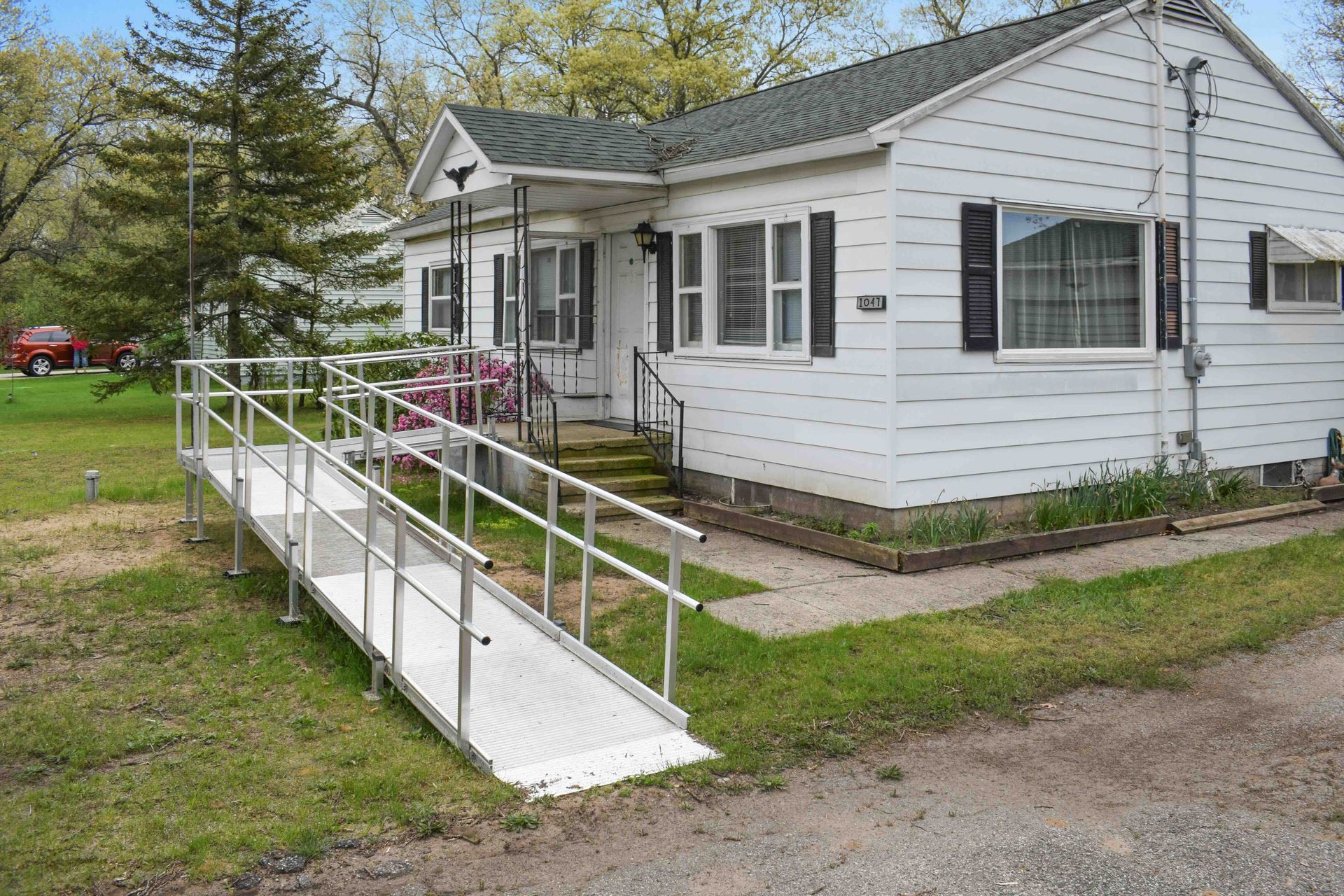
  • Wheelchair Ramps
  • Zero-step entries and level thresholds
  • Accessible Bathroom Remodeling with roll-in or walk-in showers
  • Grab Bars
  • Lowered counters, sinks, and switches
  • Lever-style door handles and faucets
  • Stair Lifts


Some changes are structural, like removing steps or changing the bathroom layout. Others are smaller adjustments, like adding a grab bar in the right spot. For residents facing physical challenges, such as wheelchair use or poor balance, a simple ramp can be the difference between leaving the house or feeling trapped inside. One well-placed grab bar can prevent a fall and a severe injury.


These are not extras or luxury features. They are basic tools that support independence and reduce risk. When a home is built or modified with accessibility in mind, several things happen:

  • Daily tasks become easier and safer for the person living there
  • Caregivers experience less strain and fewer injuries
  • The chance of falls, hospital visits, and long-term facility stays goes down
  • People can stay in their homes longer and age in place comfortably with more confidence


Thoughtful home modifications are especially important for veterans and others who may have mobility changes after injury or illness. As a veteran-owned enterprise, we prioritize these needs. When the home fits the person, not the other way around, quality of life improves for everyone involved.


The Role of Group Home Inspections

Group homes provide care, structure, and support for people who need more than traditional independent living. Residents often rely on the environment itself for home safety and stability. In these settings, systematic inspections are essential.


Regular inspections in group homes do more than confirm that the building meets basic safety codes. They also check compliance with accessibility rules, such as ADA construction and remodeling under the Americans with Disabilities Act (ADA), along with state and local regulations for residential care facilities.


A comprehensive home assessment typically reviews:

  • Fire safety systems, alarms, and evacuation routes
  • Location and function of emergency exits
  • Air quality and ventilation
  • Structural integrity of Patient Lifts and Ceiling Lifts
  • Bathroom and kitchen safety features
  • Lighting, flooring, and trip hazards
  • Clear pathways for wheelchair users and walkers


Inspections also look at how the space supports residents’ clinical, behavioral, and sensory needs. For example, an inspector might confirm that:

  • Sensory-friendly rooms are kept as designed
  • High-risk areas, such as kitchens or workshops, have the right safety barriers
  • Locking systems are appropriate and code-compliant
  • There is adequate space for staff to assist with transfers and care tasks


A strong inspection schedule finds problems before they lead to injuries or disruptions in care. When home modification specialists are part of this process, they can review existing features and decide whether they still match residents’ current needs. They can also recommend residential construction repairs, upgrades, or new accessibility solutions that extend the life of ramps, lifts, and other accessibility equipment.


Accessible Home Modifications as the Foundation

Effective barrier-free modifications begin with collaboration. A contractor can put a grab bar on a wall, but only a coordinated team can decide:

  • The best height and angle for that grab bar
  • The right type of bar and mounting hardware
  • How it should match the person’s strength, balance, and therapy goals


The home modification expert provides design and construction services as the central point for planning and building the changes. Their job is to translate what the care team knows about the client into a clear, practical construction plan.


That work depends on strong partnerships with the professionals who know the client best. When therapists, nurses, behavioral health staff, case managers, social workers, and insurers share information, every ramp, widened doorway, lift, or bathroom change can be tailored to real needs. The result is tailored solutions, a home that fits the person’s abilities, routines, and long-term plans, instead of a generic set of features.


Key Professional Partners in Home Modification

Accessible design in Grand Rapids, Michigan is most effective when home modification contractors work side by side with other certified professionals. Each partner brings a different type of expertise, and together they create a complete picture of what the client needs to live as independently and safely as possible.


Below are some of the most important partners in a successful, client-centered modification process.


Behavioral Health Coordinators

Behavioral health coordinators focus on mental and emotional wellness, especially for people with traumatic brain injury in supported living or group homes. They understand how the physical space can affect mood, behavior, and stress.


A coordinator might notice that a client becomes anxious in tight hallways or small rooms. They may also see that certain lighting, noise levels, or visual clutter trigger agitation or withdrawal.


When modification experts work with behavioral health coordinators, they can design changes that support both accessibility and emotional stability, such as:

  • More open-concept layouts with wider, clearer paths
  • Softer, adjustable lighting and reduced glare
  • Calming color schemes or sensory features
  • Quiet rooms or calm corners with fewer distractions


This joint planning helps create accessible living spaces that are also supportive for mental health. The goal is to lower the risk of crises, reduce behavioral incidents, and support long-term stability for the person living there.


Behavioral Health Managers

Behavioral health managers oversee care programs and staff within residential settings. They track treatment goals, safety plans, and program rules. When a home modification is proposed, they help connect the physical changes to the overall treatment plan.


In practice, a behavioral health manager might guide changes such as:

  • Adjusting room layouts to support safe supervision and privacy
  • Choosing durable, non-toxic, and non-breakable materials
  • Planning sightlines that let staff monitor without intruding
  • Reducing ligature risks or sharp edges in high-risk environments


Their input keeps the construction plan aligned with clinical goals. They help prevent well-meaning modifications from creating new hazards or conflicting with behavior support strategies. In this way, the manager acts as a bridge between treatment plans and construction work.


Case Managers

Case managers often act as the main point of contact for the client and their family. They coordinate services, manage paperwork, and explain options. They also tend to understand the client’s day-to-day needs, strengths, limits, and financial situation better than anyone else.


When home modification experts work with case managers, they can:

  • Prioritize which home changes are most urgent and most helpful
  • Match modification plans to the client’s funding sources and benefits
  • Plan for both short-term needs and long-term independence
  • Reduce confusion and stress for the client and family


Case managers share key information about the client’s support network, living situation, and long-term goals. Their approval often signals that the planned modifications match the care plan and make sense in real life, not just on paper.


Insurance Adjusters

Cost is often one of the biggest obstacles to getting needed home modifications. Insurance adjusters review claims, decide what is medically necessary, and approve or deny funding.


A strong working relationship between modification experts and insurance adjusters helps speed up the process. Contractors can support adjusters by providing:

  • Clear, detailed scope-of-work documents
  • Accurate cost estimates
  • Photos and descriptions of current barriers
  • Medical letters or therapy reports that explain the need for each feature


This level of detail makes it easier for adjusters to approve essential items like wheelchair ramps, vertical platform lifts, walk-in bathtubs, bathroom modifications, and patient lifts. That means clients wait less time for work to start and gain safe access to their home sooner.


This approach is especially important for people with disabilities from catastrophic injuries, such as veterans returning home after injury, stroke survivors, or those recovering from major surgery. Fast, well-documented claims can lead directly to safer and more stable living conditions.


Nurse Case Managers

Nurse case managers bring a clinical perspective that focuses on medical safety and daily care, especially for clients with spinal cord injury. They understand wound care, medication routines, transfer methods, and how equipment is used in the home.


Their assessments guide important details, such as:

  • How much space is needed around a bed for lifts and nursing tasks
  • Where to reinforce ceilings or walls for a ceiling lift or grab bars
  • How to design bathrooms for both hygiene and infection control
  • What clearances are needed for oxygen equipment, IV poles, or dialysis machines


Home modification experts work with nurse case managers to turn these clinical needs into safe, durable construction solutions. This collaboration helps make sure the home supports both everyday living and the specialized care that may happen there. As a result, nurses can do their work more safely and clients can receive higher-quality care in their own homes.


Occupational Therapists

Occupational therapists (OTs) are central to many home modification projects. Their primary goal is to help people perform everyday activities as independently as possible, such as bathing, dressing, cooking, and moving around the home.


OTs often:

  • Visit the home to watch how the person moves and completes tasks
  • Identify barriers, such as narrow doors, high thresholds, or hard-to-reach controls
  • Recommend precise measurements, such as grab bar height or doorway width
  • Suggest specific products or layouts that match the person’s abilities


A home modification specialist then uses this guidance to design and build the changes. This might include:

  • Accessible kitchen remodeling, such as adjusting counter and sink heights for a wheelchair user
  • Installing handicap showers with grab bars and non-slip flooring
  • Adding a ramp that matches the user’s arm strength and chair type
  • Creating clear pathways for safe mobility with walkers or wheelchairs


When OTs and contractors communicate clearly, the end result is a home that supports therapy goals and long-term independence, instead of a space that still forces workarounds and strain.


Resident Aides

Resident aides, often called direct support professionals, spend the most time with clients on a daily basis. They help with bathing, dressing, meal prep, transfers, and mobility. Because they use the space constantly, they see what works and what does not.


Their feedback is especially helpful after modifications are completed. Resident aides can point out:

  • Whether a ramp feels too steep when pushing a wheelchair
  • If a transfer bench is awkward or hard to use
  • If light switches, controls, or call buttons are easy to reach
  • Where tight corners create risk during a busy day


When home modification experts listen to this feedback and make adjustments, the home becomes safer not only for the person living there but also for caregivers. This reduces the risk of back injuries, falls, and burnout among staff, and supports more consistent, long-term care.


Social Workers

Social workers look at the whole picture of a person’s life. They focus on safety, housing stability, access to services, and community connection. They often are the first to notice when a living space is no longer safe or practical.


Social workers may:

  • Identify that a client needs a wheelchair ramp to keep attending work or appointments
  • Help families apply for funding, grants, or community programs
  • Arrange temporary housing during major construction projects
  • Support conversations within families about care needs and roles


When social workers and home modification experts work together, they can create plans that match the client’s physical needs and their broader life situation. This might mean choosing cost-effective materials, phasing projects over time, or planning for future changes in mobility. The goal is a home that supports safety, family life, and quality of life.



Frequently Asked Questions About Accessible Group Home Design


How do accessible home modifications help people live more independently?

Accessible home modifications remove physical barriers that make daily tasks hard or unsafe. Changes like wider doors, zero-step entries, ramps, roll-in showers, grab bars, and lowered counters let people move more freely and complete basic activities with less effort. This reduces the risk of falls and hospital visits, eases strain on caregivers, and helps people stay in their homes longer instead of moving to higher levels of care.


Why is a team approach important for successful home modification projects?

No single professional sees the whole picture of a person’s needs. Home modification contractors understand design and construction, while therapists, nurses, behavioral health staff, case managers, and social workers understand medical, emotional, and daily living needs. When these partners share information, they can decide on the right ramps, lifts, bathroom layouts, and safety features, and match them to the person’s strength, behavior patterns, therapy goals, and funding. This teamwork results in safer, more practical homes that truly support independence.


What role do group home inspections play in accessibility and safety?

Group home inspections review both basic safety and accessibility features. Inspectors look at fire alarms, evacuation routes, emergency exits, air quality, and flooring, as well as patient lifts, bathroom and kitchen safety, and clear paths for wheelchairs and walkers. They also check how the space supports clinical and behavioral needs, such as sensory-friendly rooms, safe kitchen access, and proper locking systems. Regular inspections catch problems early and give home modification experts a chance to recommend repairs, upgrades, or new solutions before someone gets hurt or care is disrupted.


Which professionals are most involved in planning home accessibility modifications?

Several key partners work together during a home modification project. Occupational therapists assess how the person moves and performs tasks, then suggest layouts, grab bar placements, and product choices. Nurse case managers focus on medical and nursing needs, such as transfer space, ceiling lift supports, and equipment clearances. Behavioral health coordinators and managers look at how the environment affects mood, behavior, and safety plans. Case managers, social workers, and insurance adjusters help align the project with funding, program rules, and long-term goals, and keep the process realistic for the client and family.


How does Lakeshore Barrier Free support accessible living in West Michigan?

Lakeshore Barrier Free is a veteran-owned home accessibility contractor that serves Grand Rapids, Big Rapids, Holland, Muskegon, and surrounding areas. The company specializes in environmental access consulting and design, permanent and temporary wheelchair ramps, patient lifts, and accessible bathroom and kitchen remodeling. Their 10-step process covers assessment, design, planning, construction, and post-project support, with an emphasis on clear communication and cost-effective, least-invasive methods. This structured approach helps homeowners, group homes, and professional partners create barrier-free living spaces that support aging in place and long-term independence.


Working Together for Safer, More Independent Living

Accessible living is not just about wheelchair ramps, wider doors, or grab bars. It is about people, their routines, and their goals. For someone with a disability, for a veteran returning home, or for anyone using a wheelchair or other mobility device, the right home modifications can restore independence, control, comfort, and peace of mind.


When home modification specialists partner with behavioral health teams, nurses, occupational therapists, case managers, social workers, and insurance adjusters, every part of the plan becomes more precise. The result is a home that improves quality of life by:

  • Matching the person’s current and future needs
  • Reducing risk of injury and hospital visits
  • Supporting caregivers and staff
  • Helping the person stay in their chosen home and community


A collaborative approach turns accessibility solutions into more than a building project. It becomes a shared effort to support safety, independence, and dignity, one home at a time.

Photo of Marius Carlos, Jr.

ABOUT THE AUTHOR

Marius Carlos, Jr. is an SEO strategist and digital marketing professional. He is a freelance copywriter, and his interests in digital marketing include large language models, content, SEO, and social media marketing.


Along with Marius, the Speck Designs’ in-house content team finalizes the blogs. They blend hands-on experience with current standards for SEO, UX, and readability to deliver practical guidance you can trust. Every piece is researched, edited, and written to a high standard.

TALK TO THE EXPERTS OF LAKESHORE BARRIER FREE TODAY!

We believe that everyone should have access to every area of their home! We work directly with you to make sure that every grab bar, bathroom sink, kitchen countertop, patient lift, and more is at the perfect location for you and your loved ones. Call us at (616) 477-2685 or email us at Info@LakeshoreBarrierFree.com

Share this blog

Accessible bathroom with shower and toilet, featuring grab bars and a shower bench.
By LBF Team December 9, 2025
Accessible home design for group homes, with safety features, wheelchair access, and home modifications for disability support, seniors, and veterans.
Man in wheelchair in kitchen, reaching for items in a lower cabinet.
By LBF Team November 19, 2025
Get Kitchen Independence with 10 smart ways to create a wheelchair accessible kitchen, from clear paths and roll-under sinks to easy storage and safer cooking.
Person's hands working on blueprints with a pencil, alongside a keyboard, calculator, hardhat, and model houses.
By LBF Team November 12, 2025
Barrier-free living with reimagined doorways, storage, and controls. Michigan veterans lead home modifications for disability and wheelchair access.
Older Black man in wheelchair using smartphone at desk with laptop and plants in home.
By LBF Team October 1, 2025
An accessible space helps people move with ease and feel better overall. Simple changes in the home can make everyday life safer and more enjoyable.