7 Common Accessibility Violations Found in Group Home Inspections

LBF Team • March 11, 2026

Group homes play an incredibly important role in providing safe, supportive living environments for individuals with disabilities. These are homes where residents rely on accessible design to move safely, maintain independence, and live with dignity.


With that immense responsibility, group homes are subject to regular group home inspections conducted by state agencies, licensing bodies, and home inspectors. These inspections evaluate whether a property meets accessibility compliance standards tied to federal ADA regulations and state-specific group home licensing requirements.


When accessibility issues are found, the consequences can be serious. Failed inspections may lead to fines, required corrective action plans, delayed licensing approvals, or even legal exposure. 


More importantly, violations can put residents, caregivers, and families at risk.


Fortunately, many of the most common ADA violations in group homes are predictable and preventable. With proper planning, education, and professional assessments, group home operators can resolve issues before inspection day and protect both residents and their business.


Below are seven accessibility violations inspectors frequently cite during group home inspections, and what to do about them.

Key Takeaways

  • Group home inspections often cite missing or poorly installed grab bars, especially in bathrooms, because they must meet height, spacing, and secure anchoring requirements.


  • Accessible bathrooms can fail inspections when there is not enough wheelchair turning space, clear floor space, or proper fixture setup (toilet, sink, shower, and handles).


  • At least one barrier-free entry is required, wheelchair ramps must follow ADA compliance slope guidance (commonly 1:12), and they also need safe landings, handrails, and edge protection.


  • Doorways and halls often fail when clear widths are too narrow, pathways are blocked, or door hardware and opening force do not support persons with disabilities who have limited grip or mobility.


  • Common safety citations also include missing stair handrails, trip hazards from flooring transitions, rugs, or a lack of non-slip flooring, and unsafe or non-compliant patient lifts.

Are you looking for an expert resource in accessible spaces, special modifications for persons with mobility challenges, wheelchair accessibility, and more? Contact Lakeshore Barrier Free today.

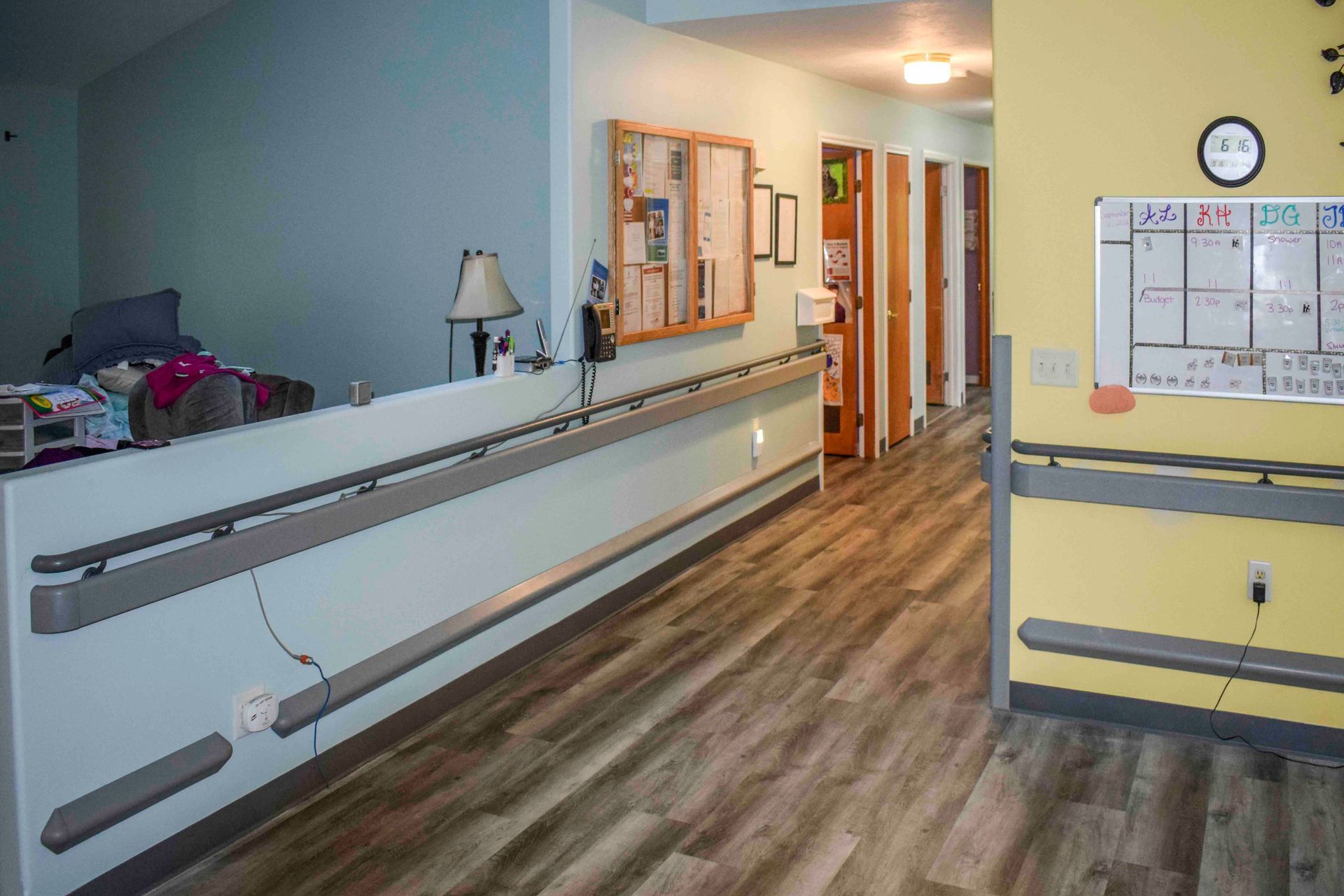
Hallway with gray handrails, light blue and yellow walls, wooden doors, and wooden-look flooring.

1. Missing or Improperly Installed Grab Bars

Grab bars are an excellent way to enhance patient safety, both physically and mentally. As shared by Penn York Medical, grab bars can provide an invaluable sense of security, especially to people anxious about slipping or falling.


Despite this, grab bars are one of the most frequently cited violations during group home inspections, especially in bathrooms and shared living areas.


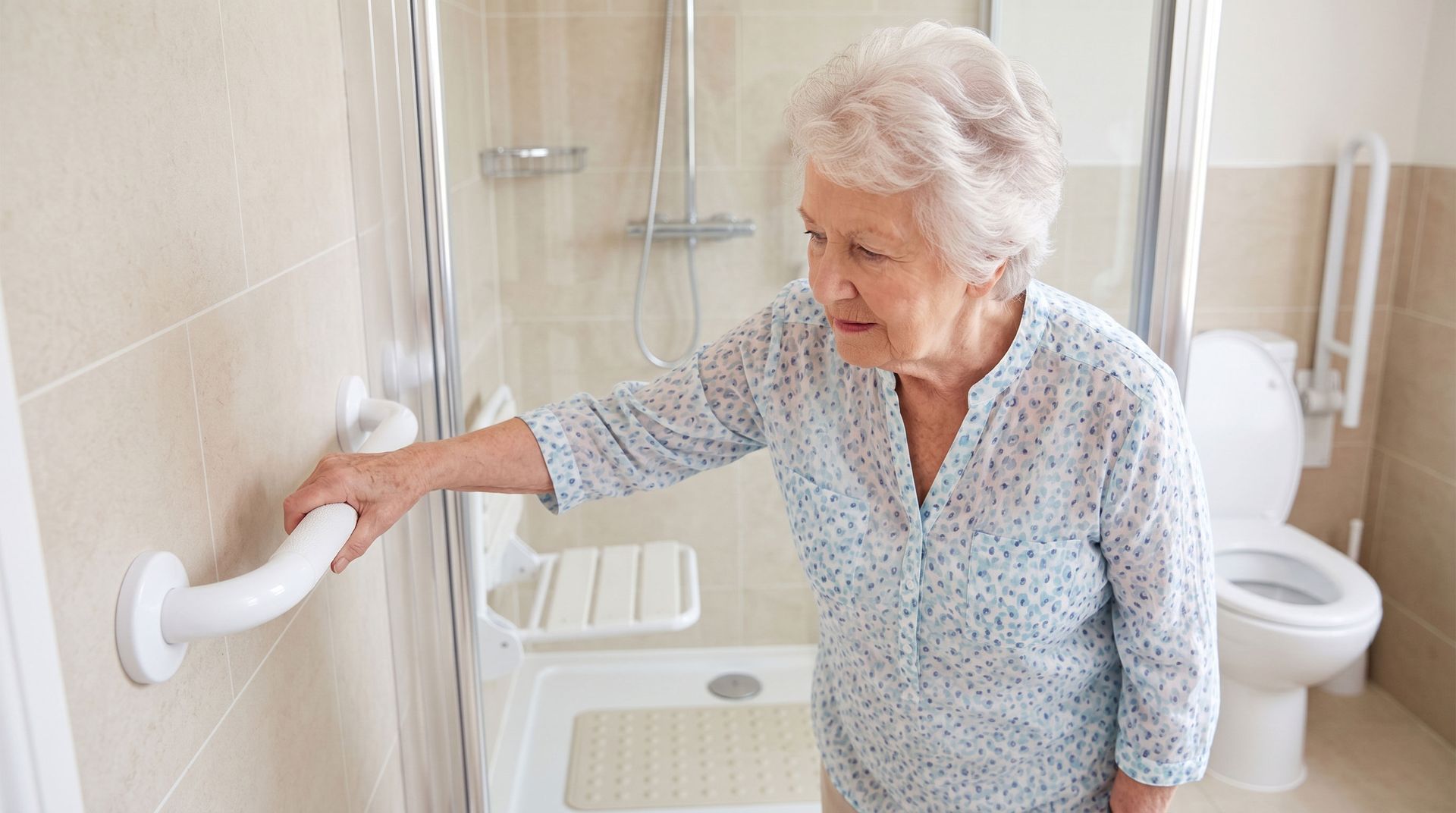
Accessibility regulations require grab bars near toilets, inside showers, and along transfer points where residents need stability. Inspectors often find grab bars missing entirely, installed at incorrect heights, or mounted without proper structural support.


A common issue is grab bars anchored only into drywall instead of studs or reinforced backing. Even if the bar looks secure, it may fail weight-bearing requirements during inspection. Grab bars must support substantial loads to be considered compliant.


What to Do About It

Professional installation helps make sure grab bar requirements meet ADA spacing, height, and anchoring standards. It’s best to work with established professionals to reduce the inspection risk and improve daily safety for residents with mobility challenges.


2. Inaccessible Bathroom Layouts

Bathroom layout problems are another frequent source of failed inspections. A bathroom may appear functional, but still fail accessibility requirements.


Inspectors check for adequate maneuvering space for wheelchairs and walkers, including a proper turning radius. Common violations include doorways that are too narrow, toilets positioned too close to walls, and insufficient clear floor space around sinks and fixtures.


Roll-in showers or walk-in tubs are often required in group homes serving residents with limited mobility. Toilet height, sink clearance, and lever-style faucet handles also factor into compliance.


What to Do About It

A professional accessibility assessment can identify layout issues early, allowing operators to plan bathroom modifications for group homes that are rooted in expertise before inspection deadlines approach.


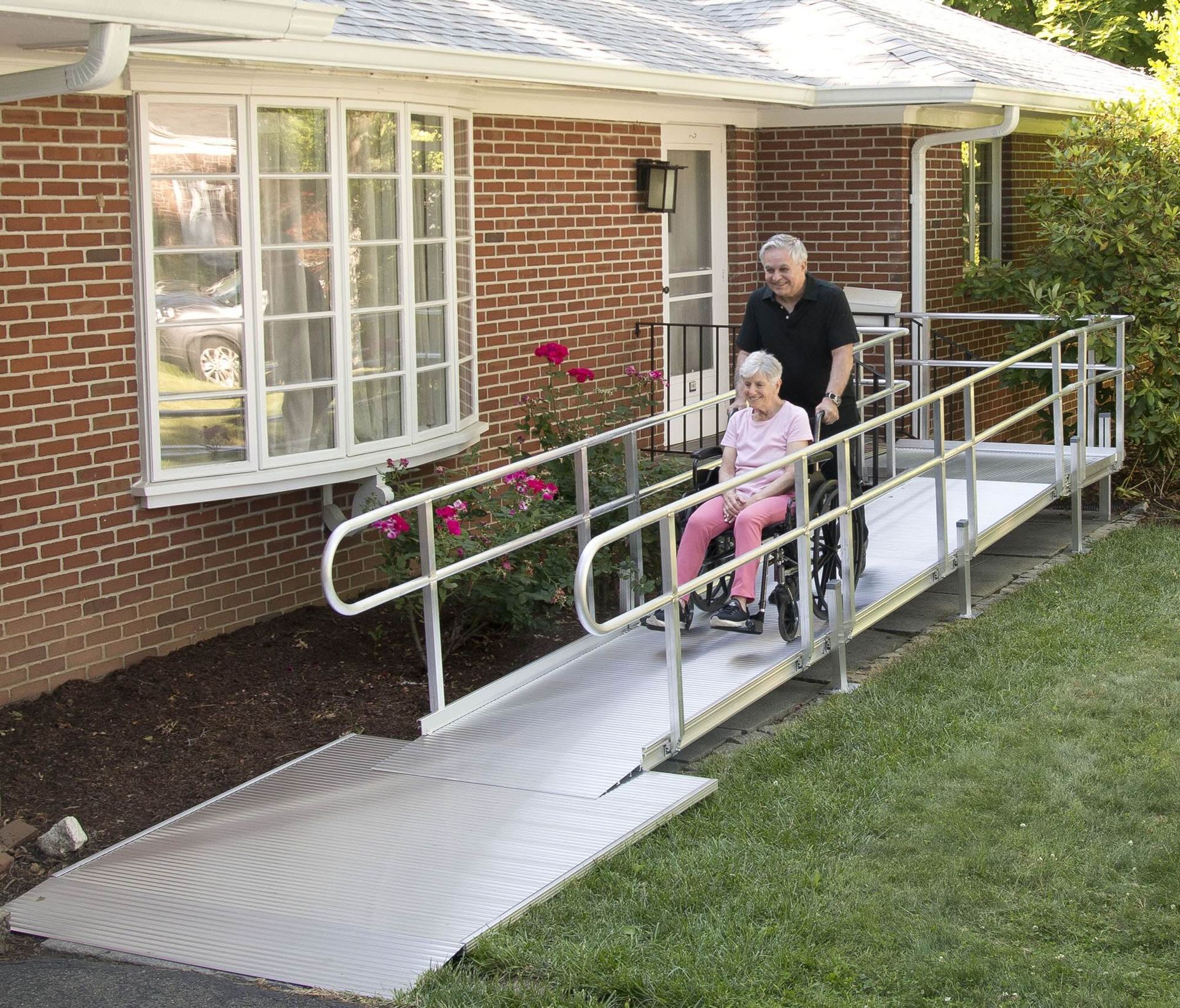
3. Lack of Accessible Entryways and Ramps

Every group home must provide at least one accessible entryway that allows residents to enter and exit the property safely.


Inspectors regularly cite homes with steps and no ramp alternatives, ramps that are too steep, or missing handrails. ADA ramp slope standards require a 1:12 slope, along with level landing platforms at the top and bottom.


Wheelchair ramps must also include edge protection to prevent wheelchairs from rolling off. Both permanent and modular ramp systems can meet compliance standards when installed correctly.


Entryway accessibility is often one of the first things an inspector evaluates during a home inspection, which makes it a high-priority area for compliance.


What to Do About It

Evaluate all exterior entry points to confirm that at least one provides a fully accessible route into the home. Check ramp slope, handrail placement, landing size, and edge protection to verify they meet ADA requirements, and address any deterioration or stability issues promptly.


If an existing ramp does not meet standards, a professionally installed permanent or modular ramp can resolve violations and support safe, reliable access before inspection.


4. Non-Compliant Doorways and Hallways

Interior accessibility compliance issues are easy to overlook, but they appear frequently in inspection reports.


Doorways must generally provide at least 32 inches of clear width to accommodate wheelchairs and walkers. Hallways should allow smooth passage without tight turns, furniture obstructions, or narrowing transitions.


Inspectors also evaluate door hardware. Lever handles are required in many cases, as round knobs can be difficult for residents with limited grip strength. Doors that are too heavy to open or lack sufficient pull-side clearance may also be cited.


What to Do About It

Measure doorway clear widths and hallway paths throughout the property to confirm they meet accessibility standards. Remove furniture or storage items that restrict passage and address tight turns that limit mobility aid use. 


Replace round door knobs with lever-style handles and adjust or replace doors that require excessive force or lack adequate clearance to reduce inspection findings and improve daily accessibility.


5. Inadequate or Missing Handrails on Stairs

Stairways are a major safety concern in group homes, especially for residents with balance or mobility limitations. After all, over one million patients are treated annually in the emergency room for stair-related injuries.


As such, handrails must be installed on both sides of staircases, remain continuous, and extend beyond the top and bottom steps. Inspectors often flag loose handrails, mounted at improper heights, or missing entirely.


Non-compliant ADA stair handrails increase fall risk and place strain on caregivers who may need to assist residents during transfers. On the other hand, proper installation helps protect residents while supporting inspection compliance.


What to Do About It

Inspect all stairways to confirm handrails are installed on both sides, securely anchored, and continuous from the top to the bottom of the stairs. Verify handrail height, extensions, and grip profiles align with accessibility requirements, and address any looseness or gaps immediately.


If existing handrails don’t meet today’s handrail installation standards, replacing them before an inspection helps reduce fall risk and demonstrates proactive compliance.


6. Flooring Hazards and Trip Risks

Flooring is one of the most commonly overlooked accessibility issues during group home inspections.


Inspectors look for slip-resistant flooring that is free of trip hazards such as loose rugs, uneven surfaces, or raised thresholds. Transitions between flooring materials must be smooth and level.


Highly polished or glossy floors may be cited due to slip risk, especially in bathrooms and kitchens. Replacing problem areas with non-slip vinyl, textured tile, or low-pile carpet can help resolve violations.


Flooring updates also reduce caregiver injury risk and improve long-term durability across the property.


What to Do About It

Conduct a walkthrough of the property with an inspection-focused lens, paying close attention to flooring transitions, thresholds, and high-traffic areas. Remove loose rugs, repair uneven surfaces, and replace raised thresholds with low-profile or beveled options that allow smooth movement for mobility aids.


Where flooring replacement is needed, choose slip-resistant materials designed for accessibility and long-term wear to reduce inspection risk and ongoing maintenance issues.


7. Missing or Faulty Patient Lift Accommodations

Group homes serving residents with significant mobility limitations may be required to provide patient lift systems.


Inspectors evaluate whether lifts are properly installed, meet weight capacity ratings, and provide sufficient ceiling clearance. Portable lifts must be well-maintained and stored safely, while ceiling lifts require professional installation.


Using damaged or non-compliant lift equipment increases injury risk for residents and staff and can result in serious inspection findings.


What to Do About It

Start by reviewing the mobility needs of current residents and confirming whether lift systems are required under applicable regulations. Verify that all existing lifts are in good working condition, meet manufacturer weight ratings, and are appropriate for safe patient transfers in the space where they are used.


If ceiling lifts are installed or planned, confirm ceiling structure, clearance, and mounting meet safety standards, and remove any damaged or outdated equipment from service immediately to avoid inspection citations.


How to Prepare for a Group Home Accessibility Inspection

Preparation is one of the most effective ways to avoid inspection issues and achieve accessibility excellence.


All group home operators should conduct a self-assessment before any scheduled inspection, using a checklist based on ADA guidelines and state licensing regulations. Known issues should be addressed proactively rather than waiting for an inspector’s report in the future.


Another way to uncover hidden violations and create a clear plan is to schedule a professional accessibility consultation. Lakeshore Barrier Free conducts both group home inspections and accessibility assessments throughout Michigan, helping operators and real estate professionals address all manner of potential violations.


Frequently Asked Questions About Group Home Accessibility Violations and Inspections


What are the most common accessibility violations in group home inspections?

Inspectors often cite grab bars that are missing or installed incorrectly, bathrooms with poor wheelchair clearance, and entryways without a compliant ramp. In addition, narrow doorways, blocked hallways, missing stair handrails, and flooring trip hazards show up often. Homes serving residents with major mobility needs may also face citations for faulty or non-compliant patient lift setups. These violations matter because they can lead to discrimination claims against persons with disabilities and failures to provide reasonable accommodations in group homes.


What makes grab bars fail an inspection in a group home?

Grab bars often fail when they are missing, placed at the wrong height, or mounted without a solid backing. A common problem is anchoring into drywall instead of studs or reinforced blocking. Even if a grab bar looks secure, it can fail if it does not meet weight-bearing expectations.


What bathroom issues cause group homes to fail accessibility compliance?

Bathrooms can fail when there is not enough room for a wheelchair or walker to move and turn, especially for residents with developmental disabilities or as Medicaid beneficiaries. Inspectors also flag narrow doorways, poor placement of the toilet near walls, and limited clear space around sinks and fixtures. Depending on resident needs, roll-in showers or walk-in tubs, proper toilet height, sink clearance, and lever-style faucet handles may also affect compliance.


What ADA ramp requirements are most likely to be checked during an inspection?

Inspectors commonly check that at least one entrance provides an accessible route and that the ramp slope aligns with ADA guidance (often referenced as 1:12). They also look for level landings at the top and bottom, stable handrails, and edge protection that helps prevent roll-off. Condition matters too, so loose rails, rot, or shifting ramp sections can lead to citations.


How can a group home prepare for an accessibility inspection?

Start with a self-assessment using a checklist based on ADA guidance, building codes, your state licensing rules, and standards from HUD and the Department of Justice. Then fix known issues before the inspection date, including civil rights and reporting requirements, to avoid discrimination under legal protections. Also, measure key clearance points (door widths, hall paths, turning space) and address safety items like rugs, thresholds, and handrail stability to reduce risks of personal injury lawsuits. Note that local governments use zoning ordinances, land use policies, and separation requirements to regulate sober living homes or family care homes in single-family residential districts. For a clearer plan, schedule a professional accessibility assessment so you can prioritize repairs and document progress.


Schedule an Assessment With Our Home Inspectors Today

At its core, passing a group home inspection is about protecting residents, supporting caregivers, and maintaining a licensed, inspection-ready property. When accessibility issues are addressed early, group homes can avoid citations, reduce risk, and create safer living environments for individuals with disabilities.


At Lakeshore Barrier Free, we work with group home operators, home inspectors, and community organizations across Michigan to identify accessibility concerns, resolve violations, and prepare properties for inspection. 


From grab bars and ramps to bathroom modifications and patient lift systems, our company provides practical resources and solutions backed by experience in accessibility compliance and ethics.


If your group home is preparing for an inspection or if you want a clear plan to address potential issues, contact Lakeshore Barrier Free today to schedule a professional accessibility assessment. Our knowledgeable team is ready to help you keep your property aligned with today’s accessibility standards.

Steven Speckman, the owner of Speck Designs in front of mountains.

ABOUT THE AUTHOR

The copywriting team at Speck Designs creates the content for the Lakeshore Barrier Free blog. Speck Designs is a creative agency based in Hastings, Michigan that loves helping local businesses grow with clear messaging and strong marketing. Every post is built using SEO and content best practices, with topics people are actively searching for, so readers get helpful answers they can use right away.

TALK TO THE EXPERTS OF LAKESHORE BARRIER FREE TODAY!

We believe that everyone should have access to every area of their home! We work directly with you to make sure that every grab bar, bathroom sink, kitchen countertop, patient lift, and more is at the perfect location for you and your loved ones. Call us at (616) 477-2685 or email us at Info@LakeshoreBarrierFree.com

Share this blog

Accessible bathroom with gray tile, shower bench, grab bars, toilet, and shower curtain.
By LBF Team March 4, 2026
Michigan grab bar placement guide with inch measurements for toilets, tubs, and showers, plus stud and blocking tips so bars support safe transfers.
Modern bathroom with a glass shower, wooden vanity, toilet, and towel rack.
By LBF Team February 11, 2026
Michigan 2026 tub to shower conversion vs walk-in shower costs, layouts, and what to expect for disability, wheelchair access, veterans, and home modifications.
Brown door with white trim set in a white wall, flanked by black lanterns.
By LBF Team February 4, 2026
Tips and costs for zero-step entry retrofit options for disability home modifications: curb cut, porch rebuild, or graded walkway for wheelchair access, veterans, and more.
Aluminum ramp with handrails leading to a building's entrance. Outdoor setting with greenery.
By LBF Team January 16, 2026
West Michigan wheelchair ramp cost guide for 2026, see price ranges for rentals and permanent ramps, plus what length, materials, and permits add.