Supporting Emotional and Social Health
Physical comfort is key, but time alone or limited social activity can affect any person’s spirit, especially for people with disabilities facing limited mobility. Make sure the home setup encourages staying in touch with friends and family. A hobby area, such as a desk with crafts or a reading nook with good light, can boost engagement and enjoyment.
Main living areas should include accessible space for the wheelchair next to the sofa or dining table so the person can easily join group conversations and meals. Easy access to video calls, social media, or group activities outside the home helps reduce loneliness.
Technology for Greater Independence
Modern devices and smart home technology help many people with limited mobility, including wheelchair users, keep control of daily life. Accessible tools like voice-activated helpers, smart plugs, and switches allow for quick adjustments to lights, heat, or appliances without getting up. Mobility aids such as adaptive computer gear (including special keyboards, mice, or eye-tracking) support communication and hobbies.
Planning Meals and Staying Hydrated
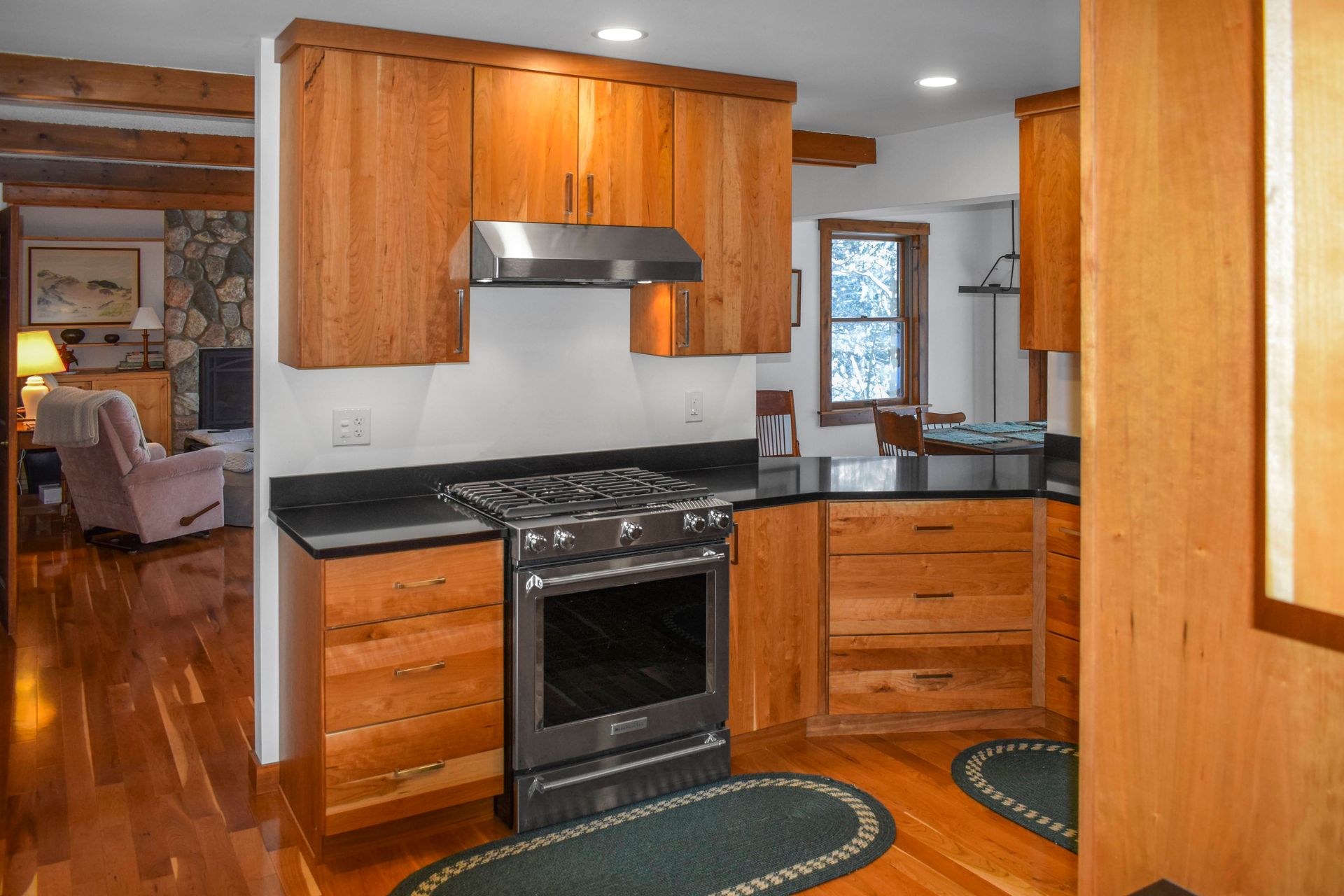
Nutrition matters for everyone, especially for people with disabilities, but for those using wheelchairs, it can prevent issues like skin problems or weight gain. Small changes, like meals with pre-sliced ingredients or meal delivery services, make food preparation easier in accessible kitchens. Special kitchen tools—like utensils with easy grips or stable cutting boards—offer more control.
Hydration is sometimes overlooked. Keeping water handy in bottles with straws helps prevent problems like infection or kidney stones.
Managing Healthcare at Home
Coordinating medical care becomes easier with a good routine. Pill organizers and reminder apps are very helpful. Continuing therapy at home keeps the individual strong, flexible, and supports mobility. Physical therapists design home routines for wheelchair users that aren’t too hard to follow and still get results, while occupational therapists suggest new ways to perform daily tasks using adapted equipment, often as part of broader home modifications for disabled people.
Conclusion
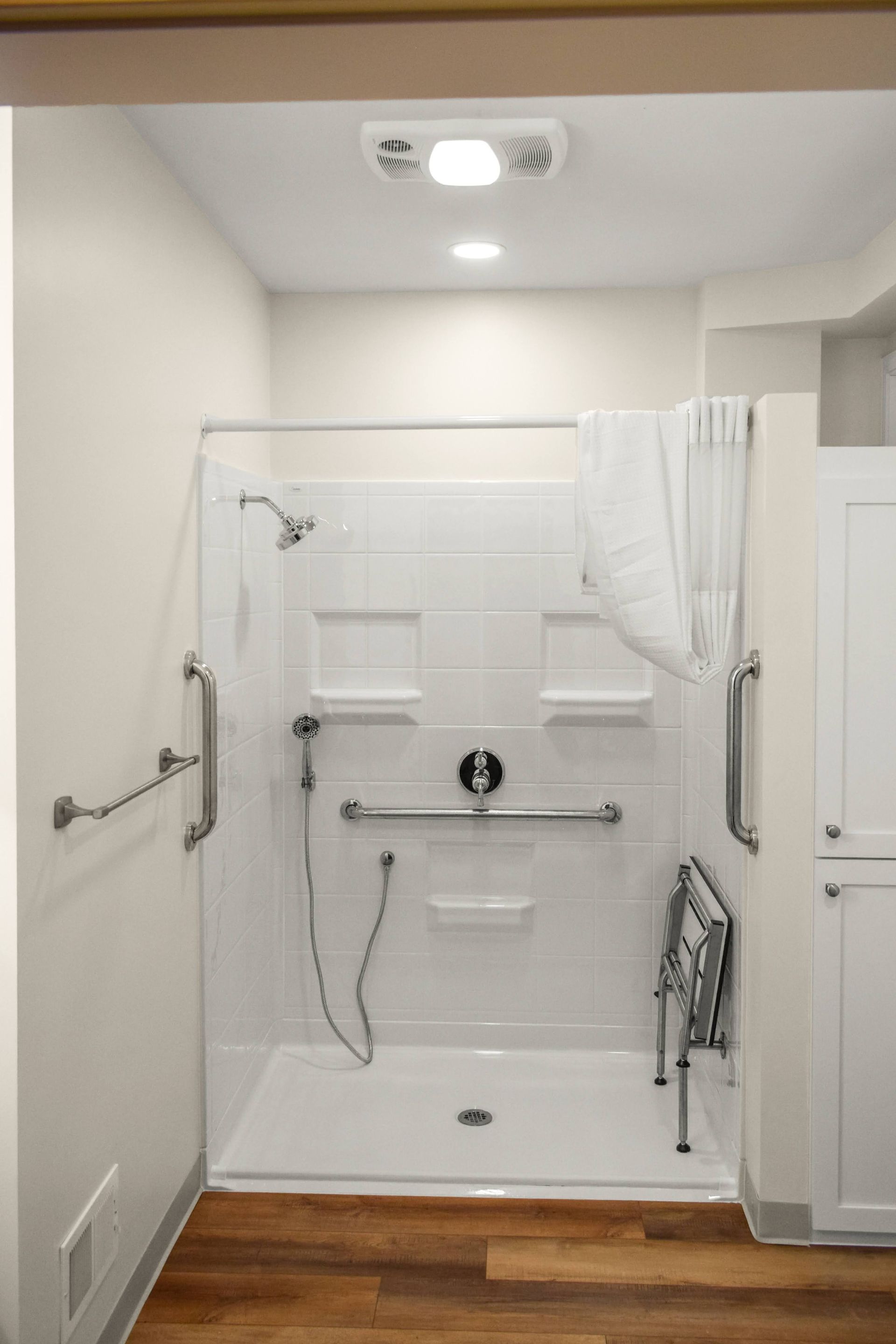
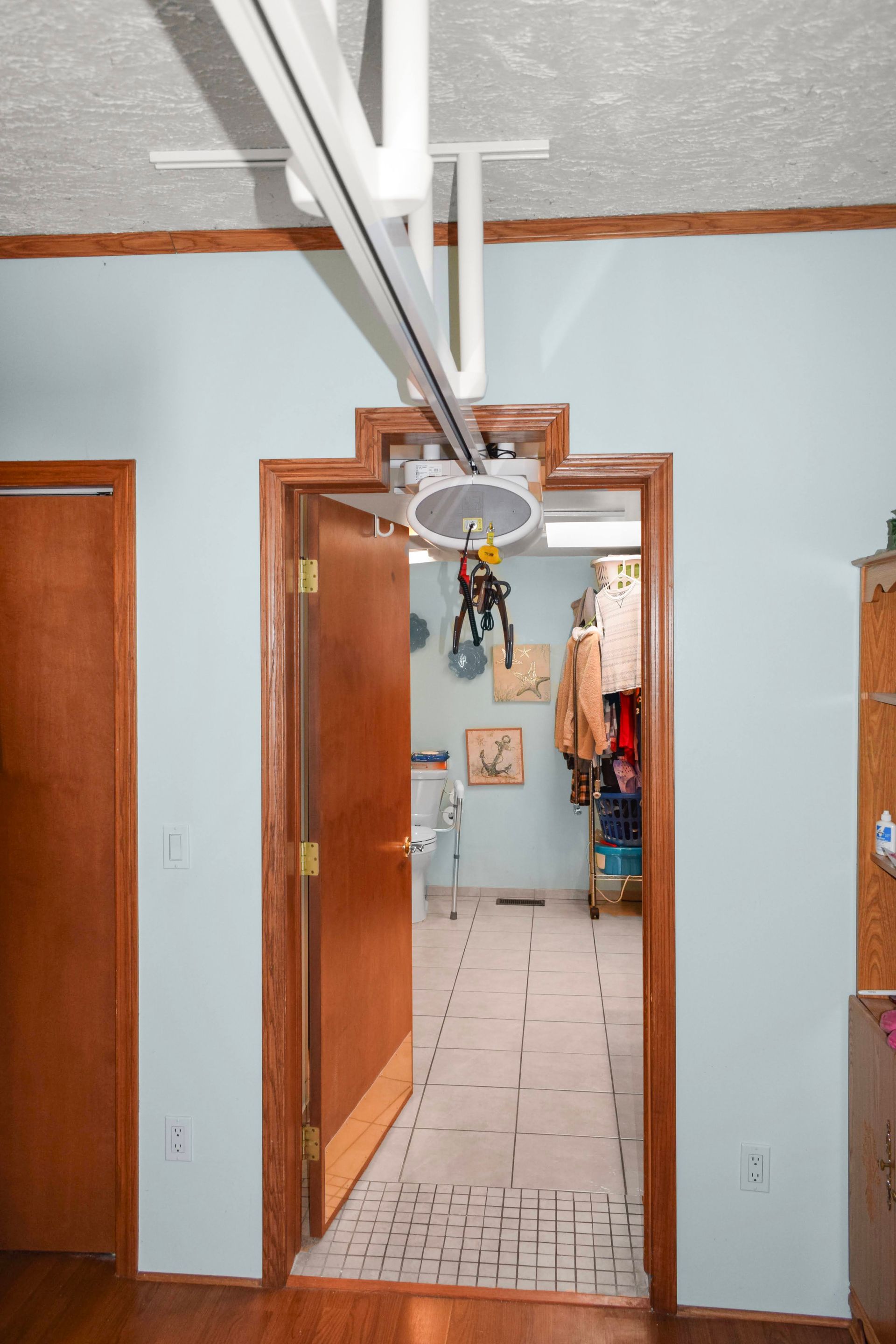
Home life for wheelchair users and people with disabilities improves when the environment allows for both independence and easy social interaction, enhancing mobility and overall well-being. Upgrades such as wheelchair accessible home modifications for wheelchair users and home modifications for disabled people—including accessible layouts, ramps, patient lifts, and smart technology—all build a stronger sense of autonomy and comfort in an accessible living space. Attention to daily routines, social connections, and accessible features, with a focus on home accessibility, means each person has the chance to thrive in a setting that supports their needs.
For families focused on accessibility at home, expert guidance is available. Lakeshore Barrier Free specializes in
barrier-free design and remodeling in West Michigan, helping homeowners adapt spaces to meet current and future needs. Our service-first approach includes assessments, ADA-informed design recommendations, custom ramps, roll-in showers, lifts, and full accessibility upgrades.
Client stories highlight peace of mind, careful workmanship, and respectful communication throughout projects. By combining deep knowledge of accessibility with proven remodeling experience, Lakeshore Barrier Free helps clients create homes that feel safe, comfortable, and truly independent.